
Why Crowded Vegetable Beds Struggle More Than You Think
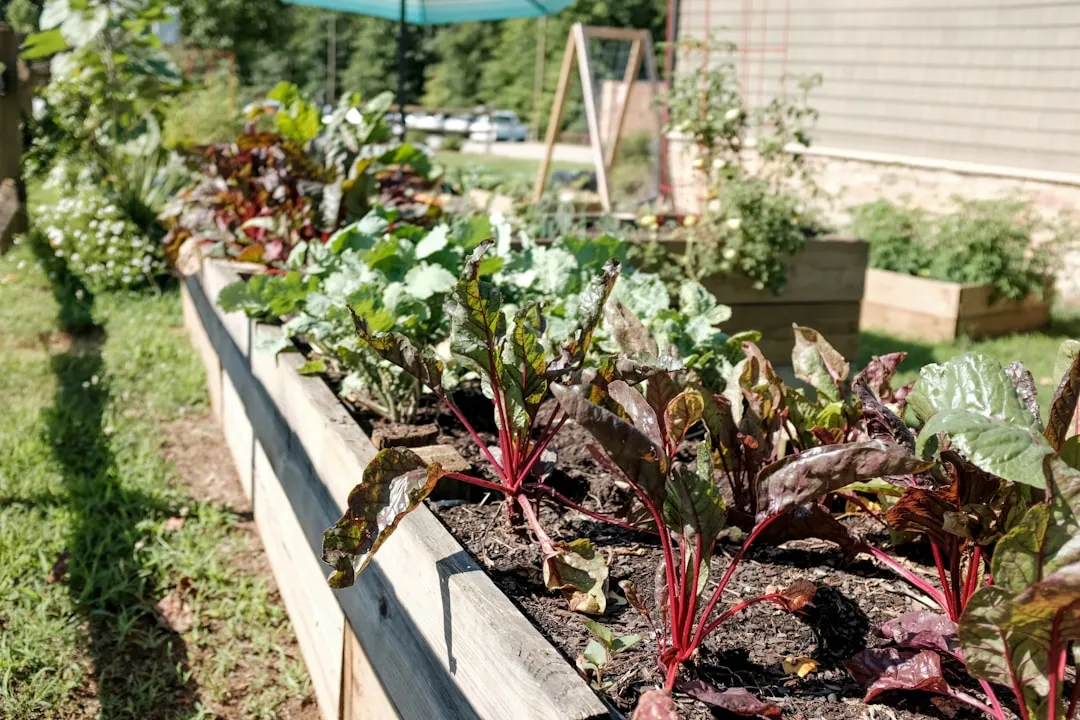
Every vegetable draws nitrogen, phosphorus, potassium, and water from a defined volume of soil, and when two root systems overlap too soon, both plants end up drawing from a smaller shared pool instead of two separate ones. Proper vegetable garden spacing directly impacts your harvest yields, with adequate distance preventing competition for nutrients, water, and sunlight while reducing disease pressure. The effect compounds over a season, since early competition tends to stunt root development permanently rather than something plants simply grow out of later. Extension trials and market gardeners alike keep landing on the same conclusion: spacing is not a cosmetic choice, it is a nutrient management decision.
Tomatoes and Peppers: Two Heavy Feeders Fighting for the Same Nitrogen
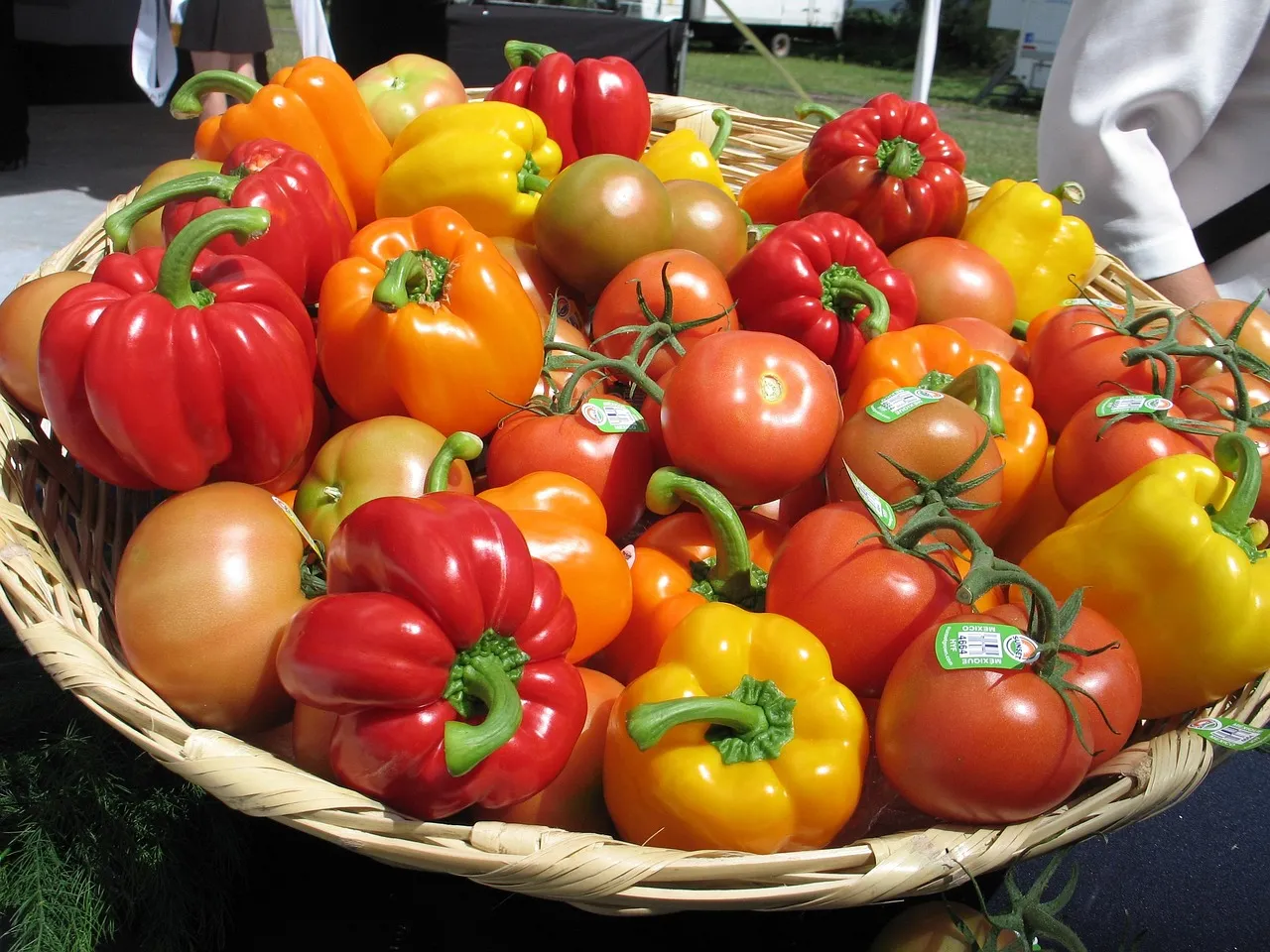
Tomatoes and peppers are both nitrogen hungry crops, and when they are set too close, the competition shows up directly in fruit size rather than leaf growth. A greenhouse study on tomato spacing found that wider plant spacing had a positive effect on fruit weight due to less competition for water, nutrients, and light as well as maximum photosynthetic area, allowing plants to build up more sugars in the fruit itself. A separate field trial in Ethiopia reported that high unmarketable fruit yield was recorded from closer spacing, largely due to higher inter and intrarow competition for resources such as light, water, and nutrients. Extension guidance generally puts tomatoes at two to three feet apart and peppers at eighteen to twenty four inches, and squeezing that gap tighter rarely pays off in the long run.
Corn’s Root Zone: What Happens When Rows Get Too Narrow
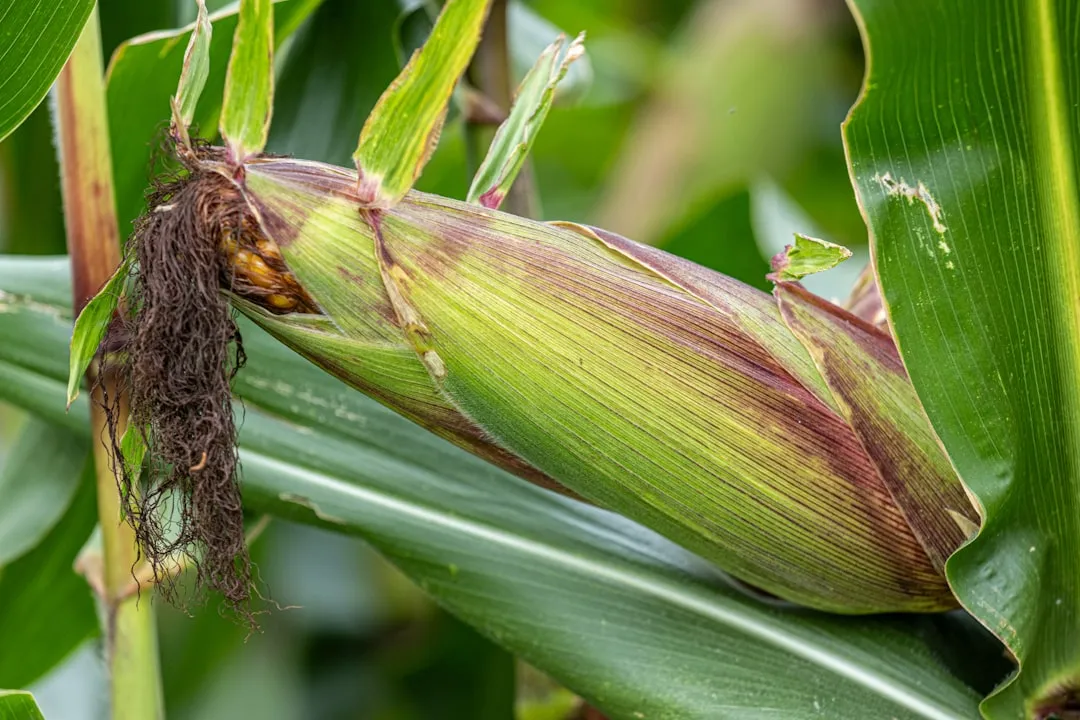
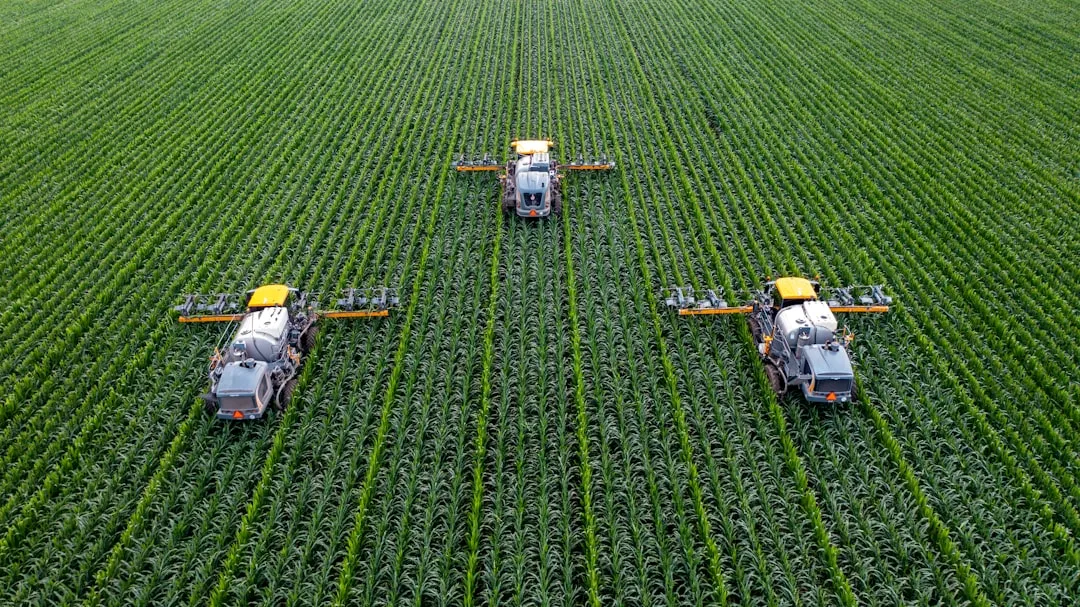
Corn roots spread wide and deep, which is exactly why narrow row spacing causes measurable trouble below the surface. A 2024 study on maize root distribution found that the excessive absorption of a small amount of nutrient resources by two adjacent maize roots in narrow rows reduces the concentration of nutrients, causing the roots to compete with each other and grow asymmetrically to avoid the space already occupied by a neighboring plant. Related agroforestry research on maize systems noted that wide narrow row configurations were associated with greater stem thickening and superior nitrogen assimilation, whereas equal, tight spacing favored vertical elongation instead, meaning the plant put energy into reaching for light rather than building a sturdy stalk or ear. In practical terms, that translates into thinner stalks, smaller ears, and a harvest that looks fine from a distance but disappoints once you start husking.
Squash and Pumpkins: The Space Hogs of the Vegetable Bed
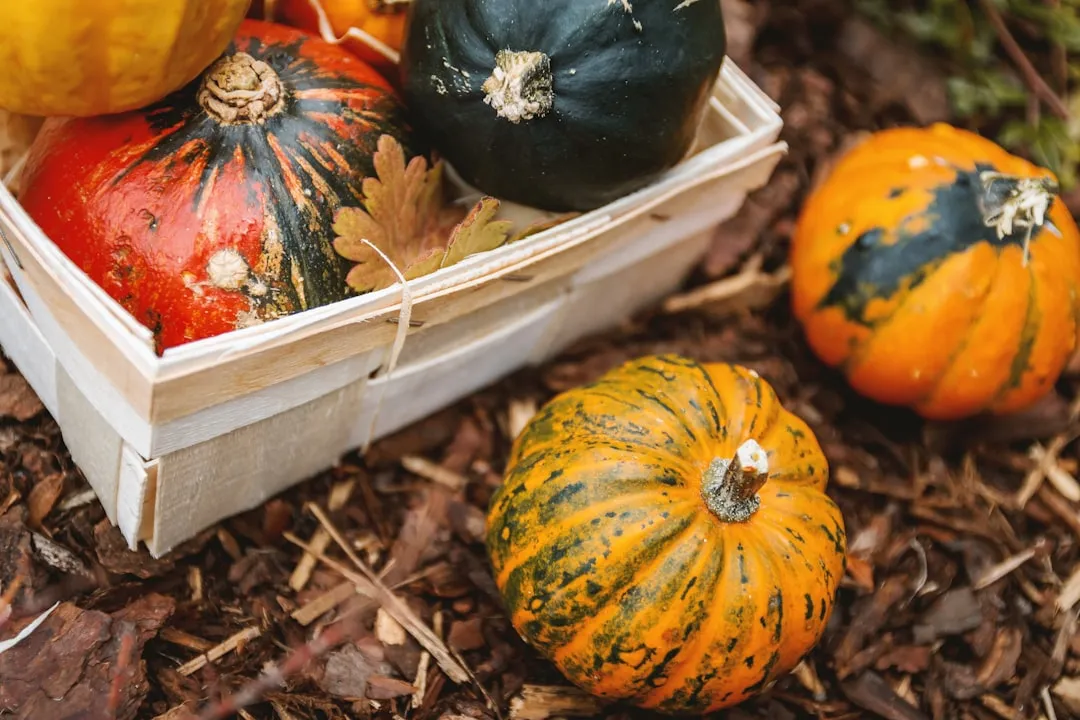
Squash and pumpkins are notorious for outgrowing their allotted space within weeks, and their sprawling root systems draw heavily on soil nutrients the entire season. University of Minnesota Extension recommends planting pumpkin and winter squash seeds twenty four to thirty six inches apart, with five to six feet between rows, a spacing that looks excessive in May but makes complete sense by late July. Utah State Extension similarly notes that summer squash are often planted twenty four to thirty inches apart while winter squash need thirty to forty eight inches. Crowd two squash plants closer than that and you typically get more leaves competing for the same nutrient supply rather than more fruit.
The Three Sisters Lesson: Why Root Depth Matters More Than You’d Guess
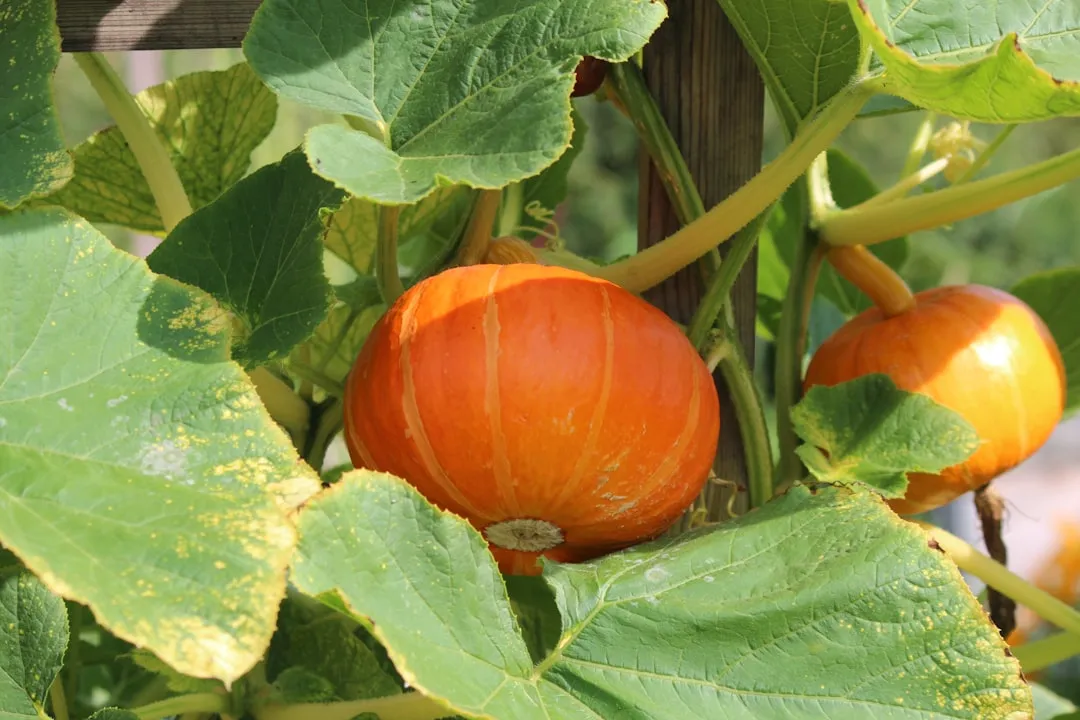
The traditional Indigenous practice of planting corn, beans, and squash together is often held up as proof that crowding vegetables works, but the real lesson is about root depth, not density. Researchers studying this polyculture found that maize mainly relies on soluble phosphorus, while common bean and squash are able to mine sparingly soluble forms of phosphorus through rhizosphere modification, and common bean also relieves nitrogen competition through symbiotic nitrogen fixation. That resource partitioning is precisely why the arrangement succeeds where three plants with identical root habits would fail. The Old Farmer’s Almanac warns that too many plants in one mound leads to competition for sunlight and nutrients, so gardeners should stick to recommended spacing even within a companion planting system.
Cucumbers and Melons: When Vines Compete Underground
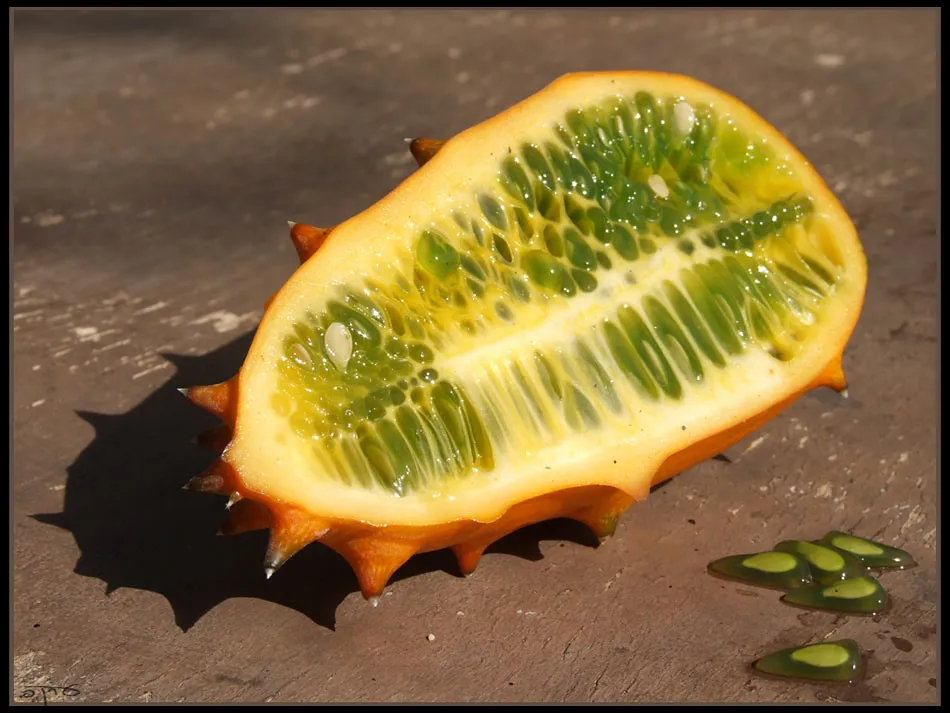
Cucumbers and melons look like they need space above ground for their vines, but the more important competition happens at the root zone. Extension research recommends in row spacing of twelve to eighteen inches for cucumbers in irrigated plantings, with melons needing eighteen to thirty inches apart in irrigated land or thirty six to forty eight inches in dry land. Trellising can tighten that spacing somewhat because it shifts growth upward instead of outward, reducing the lateral root spread that would otherwise trigger competition. Still, gardeners who plant cucumbers shoulder to shoulder with melons in the same bed often see both crops undersized, since neither gets the uninterrupted root run it needs.
Brassicas: Cabbage, Broccoli, and the Nitrogen They All Want
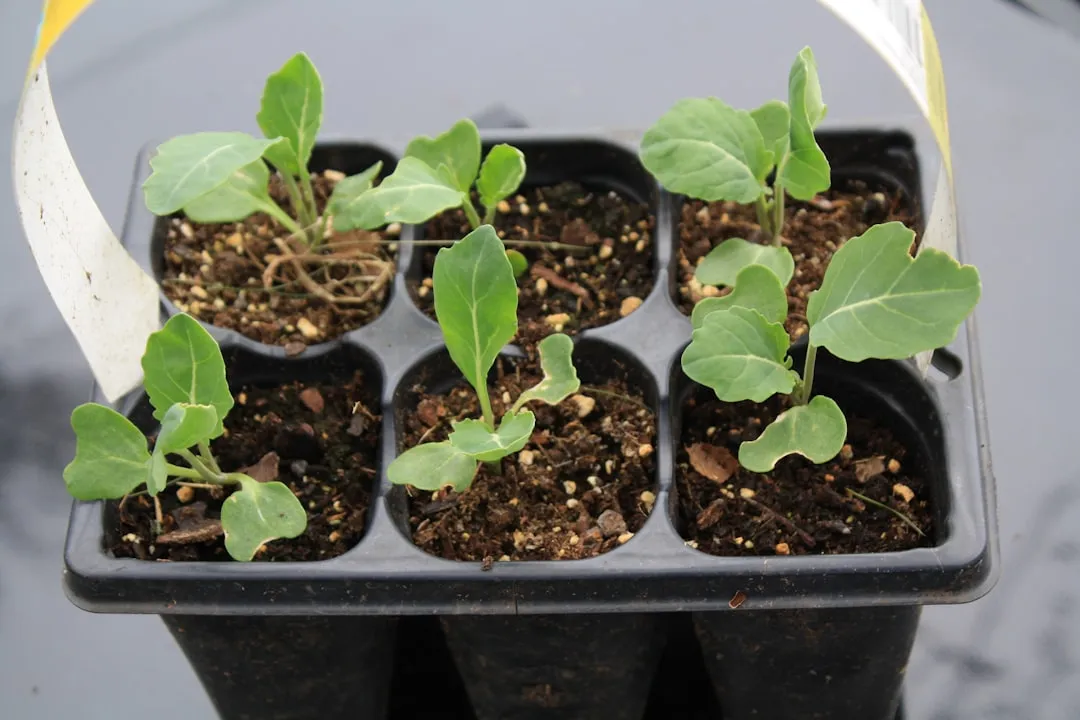
Cabbage, broccoli, kale, and their relatives are all nitrogen intensive crops, and planting several brassicas in the same tight cluster multiplies the demand on one section of soil. Garden Betty notes that cabbage needs fifteen to eighteen inches of space between plants, though seeds are often sown closer at first and thinned later. That thinning step matters more for brassicas than for many other crops, because leaving too many seedlings in place means every plant ends up undersized as they all pull from the same limited nitrogen pool. Home gardeners who grow a full brassica bed without adequate spacing often end up with smaller heads across the board rather than a few excellent ones.
Carrots and Root Crops: Crowding That Shows Up as Forked, Stunted Roots
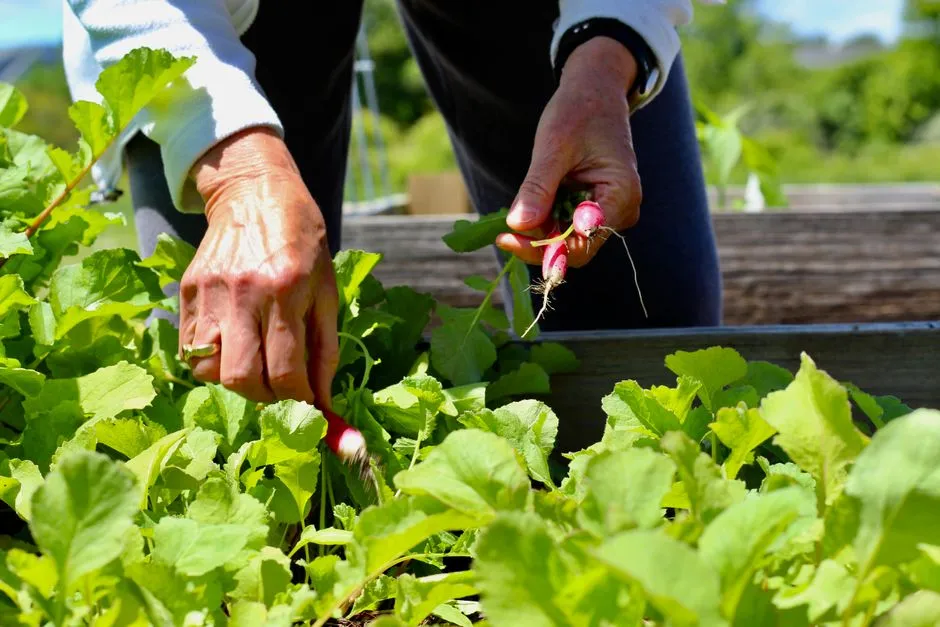
Root vegetables make the consequences of crowding easy to see, since the damage shows up in the shape of the root itself rather than just a smaller yield. Carrots, beets, turnips, and parsnips are typically direct sown thickly because germination rates are unpredictable, then thinned to their final spacing once seedlings reach two to three inches tall. Skip that thinning step and the results are predictable: carrot seeds that survive without being thinned to two to three inches apart tend to produce a mass of thin, forked, unmarketable roots competing for the same soil column. It is one of the clearest visual demonstrations in the entire garden of what nutrient and space competition actually looks like below ground.
Onions and Garlic: Shallow Roots, Easily Outcompeted
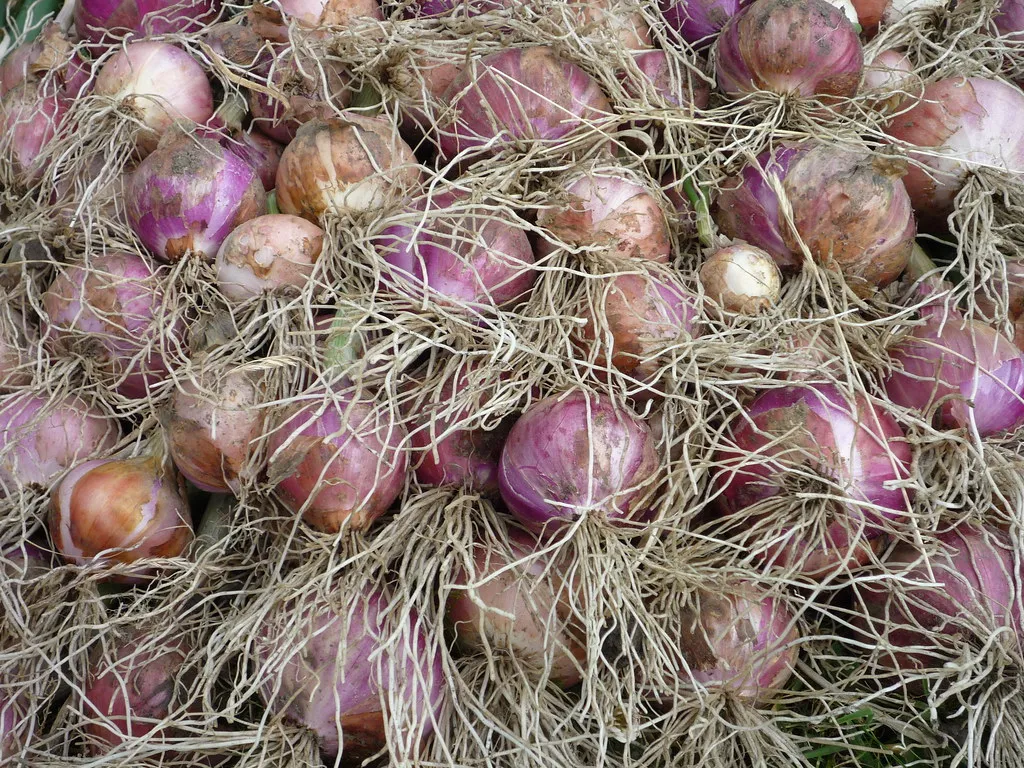
Onions and garlic have shallow, relatively weak root systems compared to many of their bed mates, which makes them poor competitors when planted too close to heavier feeding neighbors. They rely on a narrow band of topsoil for most of their nutrient uptake, so any nearby plant with a more aggressive root system tends to win the contest for available nitrogen and potassium. General spacing research confirms the broader pattern here: overcrowding leads to stunted growth from root competition, reduced yields, poor air circulation, and plants becoming leggy as they compete for light. Gardeners who tuck onions in as an afterthought between tomatoes or squash often notice smaller bulbs by harvest, a sign that the onions simply lost the underground competition early in the season.
Spotting the Signs and Fixing an Overcrowded Bed
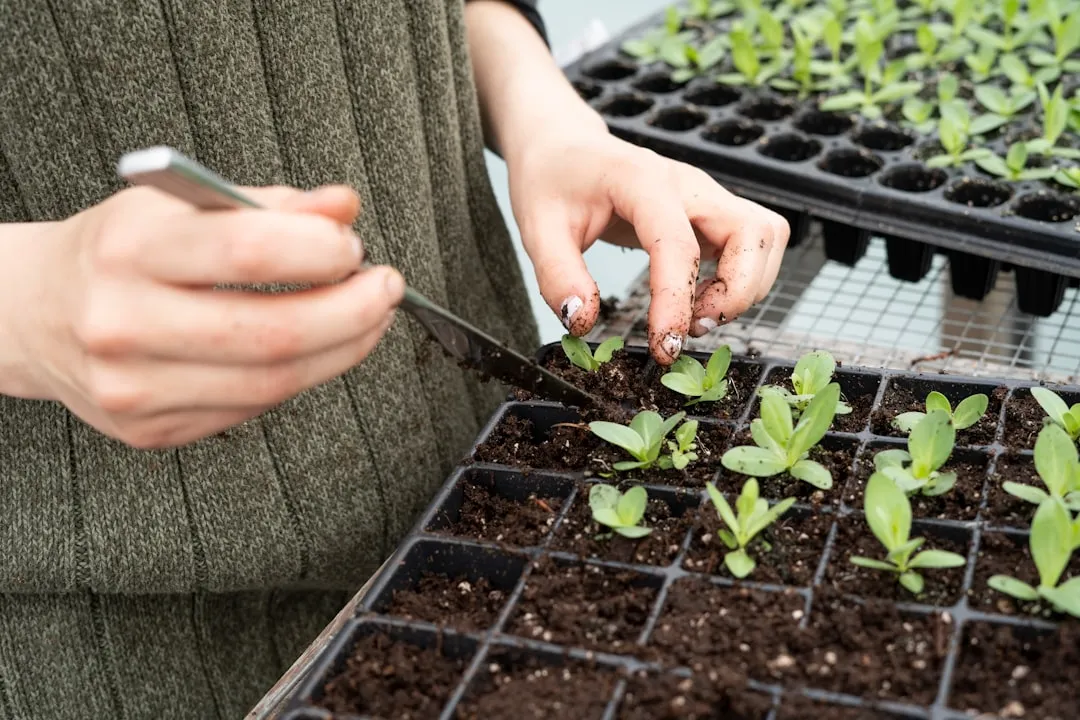
The early warning signs of nutrient competition are fairly consistent across vegetable types: pale or yellowing lower leaves, slower growth than neighboring plants of the same age, and fruit or roots that come in smaller than the variety’s normal range. Spacing charts exist for a reason, and research backs a reasonable margin for adjustment, since variation of ten to fifteen percent either side of recommended spacing is generally fine, while going more than twenty percent tighter consistently reduces yield and increases disease pressure. If a bed is already overcrowded midseason, thinning the weakest plants, adding compost or a balanced fertilizer, and improving airflow can recover some of the lost yield. Prevention remains simpler than correction, though, which is why checking spacing guidelines before the seeds go into the ground still saves more harvest than any fix applied later.
Conclusion
Nutrient competition between vegetables is rarely dramatic. It shows up as a slightly smaller tomato, a forked carrot, or an onion bulb that never quite fills out, small disappointments that are easy to blame on the weather. Once you start thinking about root zones instead of just the visible plant above the soil, spacing charts stop looking like arbitrary rules and start looking like the simplest, cheapest yield booster available to any home gardener.
AI Disclaimer: This article was created with the assistance of AI tools and reviewed by a human editor.