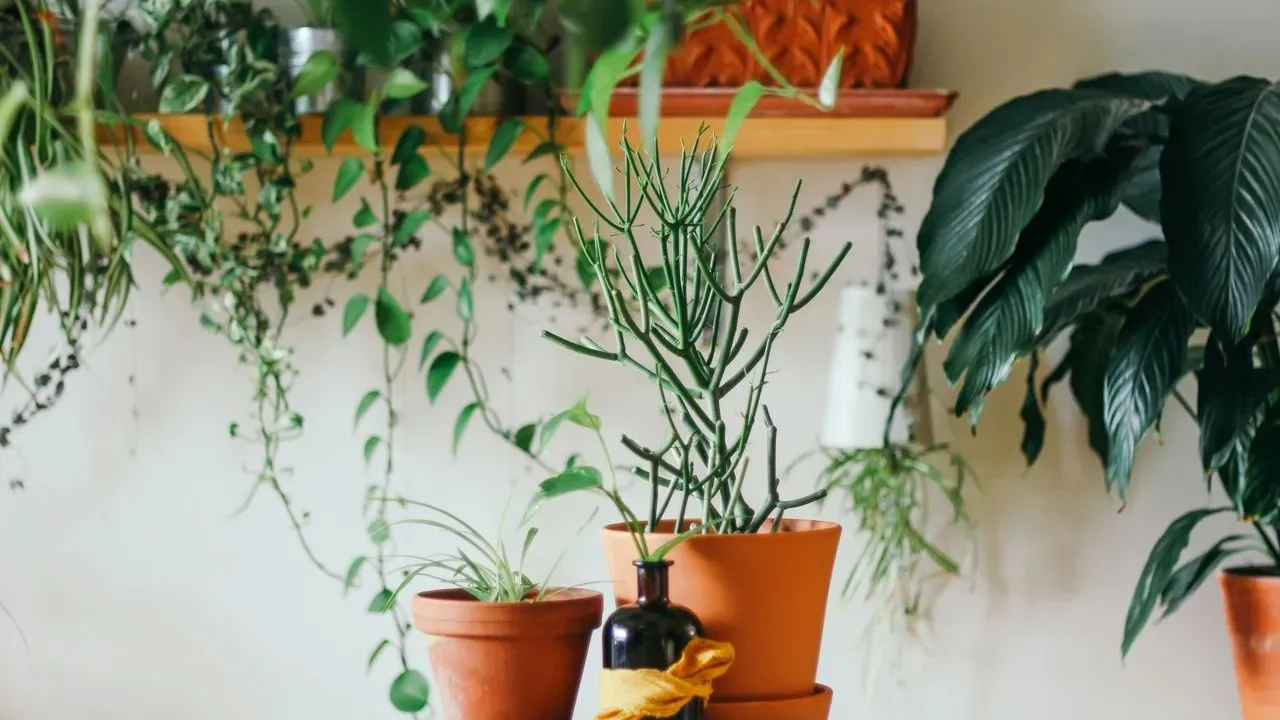

Many plant owners begin with the best intentions, drawn to the calm that greenery brings into a home. Yet that same attention can shift into constant worry, turning a relaxing hobby into another source of pressure. When every leaf change triggers a search or a new routine, the original joy fades quickly.
Constant Online Searches for Every Small Change
A single yellow leaf often sends owners straight to search engines for answers. Results frequently contradict one another, with one source blaming overwatering and the next pointing to underwatering or disease. This cycle adds confusion rather than clarity and leaves people second-guessing basic observations right in front of them. Instead, a closer look at recent care habits usually reveals more useful information. Checking the date of the last watering, noting current light levels, and observing whether the issue affects one leaf or the entire plant provides clearer direction. Removing a few variables first often prevents unnecessary panic and repeated online spirals.
Following a Fixed Watering Calendar
Weekly watering may appear disciplined on paper, yet plants rarely follow such predictable patterns. Soil moisture changes with seasons, pot size, light exposure, and even indoor temperature shifts from one week to the next. A rigid schedule can therefore lead to overwatering or underwatering without anyone noticing the mismatch. A better approach centers on regular check-ins rather than automatic actions. Walking through the space, feeling the soil, and lifting pots to judge weight helps identify only the plants that truly need water. Well-draining soil supports this flexible method and reduces the chance of repeated mistakes.
Panicking at the Sight of Any Yellow Leaf
Not every yellow leaf signals a crisis. Older leaves naturally age and drop as part of normal growth, especially when the rest of the plant appears healthy and continues to produce new growth. Treating every instance as an emergency can create unnecessary stress and distract from the bigger picture. A measured response works better in most cases. Removing the affected leaf, performing a quick review of water, soil, and light conditions, and then watching for any repeating pattern keeps the situation in perspective. Persistent yellowing across multiple leaves may point to root issues that benefit from repotting into fresh mix rather than repeated small adjustments.
Applying Several Fixes at the Same Time
When a plant shows signs of stress, the urge to try multiple solutions at once feels logical. Changing light, watering, feeding, and soil all in one step, however, makes it impossible to know which change actually helped. The plant may improve, yet the owner remains uncertain about the real cause. A more effective path involves one adjustment at a time. Selecting a single change, such as moving the plant to brighter light or altering the watering interval, allows time for observation before the next step. This patient method reduces confusion and builds confidence in future decisions.
Forgetting That Plant Care Should Bring Enjoyment
Many people enter plant keeping for the simple pleasure of a living space that feels more vibrant. Over time, the focus on perfection can turn every watering session into a chore filled with worry. The original goal of adding calm to daily life gets lost in the process. Reliable habits around light, watering, and soil quality matter more than flawless routines. Some plants will yellow or struggle despite good care, while others recover in surprising ways. Keeping attention on these fundamentals leaves room for the satisfaction that first drew people to the hobby.
What matters now: Simplify routines, trust direct observation over online searches, and remember that plants are meant to reduce stress rather than create it.
The path back to enjoyment starts with small mindset shifts that prioritize observation and patience. When care feels lighter, both the plants and their owners tend to thrive.
AI Disclaimer: This article was created with the assistance of AI tools and reviewed by a human editor.