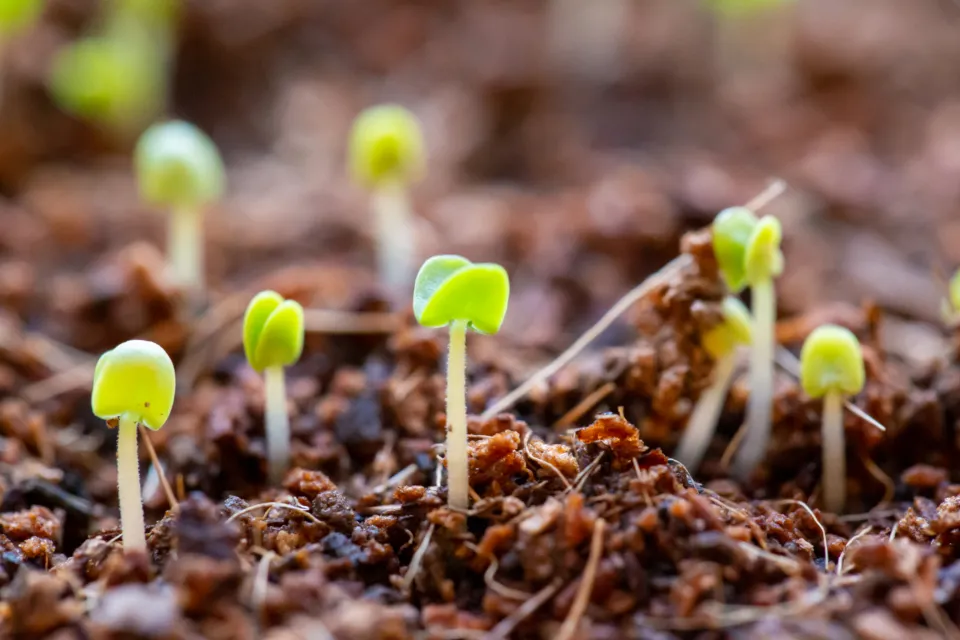

1. Rushing the Process Instead of Giving It Real Time
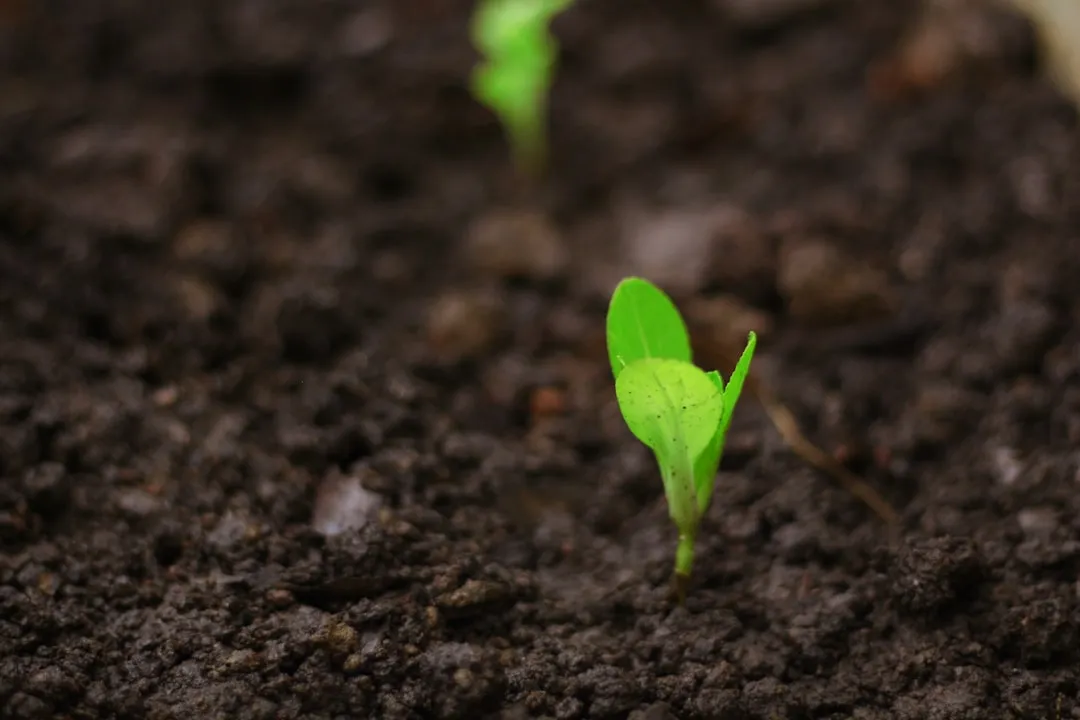
Many gardeners treat hardening off as a quick errand rather than a gradual transition, and that mismatch is where trouble starts. Most seedlings need 7 to 14 days of hardening off, depending on the contrast between indoor and outdoor conditions and the plant type, with tender warm-season crops often needing the full two weeks. Penn State Extension echoes this, noting that the process of moving plants outdoors should start about two weeks before the weather will be favorable enough for the particular plant to live outdoors. Compressing that window into two or three days often means the plant never actually builds the physical changes it needs before facing the real outdoors.
2. Starting Before the Seedling Is Actually Ready
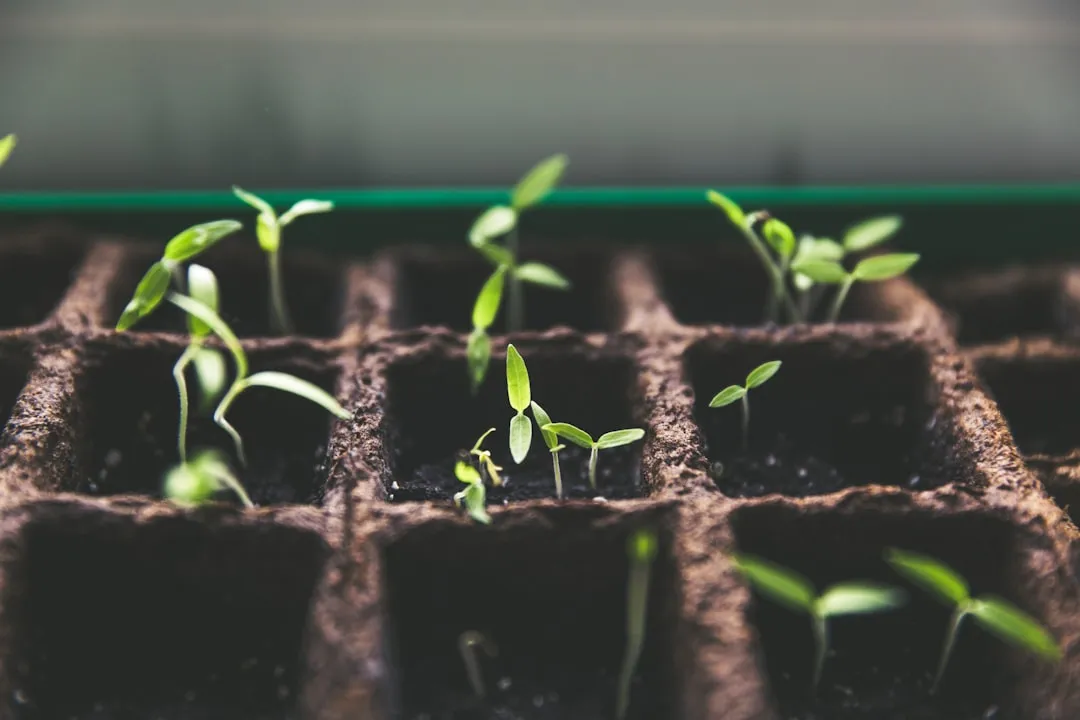
Timing isn’t just about the calendar, it’s about the plant itself. You can begin the hardening process once your seedlings have at least two true leaves, as opposed to seed leaves, the smooth, round leaves that many seedlings will initially sprout with. Farmers Stop adds that gardeners should wait until the seedlings have developed strong roots and several true leaves before transplanting them. Jumping the gun with a plant that’s still mostly seed-leaf tissue leaves it with almost no reserves to draw on during the stress of acclimation.
3. Going Straight to Full Sun Too Soon
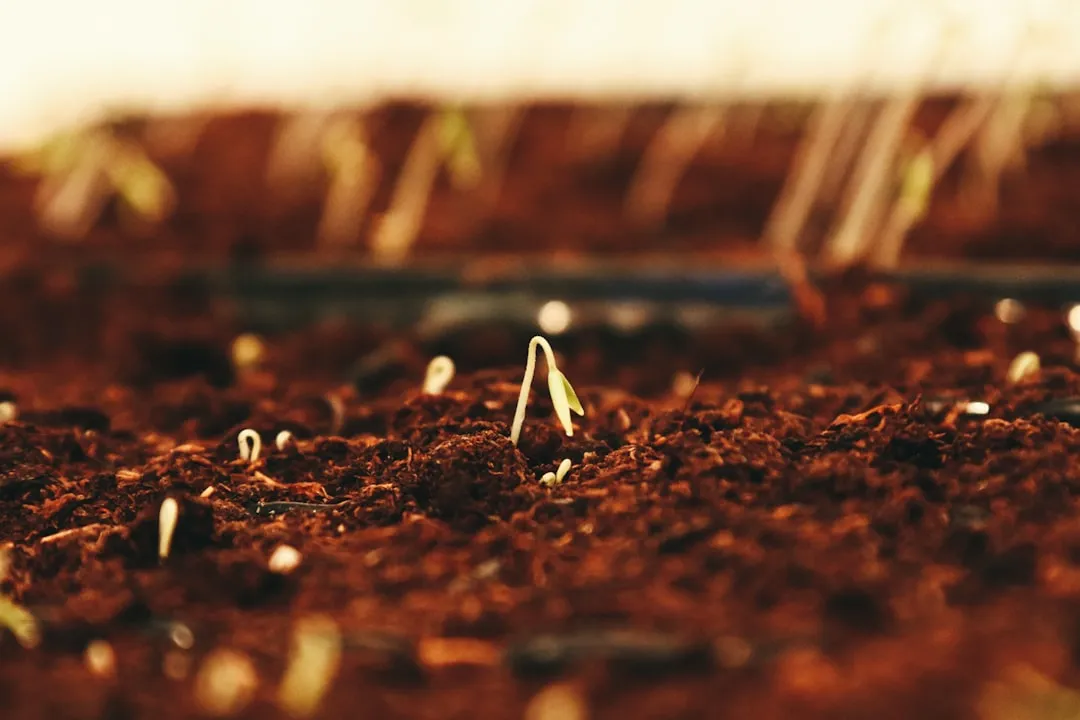
One of the most common errors is putting tender seedlings in direct, all-day sun on the very first outing. Michigan State University Extension explains that an indoor-grown plant thrust into full sun may wilt or have tissue browning on the leaves. The recommended approach instead is to place them outside in a shaded, protected spot on warm days, bringing them in at night, then each day increase the amount of sunlight the transplants receive. Sun damage on leaf tips is often the very first visible sign that this step was skipped or rushed, according to observations from Michigan State University Extension.
4. Underestimating What Wind Does to Young Stems
Wind gets far less attention than sun or cold, but it can be just as damaging to a plant that hasn’t toughened up yet. University of Nevada Extension notes that under the sheltered conditions plants are usually started in, plants tend to be more tender and succulent, and their stems do not have the capacity to withstand strong winds without time to adjust and acclimatize. That’s why guidance from Penn State and Colorado State both stress choosing a spot avoiding windy days, with a cold frame or a protected area like a porch working well. A seedling with a snapped or bruised stem rarely recovers its original growth rate, even if it survives.
5. Ignoring the Temperature Thresholds That Actually Matter
Not every mild-looking day is safe for tender seedlings, and this is where a lot of hardening-off routines quietly fail. University of Maryland Extension is specific on this point, warning gardeners not to put tender seedlings outdoors on windy days or when temperatures are below 45 degrees Fahrenheit, since even cold-hardy plants will be hurt if exposed to freezing temperatures before they are hardened. Penn State frames the same threshold slightly differently, advising gardeners to pay attention to the weather forecast and be prepared to bring plants inside if temperatures will fall below 45 degrees Fahrenheit. Warm-season crops need even more caution, since Michigan State notes that plants like melons can be stunted by temperatures below 50 degrees Fahrenheit.
6. Overwatering During the Acclimation Window
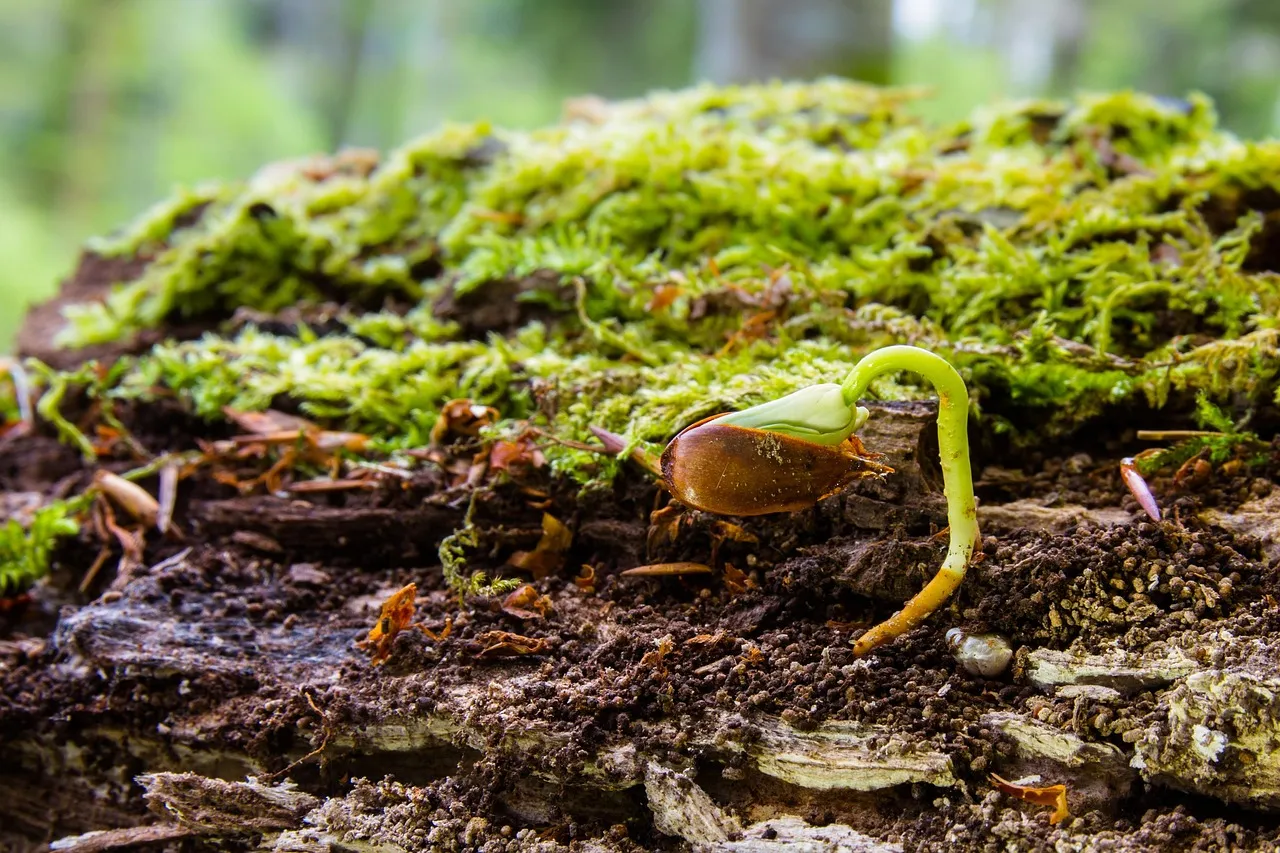
It feels protective to keep seedlings well watered while they adjust to the outdoors, but that instinct can backfire. University of Maryland Extension actually recommends the opposite, advising gardeners to reduce the frequency of watering to slow plant growth, but not allow plants to wilt. Nebraska Extension likewise cautions against fertilizing during this window, noting that gardeners should avoid fertilizing plants before or during the hardening off process, and only use a weak fertilizer solution once transplants are hardened off and planted outdoors. The goal is a slightly leaner, tougher plant, not a pampered one that collapses the moment conditions get harsher.
7. Forgetting That Outdoor Weather Doesn’t Wait for Your Schedule

A rigid hardening-off routine can fall apart fast if the weather doesn’t cooperate. Extension guidance consistently stresses checking forecasts daily rather than following a fixed schedule blindly, since checking for adverse weather conditions like frost, hail, or high winds matters before transplanting, and if the weather isn’t ideal, the hardening-off process should simply be extended for another few days. Nebraska Extension adds a practical note that gardeners should keep in mind this is a general guide, and if a day is missed, the process should simply continue when possible. Flexibility, not perfection, is what actually protects the plants.
8. Treating Every Crop the Same Way
Not all seedlings tolerate the same level of stress, and lumping them together is a common oversight. Nebraska Extension points out that hardy cool season plants can take temperatures in the 40s and won’t be hurt by light frosts once well hardened off, while warm-season plants prefer nights of at least 60 degrees Fahrenheit and can’t stand below-freezing temperatures even after hardening off. Cucumbers and melons are particularly unforgiving of early cold exposure, since Michigan State notes their growth can be permanently checked by temperatures under 50 degrees Fahrenheit. A schedule built for lettuce or cabbage simply isn’t safe for peppers or basil, and vice versa.
9. Skipping Structures That Make the Process Easier and Safer
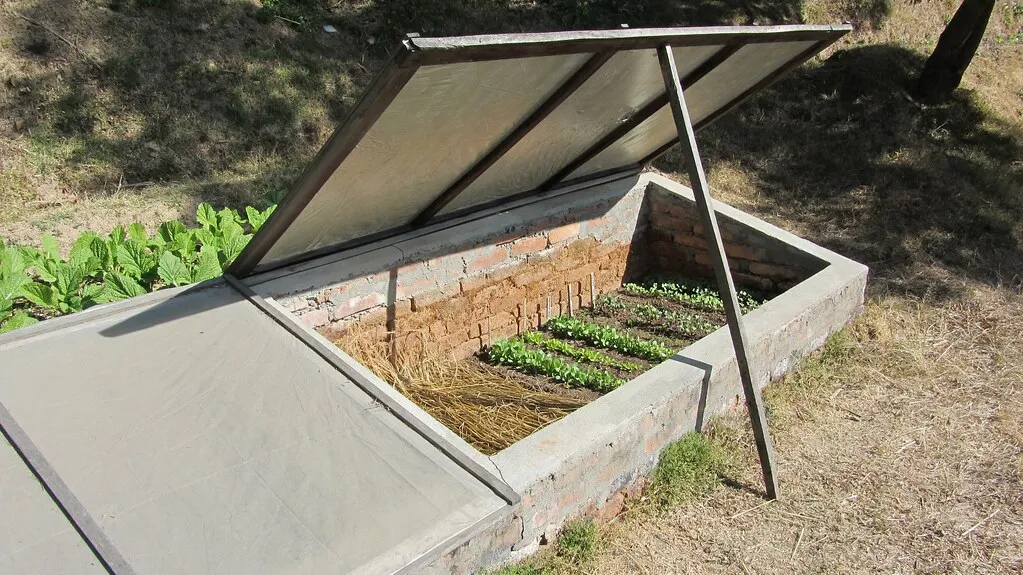
Manually carrying trays in and out twice a day for a week or two is tiring, and skipping that step is often where corners get cut. Multiple extension services point to cold frames as a practical alternative, since a cold frame protects plants from cold temperatures during the evening while opening it allows them to experience outdoor conditions. University of Nevada Reno frames the underlying issue plainly, noting that low humidity, high and low temperatures, wind, and alkaline soils can shock young plants moved suddenly from a greenhouse or shade house. A simple cold frame, porch, or shaded corner reduces the daily labor while still giving the plant the gradual exposure it needs.
10. Transplanting at the Wrong Time of Day
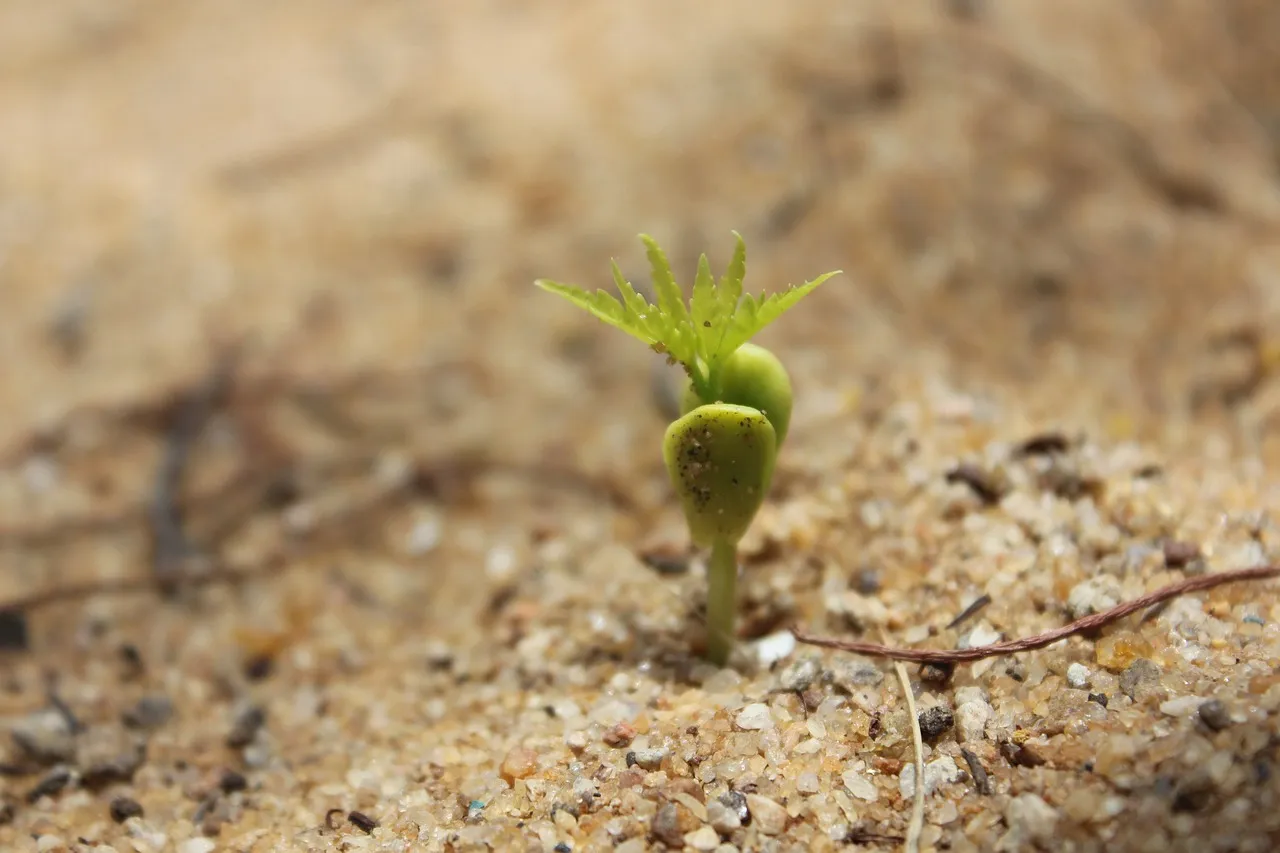
Even a seedling that was hardened off correctly can still wilt if it’s planted at the worst possible moment. Extension guidance from Colorado suggests transplanting on a cloudy day or in late afternoon when the sun has passed its peak, since even hardened-off plants may wilt when first exposed to full sun but generally recover within a day or so. That final step, choosing overcast skies or evening light over a bright midday sun, is often the difference between a seedling that pauses briefly and one that struggles for a week. It’s a small timing decision, but it closes out the entire hardening-off process on the right note.
Getting It Right Takes Patience, Not Perfection
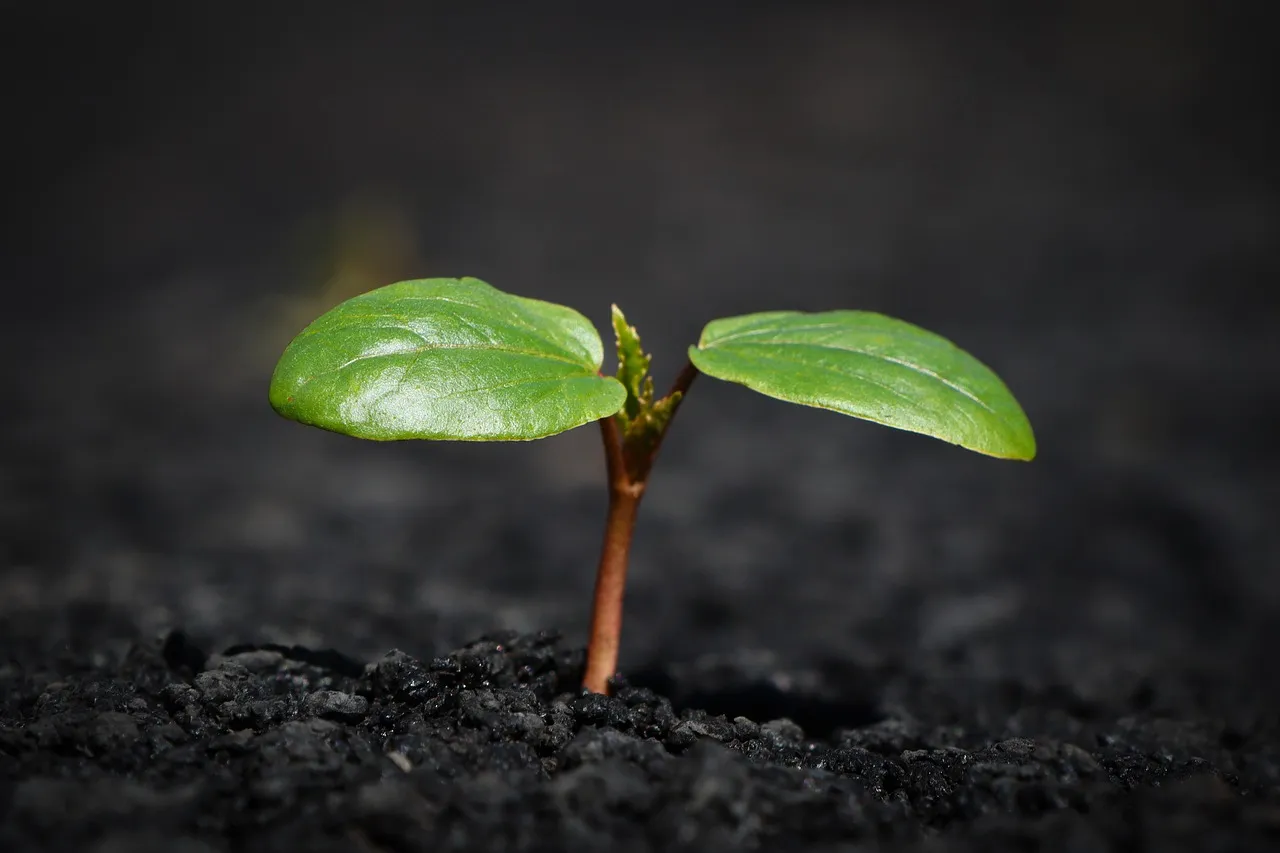
None of this requires special equipment or expert-level skill. It mostly asks for attention: watching the forecast, checking the plants each morning, and resisting the urge to speed things along because the weather finally looks nice. Seedlings that get a fair, gradual introduction to the outdoors tend to reward that patience with steadier, faster growth once they’re finally in the ground for good.
AI Disclaimer: This article was created with the assistance of AI tools and reviewed by a human editor.