

Most gardeners reach for a bit of twine or wire without thinking twice. You’ve got a tomato leaning against its stake, a rose branch that needs guiding, or a young tree wobbling in the breeze. You tie it up and move on. What happens over the following weeks, though, can quietly undo months of careful growing.
The wrong kind of plant tie can be a slow-motion disaster for your garden. A thin, unyielding material like twine or wire can cut into a plant’s stem as it grows and sways in the wind. This is called girdling, and it effectively strangles the plant by cutting off the flow of water and nutrients through its vascular system. It’s one of the most common and preventable causes of plant decline, and most people never see it coming.
What Exactly Is Girdling?
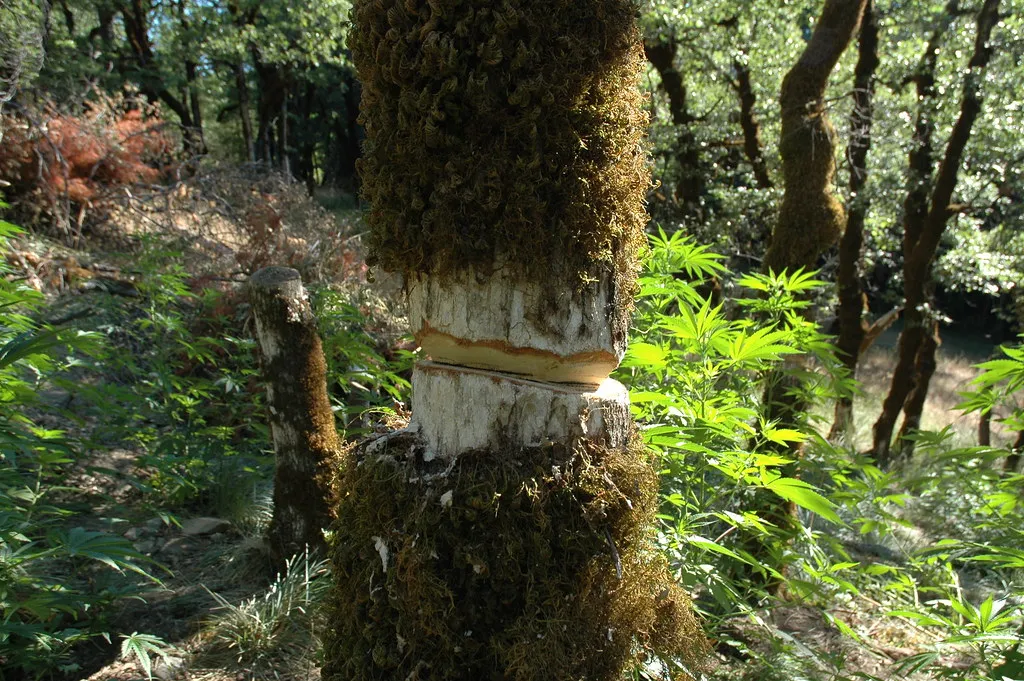
Girdling, also called ring-barking, is the circumferential removal or injury of the bark – consisting of the periderm, phloem, vascular cambium, and sometimes also the xylem – of a branch or trunk of a woody plant. In the context of garden ties, it doesn’t need to be a clean cut. The slow, grinding pressure of a non-stretchy tie against a growing stem achieves the same result.
Girdling occurs when a band or ring forms around the stem, trunk, or branch of a plant, disrupting the flow of nutrients and water between the roots and foliage. This constriction can be caused by several factors, including tight ties, wires, strings, or garden twine wrapped around stems that don’t loosen as plants grow.
It can happen accidentally in gardening or forestry and often leads to plant death if untreated. Girdling kills by blocking the vascular system, including the phloem and cambium.
The Science Behind the Damage
Just beneath the bark is the vascular cambium, a layer of cells that divide to produce new xylem and phloem cells. Xylem transports water and nutrients from the roots to the rest of the tree, while phloem transports sugars produced by photosynthesis from the leaves to the rest of the tree.
The xylem is responsible primarily for moving water and dissolved nutrients from the roots through the stems and into the leaves so photosynthesis can take place. Photosynthesis is a complex two-step process within the chloroplasts where sunlight, carbon dioxide, and water are transformed into glucose and oxygen. The phloem translocates the sugar made in the leaves into either developing organs like buds or fruits, or down to the roots to fuel both growth and storage of energy.
When the vascular cambium is removed or damaged, the tree can no longer produce new xylem and phloem cells in that area. This means that water and nutrients cannot be transported from the roots to the upper parts of the tree, and sugars cannot be transported from the leaves to the rest of the tree.
Why Garden Ties Are a Surprisingly Common Culprit
If you’ve ever secured your houseplants to a stake or trellis or tied the plant together and used something like wire, string, rubber bands, or zip ties, you have run the risk of girdling the plant. Girdling occurs when there is a cut through a stem or the trunk by the item used to secure it. This disrupts the nutrient and water uptake of your plant.
Even a well-intentioned tie can cause problems if it’s forgotten. A tie that was perfect in June can become a deadly tourniquet by August on a rapidly growing tomato vine. Speed of growth is exactly why vigilance matters so much in the warmer months.
Poor landscape management practices such as girdling roots from poor propagation technique, mower and whippersnipper damage, poor staking and tree guards, and pavement and concrete surrounding trunks in paved areas can all cause serious damage. A garden tie is just one piece of a much larger picture of accidental plant harm.
The Slow, Silent Timeline of Girdling Damage
Picture a tightly wrapped string cutting into the bark of a growing tree. Over time, this stranglehold prevents the tree from growing properly, making it weaker and more vulnerable to disease and environmental stressors. While the concept is simple, its consequences are dire.
On some trees the trunk can grow so large that the rope acts as a tourniquet on the vascular system of the plant, gradually crushing it. This prevents the tree sap from freely flowing between the leaves and the roots, leading to decline and ultimately death. On other trees, support ropes can cut into the trunk, leaving a constricted area that is weak and susceptible to breakage from wind or ice.
Despite its severity, girdling often goes unnoticed until the damage is extensive. Recognizing the early signs of girdling is crucial for gardeners who want to maintain the vitality and longevity of their plants.
Signs Your Plant May Already Be Girdled
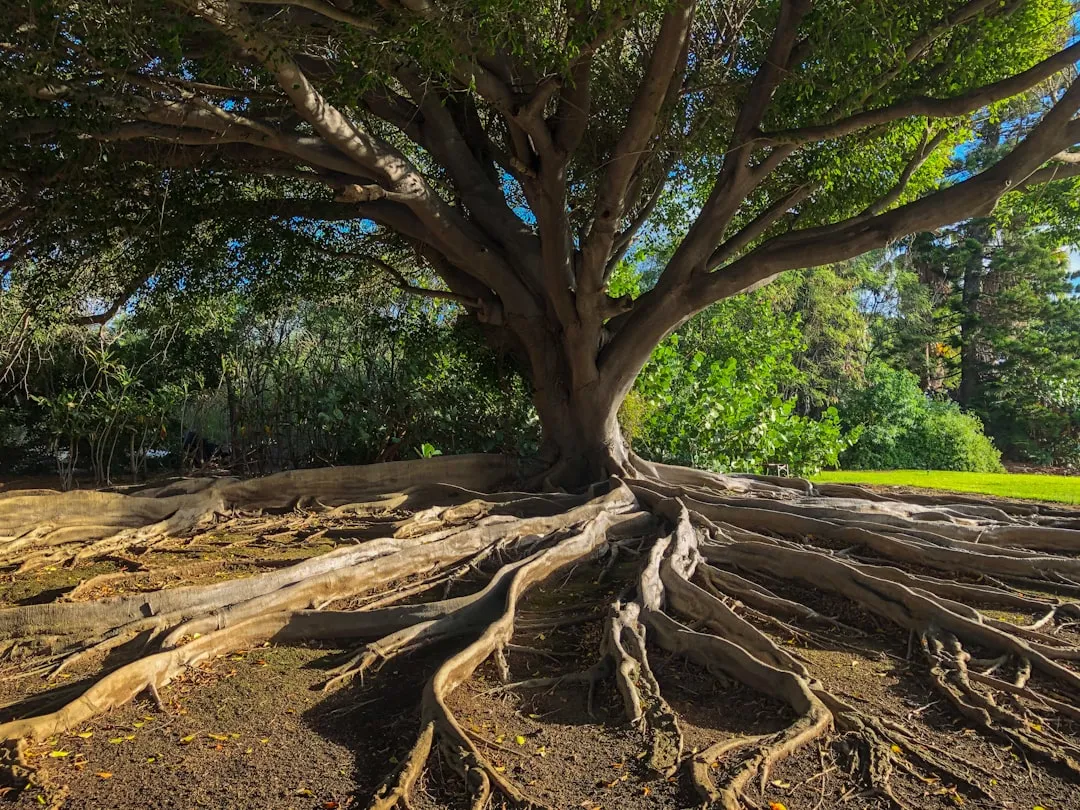
Trees with girdling roots or stem constriction often exhibit symptoms of poor health, such as off-color leaves, sometimes with dead margins or scorched edges. Early leaf drop leaves the tree bare earlier in the season than usual. Stunted growth results in a thin crown and smaller leaves. Twig and branch dieback leads to a sparse and unhealthy appearance.
If one branch dies off while others remain healthy, inspect near its base for girdling damage. This asymmetry in the plant’s health is one of the clearest warning signs, and it’s worth acting on quickly.
Plants can compartmentalize damage, but they cannot “heal” like animals can. Once the damage is done, the plant cannot repair and replace damaged tissue. If the damage is significant enough to be detrimental to the transport of water and nutrients, the plant will die.
Can a Girdled Plant Be Saved?
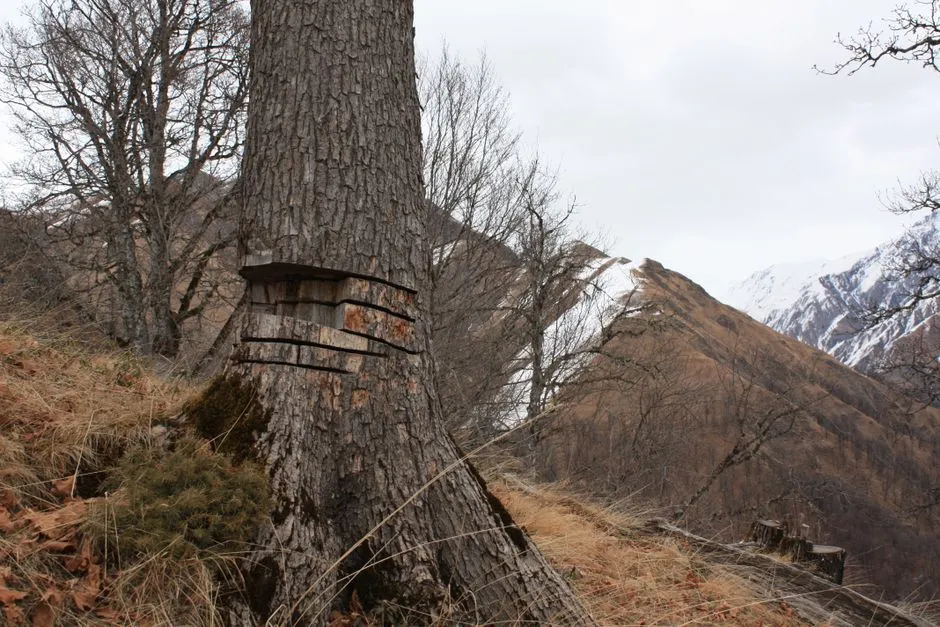
If you catch girdling early, there’s a chance to save the plant, but full girdling is usually fatal. If only the phloem (outer bark layer) is cut but the cambium (growth layer) is intact, some recovery may be possible.
If you discover a plant that’s been girdled, you need to carefully remove the material. Use something sharp to carefully cut it out. If the material has caused a deep indentation, hopefully the plant will heal after removal, but it must be removed for healing to begin.
If only part of the circumference is damaged (less than about one-third), trees might recover naturally. Keep the tree well-watered and fertilized to encourage healing. Acting quickly and removing the offending tie is always the first step.
The Worst Offenders in Your Garden Shed
Using the wrong material is a common pitfall. Thin, hard materials like fishing line, bread ties, or bare wire will slice into a stem under the slightest pressure from wind or growth. These are ordinary household items that people reach for without a second thought.
Materials like rubber bands, string, or wire can cause girdling. These materials can dig into the bark and reduce the flow of nutrients and water, leading to serious damage to the plant.
Ring barking or girdling can cause dieback or death of a tree. Damage may result from careless use of machinery close to a tree, excessively tight wire or tree ties, or mammals gnawing on the bark, often at the base of the main trunk. The Royal Horticultural Society (RHS) specifically flags tight ties as a primary cause worth monitoring closely.
Choosing Tie Materials That Won’t Harm Your Plants
Natural fibers such as cotton, jute, raffia, and hemp make excellent tie materials. They are softer and more flexible than synthetic fibers and are less likely to cut into plant tissues. For most everyday garden tasks, they’re an easy and affordable upgrade from wire or nylon.
Soft, flexible materials like stretchy fabric ties, rubber-coated wire, and adjustable velcro ties are excellent choices. These allow for plant growth while providing gentle support without causing stem or bark damage.
The key benefit of silicone is its elasticity. The material stretches as the plant’s stem grows, automatically accommodating the increased girth without needing constant manual adjustment. This quality is a huge time-saver, especially if you have a lot of plants to manage.
The Right Technique Matters as Much as the Material
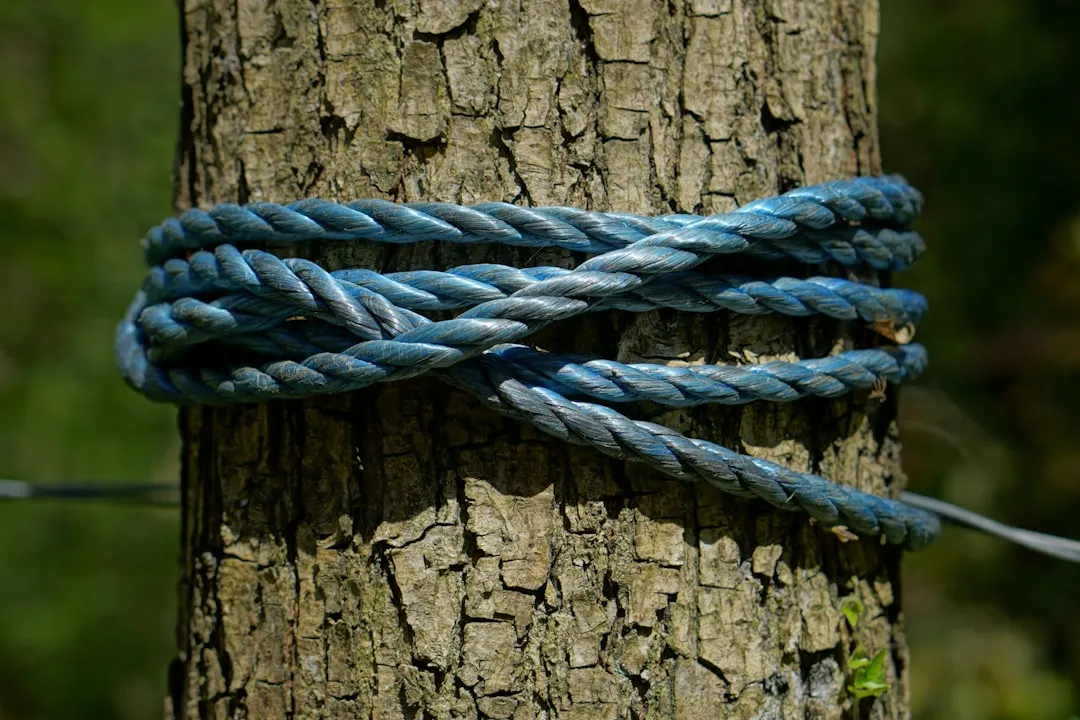
A wider tie distributes pressure over a larger surface area, dramatically reducing the risk of it cutting into the plant. Avoid thin materials like string or bare wire, which can act like a garrote as the stem thickens.
Leave enough slack so the stem can grow without girdling. Tie above a node or branch point to safeguard new growth points. Use the figure-eight method when possible, as loops around both stake and plant reduce slipping while protecting stems.
Regular checks on tree ties are crucial during early growth stages to prevent constriction as the tree develops. Adjustments should be made to avoid tightness or wear that could hinder the tree’s growth. Seasonal inspections should be done before and after windy seasons to ensure proper support and prevent potential damage. These inspections help in adjusting the tie’s height as the tree grows, promoting upward development and avoiding girdling that can harm the tree’s bark.
Prevention in Practice: A Seasonal Habit Worth Building
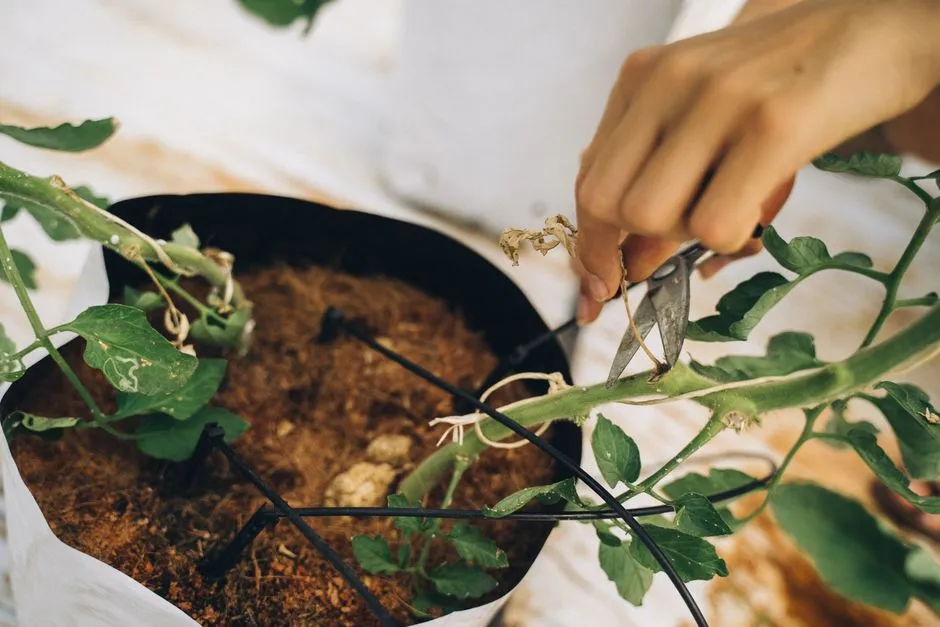
Remove ties once plants can support themselves to prevent girdling. Cut ties with sharp scissors to avoid damaging plants during removal. This is a habit that takes only minutes but can make the difference between a plant that thrives for years and one that silently declines.
It’s important to check and adjust plant ties regularly, especially during active growing seasons. Look for signs of constriction around stems and loosen or replace ties as needed to accommodate growth and prevent damage.
Prevention is key. Always prune correctly and avoid over-tightening ties or piling up mulch around the base of stems. The small, consistent acts of checking in on your plants are what separate a thriving garden from one that slowly loses its best specimens to causes that were entirely avoidable.
Conclusion: Support Your Plants, Don’t Strangle Them
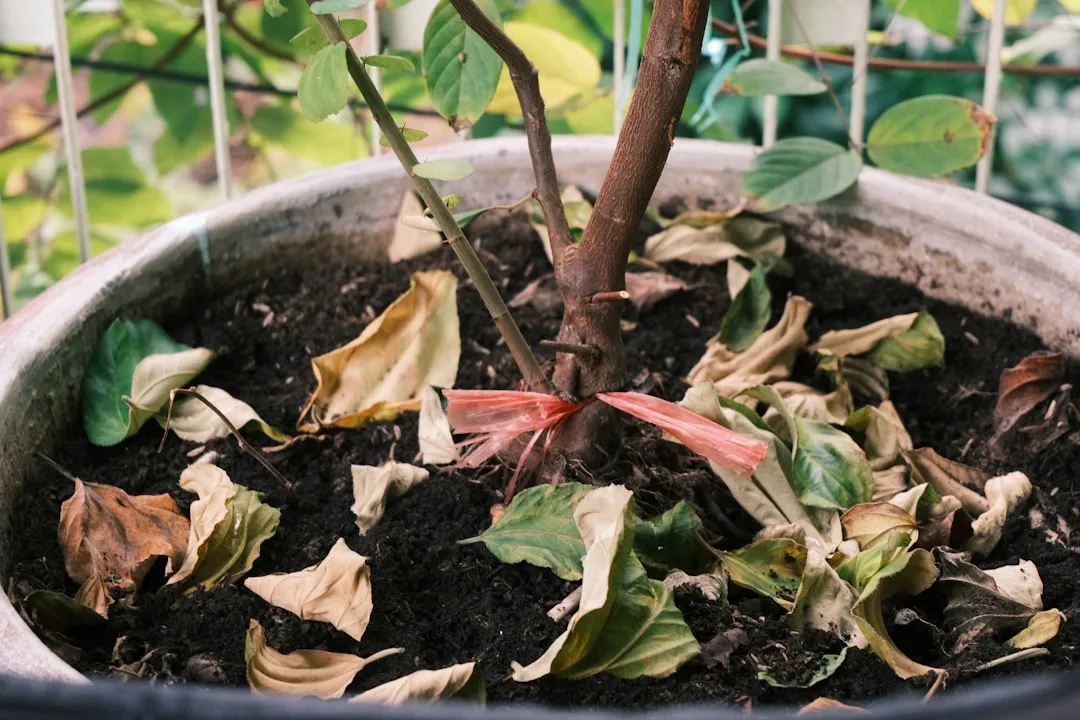
Girdling from garden ties is one of those problems that hides in plain sight. The tie goes on in spring, the plant looks fine through summer, and by autumn you’re puzzling over a wilting branch or a tree that just seems off. The culprit has been there the whole time, quietly tightening with every inch of growth.
The fix is straightforward. Use soft, wide, or stretchy materials, check your ties regularly, and remove them once they’re no longer needed. When selecting a plant tie, the goal is to secure the stem without girdling, chafing, or cutting into it as it grows. The ideal tie possesses a few key characteristics that make it safe and effective for long-term use. A damage-free tie should always be soft, wide, and adjustable.
Supporting a plant well means giving it room to grow, not holding it in place so tightly it can’t. The best garden ties are the ones you barely notice, and more importantly, neither does the plant.
AI Disclaimer: This article was created with the assistance of AI tools and reviewed by a human editor.