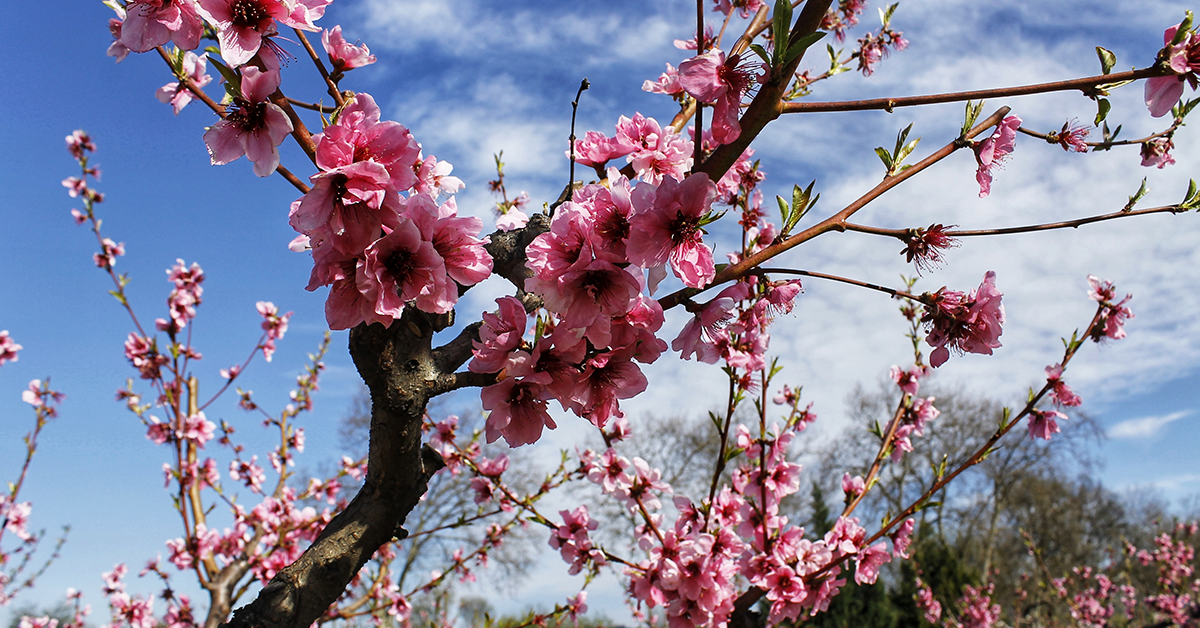

Welcome to the world of Arctic Glo Nectarine trees! If you are a fan of juicy, sweet, and vibrant fruits, then growing your own Arctic Glo Nectarine tree is an excellent choice. With its stunning pink blossoms in spring and delicious fruits in summer, this variety is a true gem in any garden or orchard.
In this article, we will delve into the specifics of growing Arctic Glo Nectarine trees, including the ideal growing conditions, planting and care tips, common challenges, and harvesting techniques. Whether you are a seasoned gardener or a beginner, this comprehensive guide will equip you with all the knowledge you need to successfully cultivate and enjoy the bountiful harvest of Arctic Glo Nectarines. So, let’s get started on this exciting journey of growing and nurturing these delectable fruits!
What are Arctic Glo Nectarines?
Arctic Glo Nectarine is a popular variety of nectarine tree known for its delicious and juicy fruit. It is a self-pollinating tree, which means it does not require another nectarine tree for cross-pollination. The fruit of Arctic Glo Nectarine is medium-sized, with a smooth, firm, and vibrant red skin. The flesh is yellow-orange, sweet, and aromatic, making it a favorite among nectarine enthusiasts. This variety is also known for its resistance to diseases and pests, making it relatively easy to grow and maintain. Arctic Glo Nectarine trees are typically medium-sized, reaching a height of around 12-15 feet, making them suitable for both large gardens and smaller spaces.
What do Arctic Glo Nectarines taste like?
Arctic Glo Nectarine is a delightful fruit known for its exceptional flavor profile. It offers a unique combination of sweet and tangy flavors that make it a favorite among nectarine enthusiasts. The taste is often described as intensely sweet, with a pleasant acidity that adds a refreshing zing to each bite.
The flavor of Arctic Glo Nectarine is characterized by its rich, juicy, and succulent flesh. It has a vibrant and aromatic aroma that entices the senses. The sweetness is reminiscent of tropical fruits, with hints of peach and apricot notes. The tanginess adds a delightful balance, enhancing the overall taste experience.
One of the remarkable aspects of Arctic Glo Nectarine is its high sugar content, which contributes to its natural sweetness. This makes it a perfect choice for those who enjoy a sweeter fruit. The acidity, on the other hand, provides a subtle tartness that complements the sweetness, creating a harmonious flavor profile.
When fully ripe, Arctic Glo Nectarines have a smooth and buttery texture that melts in your mouth. The combination of the luscious texture and the delectable flavors makes it a true delight to eat. Whether enjoyed fresh, sliced in salads, or used in various culinary creations, Arctic Glo Nectarine is sure to impress with its exceptional flavor profile.
How to start an Arctic Glo Nectarine from seed
Starting Arctic Glo Nectarine trees can be a rewarding experience. Here is a guide to help you get started:
Climate and Location:
- Arctic Glo Nectarine trees thrive in USDA hardiness zones 5-9.
- They require a minimum of 600 chilling hours below 45°F (7°C) during winter for proper fruit development.
- Choose a location that receives full sun for at least 6-8 hours a day.
- Ensure the soil is well-draining and rich in organic matter.
Choosing the Right Tree:
- Purchase a grafted Arctic Glo Nectarine tree from a reputable nursery or garden center.
- Grafted trees are preferred as they have a stronger root system and are more disease-resistant.
- Look for a healthy tree with well-developed branches and no signs of pests or diseases.
Planting:
- Plant the tree in early spring, after the danger of frost has passed and the soil has warmed up.
- Dig a hole that is wider and deeper than the root ball of the tree.
- Place the tree in the hole, ensuring that the bud union (the swollen area where the scion is grafted onto the rootstock) is above the soil level.
- Backfill the hole with the excavated soil, gently firming it around the roots.
- Water the tree thoroughly after planting to settle the soil.
Watering and Fertilizing:
- Nectarine trees require regular watering, especially during the first few years of growth.
- Water deeply once or twice a week, ensuring the soil is moist but not waterlogged.
- Mulch around the base of the tree with organic matter to retain moisture and suppress weed growth.
- Fertilize the tree in early spring with a balanced fruit tree fertilizer according to the package instructions.
- Avoid over-fertilizing, as it can lead to excessive vegetative growth and reduced fruit production.
Pruning and Training:
- Prune the tree during the dormant season (late winter or early spring) to shape it and promote good airflow.
- Remove any dead, damaged, or crossing branches.
- Maintain an open center or modified central leader shape to allow sunlight to reach all parts of the tree.
- Regularly thin out excess fruit to avoid overcrowding and promote larger, healthier fruits.
Pest and Disease Control:
- Monitor the tree regularly for common pests such as aphids, scale insects, and peach leaf curl.
- Use organic or chemical insecticides as necessary, following the instructions carefully.
- Apply a fungicide spray during the dormant season to prevent peach leaf curl and other fungal diseases.
Remember, growing nectarine trees requires patience and consistent care. With proper attention, you can enjoy a bountiful harvest of delicious Arctic Glo Nectarines.
When to plant Arctic Glo Nectarine outdoors
The ideal time to plant Arctic Glo Nectarine trees is during the late winter or early spring, before the tree starts to bud and flower. This allows the tree to establish its roots before the onset of hot summer weather. In most regions, planting can be done from late February to early April, depending on the local climate and frost dates. It’s important to avoid planting during periods of freezing temperatures or when the ground is waterlogged.
Growing & care guide
Arctic Glo Nectarine is a delightful variety of nectarine tree that thrives in cooler climates. To ensure the health and productivity of your Arctic Glo Nectarine tree, it is important to follow some best practices for its care. Here are some guidelines to help you:
- Planting: Choose a location that receives full sun for at least 6-8 hours a day. The soil should be well-draining, rich in organic matter, and slightly acidic with a pH level between 6.0 and 6.5. Dig a hole that is wide and deep enough to accommodate the root ball of the tree. Plant the tree at the same depth it was growing in the nursery and backfill the hole with soil, gently firming it around the roots.
- Watering: Nectarine trees require regular watering, especially during the growing season. Water deeply, providing enough moisture to saturate the root zone. However, avoid overwatering as it can lead to root rot. A general rule of thumb is to water the tree deeply once a week, adjusting the frequency based on weather conditions and soil moisture levels.
- Fertilizing: Fertilize your Arctic Glo Nectarine tree to provide it with essential nutrients. Apply a balanced fertilizer, such as a 10-10-10 or 14-14-14 formula, in early spring before new growth begins. Follow the manufacturer’s instructions for application rates. Additionally, consider applying organic matter, such as compost or well-rotted manure, around the base of the tree to improve soil fertility and moisture retention.
- Pruning: Pruning is crucial for maintaining the shape, size, and health of your Arctic Glo Nectarine tree. Prune during late winter or early spring, before the tree starts budding. Remove any dead, damaged, or diseased branches. Thin out crowded branches to improve air circulation and sunlight penetration. Maintain an open center or vase-shaped structure to allow for better fruit production and easier maintenance.
- Pest and Disease Control: Regularly inspect your nectarine tree for signs of pests or diseases. Common pests that may affect Arctic Glo Nectarine trees include aphids, scale insects, and peach tree borers. Treat infestations with appropriate insecticides, following the instructions carefully. Fungal diseases like brown rot and peach leaf curl can also be a concern. Apply appropriate fungicides as preventive measures and ensure good air circulation around the tree.
- Winter Protection: Arctic Glo Nectarine trees are more cold-hardy than other nectarine varieties, but they may still require some winter protection in extremely cold climates. Consider wrapping the trunk with burlap or using tree wraps to prevent frost damage. Applying a layer of mulch around the base of the tree can also help insulate the roots during winter.
Remember to monitor your Arctic Glo Nectarine tree regularly for any signs of stress, such as wilting leaves or unusual discoloration. By providing proper care, you can enjoy a bountiful harvest of delicious nectarines from your tree for years to come.
When to harvest
Arctic Glo Nectarines are a delicious variety of nectarine that are known for their sweet and juicy flavor. Here’s a guide on when and how to harvest Arctic Glo Nectarines:
- Timing: The timing of the harvest is crucial for obtaining the best flavor and texture. Arctic Glo Nectarines are typically ready for harvest in late summer, usually around August or September, depending on your location and climate. The fruit should be fully ripe before picking, as they do not ripen further once harvested.
- Color and firmness: Look for the characteristic color change in the fruit. Arctic Glo Nectarines have a vibrant red blush over a yellow background when they are ripe. The fruit should also have a slight give when gently squeezed, indicating that it is ripe and ready to be harvested. Avoid picking them when they are still hard and green.
- Harvesting technique: To harvest Arctic Glo Nectarines, gently twist or roll the fruit in your hand until it separates from the branch. Alternatively, you can use a pair of pruning shears or sharp scissors to cut the stem just above the fruit. Be careful not to damage the fruit or the tree while harvesting.
- Handling and storage: Handle the nectarines with care to avoid bruising or damaging them. Place the harvested fruit in a shallow container or basket to prevent them from getting crushed. It is best to consume or use the nectarines as soon as possible after harvesting for the freshest flavor. If you need to store them, keep them in a cool, dry place for a few days, but avoid refrigerating them as it can affect their flavor and texture.
Remember, the taste and quality of Arctic Glo Nectarines are at their best when they are allowed to fully ripen on the tree. So, keep a close eye on the color and firmness of the fruit, and enjoy the sweet rewards of your harvest!