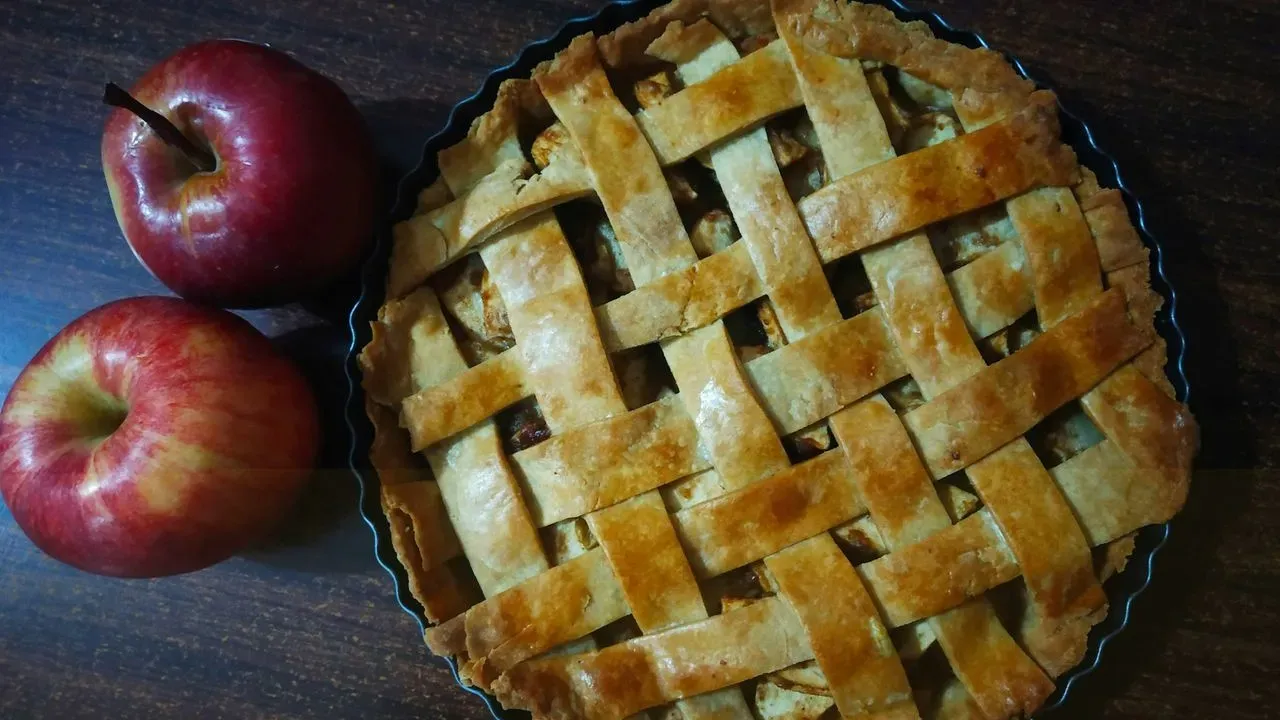

You baked an apple pie the day before and left it covered on the counter overnight. The question of whether it belongs in the refrigerator now depends on the filling, the recipe, and the temperature in your kitchen. Food safety guidance from university extensions offers clear timelines that help home bakers avoid waste while keeping the pie wholesome.
The Rule for a Classic Baked Apple Pie
A traditional apple pie made with a sugar-sweetened fruit filling can remain loosely covered at room temperature for up to two days. After that window, refrigeration extends safety for roughly two additional days. University of Maine Extension notes that refrigerating the pie from the moment it cools allows it to last up to seven days total. Sugar and the natural acidity in the apples help slow bacterial growth, which supports the short counter period for these pies. The two-day counter limit counts from the time the pie comes out of the oven. If the kitchen runs unusually warm, experts recommend moving the pie to the refrigerator right away rather than testing the room-temperature window. This approach keeps the dessert enjoyable without unnecessary risk.
When the Filling Changes the Storage Plan
Pies that include custard, cream, cream cheese, or whipped cream toppings follow stricter rules. These versions must stay refrigerated because the perishable ingredients support faster bacterial growth. Any such pie left out should not exceed two hours at room temperature, or one hour if the kitchen temperature climbs above 90 degrees. Sugar-free apple pies also require refrigeration. Guidance from Iowa State University advises eating them within one to two days and storing them in an airtight container in the fridge. The absence of sugar removes one of the protective factors that allows traditional fruit pies to sit out briefly.
Freezing for Longer Storage
Freezing offers a reliable way to preserve apple pie beyond the refrigerator window. Both Iowa State and University of Maine Extension recommend up to four months for best quality. The process works best when the pie is frozen uncovered until solid, then wrapped tightly in plastic or foil. Thawing in the refrigerator provides the most cautious route and helps maintain texture. Once thawed, a slice can be enjoyed cold or warmed briefly in the oven if desired. Unbaked pies sometimes retain fresher fruit flavor after freezing compared with pies baked before they go into the freezer.
Signs It Is Time to Discard the Pie
Visible mold on the crust or filling means the entire pie should be thrown away. Mold can penetrate porous baked goods even when it appears only on the surface. Any pie that exceeds the recommended storage times also warrants disposal, even if it looks and smells normal. An unusual or unpleasant odor provides another clear signal to discard the dessert. A normal appearance or smell does not guarantee safety once the time limits have passed. These checks focus on the actual ingredients and elapsed time rather than surface impressions alone.
Practical Storage Steps for Home Bakers
Let the pie cool completely before covering it loosely with foil or a lid. In the refrigerator, a tighter cover helps prevent it from absorbing other odors. Store-bought pies should follow the instructions on their packaging, including any guidance after opening. A quick reference list helps keep the rules straight:
- Traditional sugar-sweetened apple pie: up to 2 days covered at room temperature, then up to 2 more days refrigerated.
- Pie refrigerated from the start: up to 7 days.
- Pies with custard, cream, or perishable toppings: refrigerate immediately and limit counter time to 2 hours.
- Sugar-free versions: refrigerate and use within 1 to 2 days.
- Freezer storage: up to 4 months for best quality.
These timelines come from consistent recommendations across multiple university extension services and give bakers a reliable way to enjoy leftover pie without concern.
AI Disclaimer: This article was created with the assistance of AI tools and reviewed by a human editor.