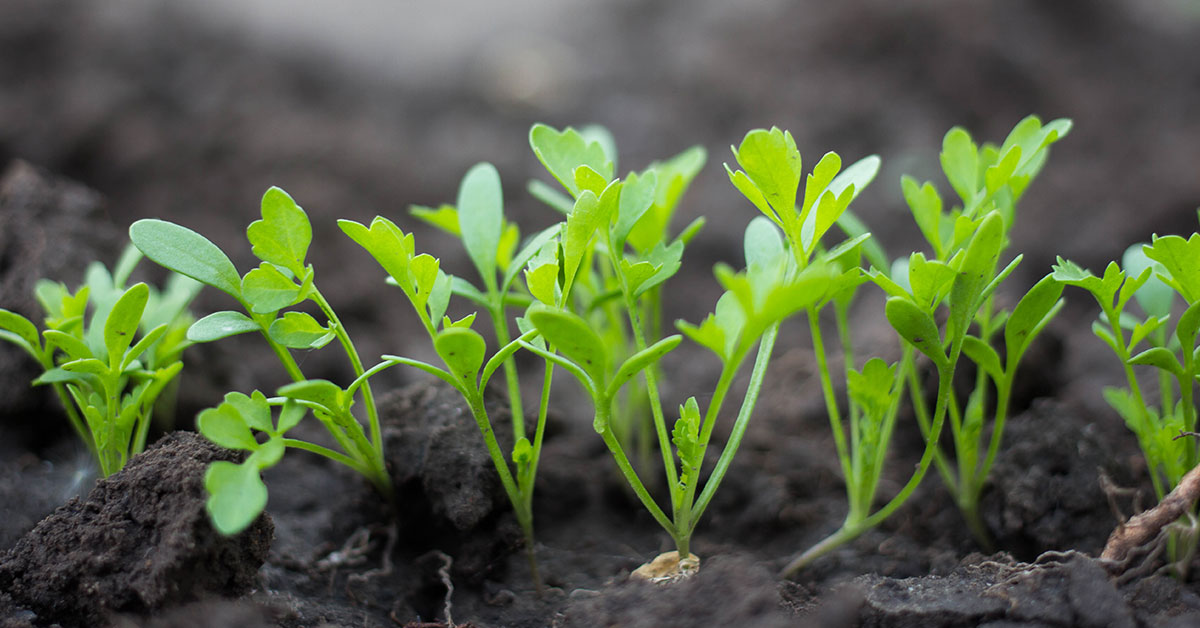

If you are looking for a flavorful and nutritious addition to your home garden, look no further than Apollo Arugula. This versatile and easy-to-grow green, also known as rocket or roquette, is a member of the Brassicaceae family and is packed with health benefits. With its distinct peppery taste and delicate texture, Apollo Arugula is not only a favorite among salad lovers, but it also adds a unique flavor to various culinary creations.
Whether you are a beginner or an experienced gardener, this article will provide you with all the information you need to successfully cultivate Apollo Arugula in your own backyard. From seed selection and planting techniques to caring for your plants and harvesting, we will guide you through every step of the way to ensure a bountiful and rewarding arugula-growing experience.
What is an Apollo Arugula?
The Apollo Arugula is a popular variety of arugula, also known as rocket or roquette. It is a leafy green plant that belongs to the Brassicaceae family, which includes other vegetables like broccoli, kale, and cabbage. The Apollo Arugula is known for its distinctive peppery flavor, which adds a unique zing to salads, sandwiches, and other dishes.
The leaves are tender, with a slightly thick texture, and can be harvested when they are young and tender for the best taste. This variety of arugula is relatively quick-growing and can be cultivated in both garden beds and containers. It prefers well-drained soil and thrives in full sun, although it can tolerate some shade. The plant reaches a height of about 8-12 inches and produces attractive small white flowers if allowed to bolt.
One of the advantages of growing Apollo Arugula is that it is relatively low-maintenance. It requires regular watering to keep the soil consistently moist but not waterlogged. Additionally, it is important to keep the arugula plants weed-free to prevent competition for nutrients and moisture. When planting Apollo Arugula, it is recommended to sow the seeds directly into the soil in early spring or late summer, as it prefers cooler temperatures.
The seeds should be sown thinly, about a ½ inch deep and spaced about 6-8 inches apart. Germination usually occurs within 7-10 days. Harvesting can begin when the leaves are around 2-3 inches long, usually around 4-6 weeks after sowing. You can either pick individual leaves as needed or cut the entire plant at once, about 1 inch above the soil level. Regular harvesting not only provides a continuous supply of fresh arugula but also promotes the growth of new leaves.
Overall, the Apollo Arugula offers a delicious and versatile addition to any garden or culinary repertoire. Its distinct flavor and ease of cultivation make it a popular choice among both beginner and experienced gardeners.
What does Apollo Arugula taste like?
The Apollo Arugula variety is known for its unique and delightful taste. When you take a bite of Apollo Arugula, you’ll experience a burst of peppery and slightly bitter flavors that are both refreshing and invigorating. The taste is often described as intense and robust, with a hint of nuttiness.
The leaves of Apollo Arugula are tender and crisp, providing a satisfying crunch with each bite. The flavor profile of this arugula variety is well-balanced, with just the right amount of spiciness to add depth to your dishes.
Apollo Arugula’s distinct taste pairs exceptionally well with a variety of ingredients, making it a versatile choice for incorporating into salads, sandwiches, and even cooked dishes. Its peppery flavor can provide a zesty kick to balance out milder ingredients, while its slightly bitter notes add complexity to any dish.
Overall, Apollo Arugula offers a bold and vibrant taste that adds a unique dimension to culinary creations, making it a popular choice among arugula enthusiasts and gardeners alike.
How to start from seed
Starting Apollo arugula is a relatively simple process. Here’s a step-by-step guide to help you get started:
- Choose the right time: Arugula prefers cooler temperatures, so it’s best to sow the seeds in early spring or late summer. This allows them to grow in milder conditions before the heat of summer or the frost of winter.
- Prepare the soil: Arugula thrives in well-draining soil with a pH between 6.0 and 7.0. Start by removing any weeds or debris from the planting area. Loosen the soil with a garden fork or tiller to a depth of about 6 inches, and mix in some compost or well-rotted manure to improve the soil fertility.
- Sow the seeds: Sprinkle the Apollo arugula seeds evenly over the prepared soil. You can either broadcast the seeds or sow them in rows about 1/4 inch deep. Arugula seeds are quite small, so it’s a good idea to mix them with a bit of sand or fine soil to help distribute them more evenly. Space the seeds about 1 inch apart, and if you’re sowing in rows, keep the rows about 6-8 inches apart.
- Lightly cover and water: After sowing the seeds, lightly cover them with a thin layer of soil or compost. Water the area gently but thoroughly to ensure the soil is evenly moist. Avoid overwatering, as excessive moisture can lead to rot or fungal diseases.
- Provide proper care: Arugula requires consistent moisture to germinate and grow well. Water the seedlings regularly to keep the soil moist but not waterlogged. Arugula prefers full sun but can tolerate partial shade, so choose a well-lit location for optimal growth.
- Thin the seedlings: Once the seedlings have grown a few inches tall and have several leaves, it’s time to thin them out. Space the plants about 4-6 inches apart to allow them enough room to grow and develop. Thin out the weaker seedlings, leaving only the strongest and healthiest ones.
- Harvesting: Apollo arugula is a fast-growing variety, and you can start harvesting the leaves as soon as they reach a suitable size, usually around 4-6 weeks after sowing. Harvest the outer leaves by cutting them near the base, leaving the inner leaves to continue growing. Regular harvesting encourages a continuous supply of fresh, tender leaves.
Remember to keep an eye out for pests like flea beetles, which can damage arugula plants. You can protect your crop by using row covers or organic pest control methods if necessary.
By following these steps, you should be able to successfully start and grow Apollo arugula in your garden. Enjoy the fresh, peppery flavors of this delicious green!
Planting and growing Apollo Arugula
To plant and grow Apollo Arugula, follow these steps:
- Choose the right time: Arugula is a cool-season crop, so it’s best to plant it in early spring or fall when temperatures are between 45-65°F (7-18°C). Avoid planting in the heat of summer.
- Select a suitable location: Arugula prefers a sunny spot but can tolerate some shade. Ensure the soil is well-drained and fertile. If the soil is heavy or clay-like, amend it with organic matter like compost to improve drainage.
- Prepare the soil: Remove any weeds or debris from the planting area. Loosen the soil using a garden fork or tiller to a depth of about 6-8 inches (15-20 cm). Break up any large clumps and remove rocks or roots.
- Sow the seeds: Sprinkle the arugula seeds evenly over the prepared soil. Aim for a spacing of about ½ inch (1.25 cm) between seeds. You can also create rows with a spacing of 12-18 inches (30-45 cm) apart. Lightly press the seeds into the soil, ensuring good seed-to-soil contact.
- Water the seeds: Use a gentle spray or watering can to moisten the soil thoroughly without causing excessive runoff. Keep the soil consistently moist but not waterlogged. Avoid overhead watering as it can increase the risk of disease.
- Provide regular care: Once the seedlings emerge, thin them to maintain a spacing of 4-6 inches (10-15 cm) between plants. This allows them to grow and develop properly. Regularly water the plants, ensuring the soil remains evenly moist. Arugula doesn’t require much fertilization, but you can apply a balanced organic fertilizer if the soil lacks nutrients.
- Harvesting: Apollo Arugula is ready for harvest in about 40-50 days from sowing, depending on the desired leaf size. You can harvest the outer leaves when they reach 4-6 inches (10-15 cm) in length. For continuous harvest, pick the outer leaves while allowing the inner leaves to grow.
- Pest and disease management: Arugula is generally resistant to pests and diseases. However, keep an eye out for aphids, flea beetles, or slugs. Use organic pest control methods such as handpicking, neem oil spray, or introducing beneficial insects to manage them.
By following these steps, you should be able to successfully plant and grow Apollo Arugula in your garden. Enjoy your fresh and flavorful harvest!
When to harvest
The best time to harvest Apollo Arugula is when the leaves are young and tender, typically around 35 to 45 days after sowing the seeds. The leaves should be about 4 to 6 inches long and have a deep green color. It’s important to harvest the leaves before they start to bolt and become bitter. Regular harvesting, by picking individual leaves or cutting the whole plant about an inch above the soil, will encourage new growth and ensure a continuous harvest throughout the growing season.