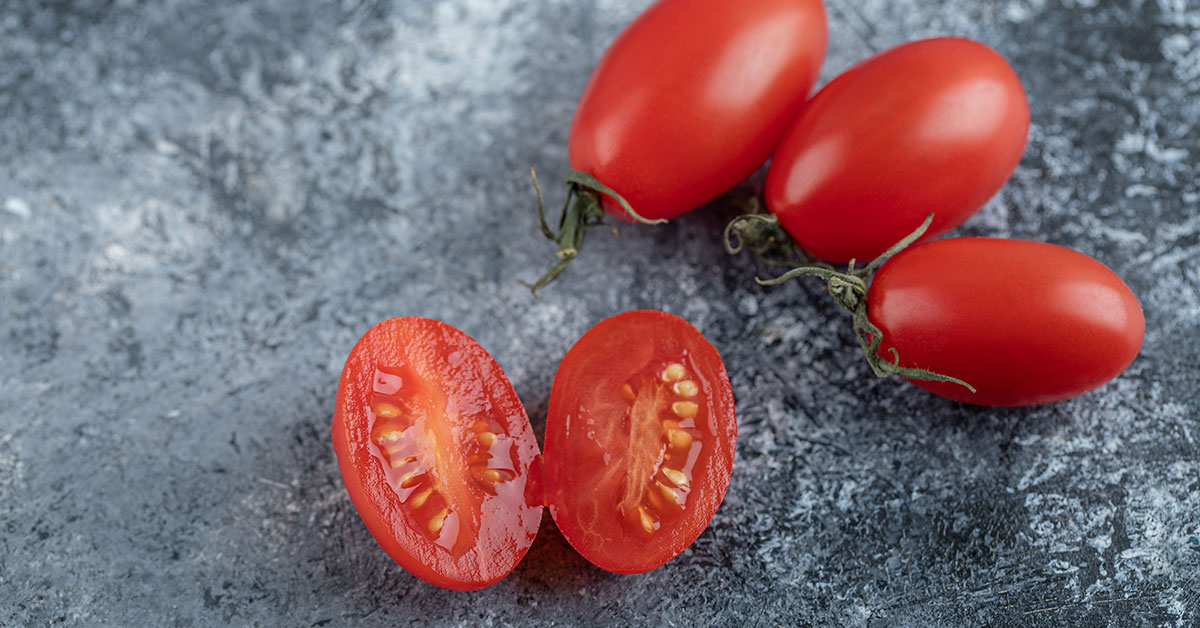

The Amish Paste tomato is a unique variety of tomato that has gained popularity among gardeners and food enthusiasts alike. Originally cultivated by the Amish community in the United States, this tomato has a distinct flavor and texture that sets it apart from other tomatoes. It is a versatile fruit that can be used in a variety of dishes, from fresh salads to homemade sauces. In this blog, we will explore the history, growing tips, and culinary uses of the Amish Paste tomato.
What is an Amish Paste tomato?
Amish Paste tomato is a popular heirloom variety of tomatoes that originated from the Amish community. This tomato variety is known for its meaty texture, sweet flavor, and versatility in the kitchen. It is an indeterminate type of tomato plant, which means it can grow up to six feet tall and produce fruit throughout the growing season.
The Amish Paste tomato is a large, plum-shaped tomato that is perfect for making sauces, purees, and canning. It has a thick skin that makes it easy to handle and peel, and its flesh is dense and juicy. The tomato is also popular among home gardeners due to its high yield, disease resistance, and ability to withstand adverse weather conditions.
The Amish Paste tomato has a rich history, dating back to the early 1900s when it was first cultivated by the Amish community in the United States. Over time, this tomato variety has gained popularity among food enthusiasts and chefs for its unique flavor and cooking properties.
Whether you are a home gardener, a professional chef, or simply a tomato lover, the Amish Paste tomato is a must-try. Its versatility and rich flavor make it a perfect addition to any dish, and its high yield and disease resistance make it a dependable plant for your garden.
How to start Amish Paste tomatoes from seed
Starting tomatoes from seed is a cost-effective and rewarding way to grow your own tomato plants. To begin, choose the tomato varieties that suit your preferences and growing conditions.
Fill seed trays or pots with a lightweight and well-draining seed starting mix, plant the seeds at the recommended depth, and provide adequate moisture and warmth for germination.
Once the seedlings have developed their second set of true leaves, they can be transplanted into larger containers or individual pots. Gradually acclimate the seedlings to outdoor conditions before transplanting them into the garden.
By following these basic steps, you can successfully start tomatoes from seed and enjoy a thriving crop of homegrown tomatoes.
Additional Resource: Our comprehensive guide to starting tomatoes from seed
Growing & care
Transplanting and caring for tomatoes outdoors involves a few essential steps. First, choose a sunny location with well-drained soil. Prior to transplanting, harden off the seedlings by gradually exposing them to outdoor conditions.
Dig a hole slightly larger than the root ball of each seedling and plant them, burying the stem up to the first set of leaves. Water the seedlings thoroughly after transplanting. Provide consistent watering, aiming for 1-2 inches of water per week.
Stake or cage the plants for support and prune indeterminate varieties by removing suckers. Monitor for pests and diseases, taking prompt action if necessary. By following these steps, you’ll set your tomato plants up for healthy growth and a fruitful harvest.
Additional Resource: How to transplant and care for tomatoes outdoors
Common tomato pests and diseases
Tomatoes are susceptible to various pests and diseases that can affect their health and productivity. Some common tomato pests include aphids, tomato hornworms, whiteflies, and cutworms. These pests can cause damage to leaves, stems, and fruit, leading to reduced plant vigor and yield.
Additionally, tomato plants can be affected by diseases such as early blight, late blight, fusarium wilt, and verticillium wilt. These diseases can cause leaf discoloration, wilting, and fruit rot. Proper identification and timely intervention are crucial to effectively manage these pests and diseases and ensure the successful growth of tomato plants.
Additional Resource: Comprehensive list of tomato diseases and pests and how to fix them
Common problems
When it comes to growing Amish Paste tomatoes, gardeners may encounter a few common problems that can affect the plant’s health and productivity. Here are some of the most common issues and tips for addressing them:
- Blossom-end rot: This is a common problem in tomatoes that causes the fruit to develop a dark, sunken spot on the bottom. It’s caused by a calcium deficiency in the plant, which can occur if the soil pH is too low or if the plant is not receiving enough water. To prevent blossom-end rot, make sure to keep the soil consistently moist, and consider adding calcium supplements to the soil.
- Powdery mildew: This fungal disease can appear as a white or gray powdery coating on the leaves and stems of the tomato plant. It’s more likely to occur in humid conditions, so make sure to provide good air circulation and avoid overcrowding the plants. If powdery mildew does appear, you can treat it with a fungicide or by cutting off the affected parts of the plant.
- Tomato hornworms: These large green caterpillars can quickly strip a plant of its leaves and fruit. Look for their telltale droppings on the leaves and branches, and handpick them off the plant if you see them. You can also use organic insecticides or companion planting to deter hornworms.
- Tomato fruitworms: These small worms can burrow into the fruit and cause it to rot from the inside out. To prevent fruitworms, you can use insecticides or cover the plants with row covers to keep the moths that lay the eggs away.
- Early blight: This fungal disease can cause leaves to yellow and eventually die off. It’s more likely to occur in humid conditions, so make sure to provide good air circulation and avoid overcrowding the plants. You can also use fungicides or remove affected leaves to prevent the spread of the disease.
By being aware of these common problems and taking steps to prevent them, you can enjoy a bountiful harvest of Amish Paste tomatoes.
Uses for Amish Paste tomatoAmish Paste tomatoes are known for their meaty texture and sweet flavor. These tomatoes are typically used for making sauces, pastes, and purees. Due to their thick flesh and low seed count, they are ideal for canning and preserving.
Many home gardeners and farmers enjoy growing Amish Paste tomatoes because of their versatility in the kitchen. They can be used in a variety of recipes, including salsas, soups, stews, and even on pizzas.
Amish Paste tomatoes are also a popular choice for making ketchup. Their high sugar content and low acidity make them a great choice for creating a rich, flavorful ketchup that is perfect for dipping fries or adding to burgers.
Overall, Amish Paste tomatoes are a great choice for anyone who loves to cook and preserve their own food. They are versatile, easy to grow, and produce high yields, making them a great addition to any garden or farm.