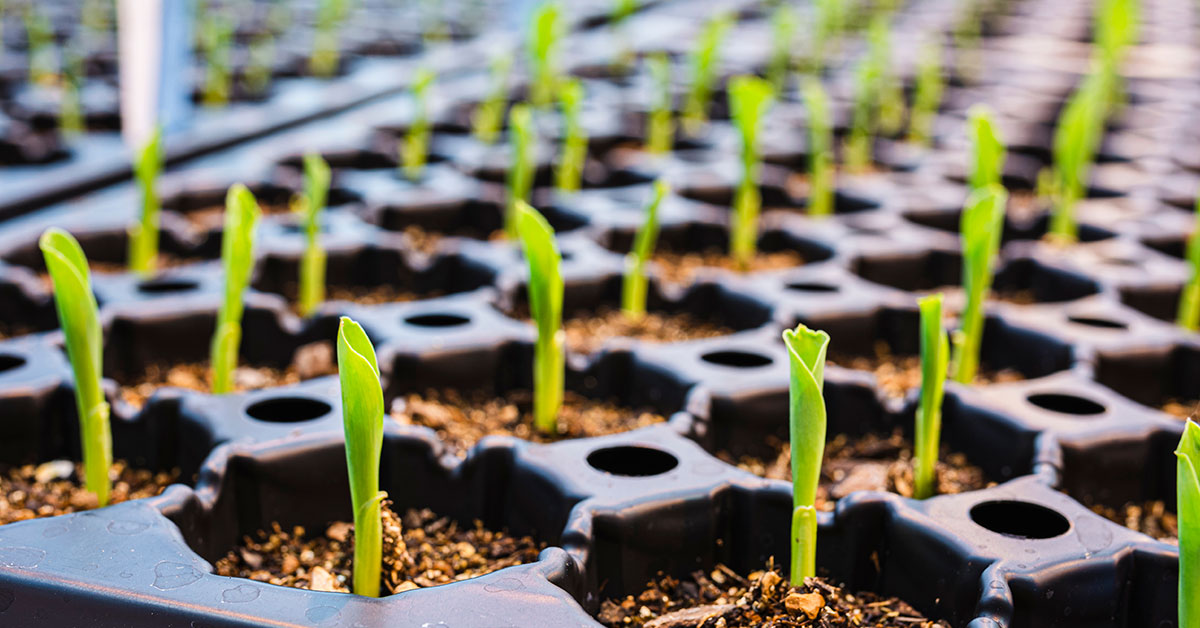

Welcome to the world of Ambrosia Corn, a delightful and flavorful variety that will surely elevate your gardening experience. Known for its exceptional taste and tender kernels, Ambrosia Corn is a popular choice among gardeners who crave a sweet and savory treat straight from their backyard.
In this article, we will guide you through the process of growing Ambrosia Corn, from selecting the right seeds to nurturing the plants and harvesting the bountiful ears. Whether you are a seasoned gardener or a beginner with a green thumb, this comprehensive guide will equip you with the knowledge and techniques needed to cultivate a successful Ambrosia Corn crop.
So, let’s dive in and discover the secrets to growing this delectable corn variety that will undoubtedly become a highlight of your garden and dinner table.
What is Ambrosia Corn?
Ambrosia corn, also known as Ambrosia sweet corn, is a popular variety of corn known for its exceptional taste and unique appearance. This hybrid corn plant typically reaches a height of 6 to 7 feet and produces multiple ears per stalk.
The ears are medium-sized, measuring around 7 to 8 inches in length, and are characterized by their vibrant yellow color with white and pale yellow kernels. What sets Ambrosia corn apart is its remarkable sweetness and tenderness.
The kernels are juicy and bursting with flavor, making it a favorite among corn enthusiasts. This variety is also known for its excellent shelf life, allowing for extended enjoyment of its delicious taste. Ambrosia corn is relatively easy to grow and thrives in full sun and well-drained soil.
It requires regular watering and benefits from the addition of organic matter to the soil. With proper care, Ambrosia corn can be harvested in approximately 75 to 80 days after planting, providing a delectable addition to summer meals and barbecues.
What does Ambrosia Corn taste like?
Ambrosia corn is known for its exceptional flavor profile that sets it apart from other corn varieties. Its taste can be described as sweet, creamy, and slightly nutty, making it a favorite among corn enthusiasts.
The sweetness of Ambrosia corn is often compared to that of sugar, making it a delightful treat for those with a sweet tooth. The creaminess of the kernels adds a smooth and rich texture to each bite, enhancing the overall eating experience.
Additionally, Ambrosia corn has a subtle nutty undertone that adds depth and complexity to its flavor. This unique combination of sweetness, creaminess, and nuttiness makes Ambrosia corn a truly delectable choice for corn lovers. Whether enjoyed fresh off the cob or incorporated into various dishes, Ambrosia corn is sure to please the taste buds with its delightful flavor profile.
How to start Ambrosia Corn from seed
To start growing Ambrosia Corn, you’ll need to follow a few steps. First, choose a suitable location in your garden that receives full sun for at least 6 to 8 hours a day. Prepare the soil by loosening it with a garden fork or tiller and removing any weeds or debris.
It’s important to ensure the soil is well-draining and rich in organic matter. Next, sow the corn seeds directly into the soil, spacing them about 12 to 18 inches apart in rows that are 30 to 36 inches apart. Plant the seeds about 1 to 2 inches deep, covering them with soil and gently firming it down. Water the area thoroughly after planting to ensure good seed-to-soil contact.
Keep the soil consistently moist, but not waterlogged, throughout the growing season. As the corn plants start to grow, it’s essential to provide them with adequate nutrients. Side-dress the plants with a balanced fertilizer when they are about 12 inches tall and again when they are tasseling.
Additionally, consider applying a layer of organic mulch around the plants to help retain moisture and suppress weed growth. Lastly, monitor the plants for any signs of pests or diseases, such as corn borers or rust. If necessary, take appropriate measures to control these issues.
Harvest the corn when the ears are fully filled out and the silks have turned brown, usually around 20 to 25 days after the silks appear. Enjoy the sweet and flavorful Ambrosia Corn either fresh or preserved for later use.
When to plant Ambrosia Corn outdoors
The ideal time to plant Ambrosia Corn is during the spring season when the soil has warmed up and the danger of frost has passed. Typically, this is around late April to early May, depending on your specific location and climate. It is important to wait until the soil temperature reaches at least 50°F (10°C) for optimal germination and growth.
Planting too early, when the soil is still cold, can result in poor seed germination and stunted growth. On the other hand, planting too late can lead to a shorter growing season and reduced yield. It is also important to consider the average last frost date in your area and ensure that it has passed before planting Ambrosia Corn.
By planting at the right time, you can give your corn plants the best chance to thrive and produce a bountiful harvest.
Growing & care guide
Caring for Ambrosia Corn requires attention to several key factors. First, it is crucial to provide the corn with a well-drained soil that is rich in organic matter. This can be achieved by incorporating compost or well-rotted manure into the planting area before sowing the seeds. Additionally, Ambrosia Corn thrives in full sun, so ensure that the planting location receives at least six to eight hours of direct sunlight each day. Adequate watering is essential for the growth and development of the corn plants. It is recommended to water deeply and consistently, aiming for approximately one inch of water per week. Mulching around the base of the plants can help retain moisture and suppress weed growth. As the corn plants grow, it is important to provide support to prevent them from falling over in strong winds. This can be done by gently tying the stalks to stakes or using a trellis system. Lastly, regular fertilization is necessary to promote healthy growth and maximize yield. Apply a balanced fertilizer, such as a 10-10-10, every three to four weeks during the growing season. By following these best practices, you can ensure the successful growth and productivity of your Ambrosia Corn plants.
Harvesting guide
Harvesting Ambrosia Corn requires careful timing and attention to detail. The ideal time to harvest this sweet and flavorful corn variety is when the ears are fully matured but still in their peak freshness. To determine this, keep an eye on the corn’s silk, which should turn brown and dry out.
Additionally, gently press your thumbnail into a kernel; if a milky substance is released, it indicates that the corn is ready for harvest. When harvesting, firmly grasp the ear and swiftly pull it downward, twisting it slightly to detach it from the stalk. Avoid yanking or pulling too forcefully, as this can damage the plant.
Once harvested, it is crucial to consume or store the corn as soon as possible to preserve its taste and quality. If you plan to store it, remove the husks and silk, then blanch the ears in boiling water for a few minutes before cooling them in ice water.
Afterward, drain and dry the corn thoroughly, then pack it in airtight containers or freezer bags before placing it in the freezer. By following these guidelines, you can enjoy the delicious taste of Ambrosia Corn long after the harvest season.