
The Allstar Strawberry is an exceptional plant to have in your garden and is renowned for its incredible flavor and abundant harvests.
Whether you’re an experienced gardener or a novice looking to try your hand at growing berries, the Allstar Strawberry is a fantastic choice.
We will explore the key characteristics of the Allstar Strawberry and provide you with valuable tips on how to successfully grow this delectable fruit in your own backyard.
What is Allstar Strawberry?
The Allstar Strawberry is a large, juicy, and vibrant red fruit that is known for its exceptional flavor. Its size is noticeably larger than most other strawberry varieties, making it a delightful treat for both the eyes and taste buds. The berries have a firm yet tender texture, and their glossy exterior adds to their overall appeal. The Allstar Strawberry’s appearance is truly a sight to behold.
What truly sets the Allstar Strawberry apart is its exceptional flavor. It is known for its perfect balance between sweetness and tartness, making it a versatile fruit that can be enjoyed in various culinary creations. The natural sweetness of the Allstar Strawberry is often described as intense and succulent, with a hint of acidity that adds depth to its taste.
Allstar Strawberries are typically grown in temperate climates, thriving in areas with full sun exposure. They require well-drained soil and regular watering to ensure optimal growth. These strawberries are known for their hardiness and ability to withstand a wide range of temperature fluctuations, which makes them a popular choice for home gardeners and commercial growers alike.
The Allstar Strawberry is known for its extended harvesting season, providing a longer window of opportunity to enjoy these delectable fruits. Depending on the region and specific growing conditions, the harvest typically begins in late spring and can continue well into early summer. The extended season allows for a plentiful supply of Allstar Strawberries, ensuring that strawberry lovers can indulge in their favorite fruit for an extended period.
The Allstar Strawberry’s exceptional flavor makes it a versatile ingredient in various culinary creations. Whether used in pies, tarts, jams, or smoothies, the Allstar Strawberry adds a burst of freshness and sweetness to any dish. Its large size also makes it an excellent choice for chocolate-dipping or using as a decorative garnish for cakes and desserts. The possibilities are endless when it comes to incorporating Allstar Strawberries into your favorite recipes.
What does an Allstar Strawberry taste like?
When it comes to strawberries, there are countless varieties to choose from. One particularly popular variety is the Allstar Strawberry. Known for its vibrant red color and juicy texture, the Allstar Strawberry is a favorite among berry enthusiasts. But what does this delicious fruit actually taste like?
The Allstar Strawberry is often described as having a sweet and slightly tangy flavor profile. Its natural sweetness is what makes it such a delightful treat to eat on its own or add to various dishes. When you take a bite of an Allstar Strawberry, you can expect a burst of juicy sweetness that is both refreshing and satisfying.
Unlike some other strawberry varieties, the Allstar Strawberry strikes a perfect balance between sweetness and tartness. This balance makes it versatile enough to be enjoyed in a variety of ways. Whether you prefer to eat them fresh, use them in desserts, or incorporate them into savory dishes, the Allstar Strawberry flavor will complement and enhance your culinary creations.
One of the reasons why the Allstar Strawberry is highly regarded is its intense aroma. The sweet, fragrant smell that emanates from these strawberries is enough to make your mouth water. It’s almost impossible to resist reaching for one as soon as you catch a whiff of its enticing scent.
Furthermore, the Allstar Strawberry’s texture is worth mentioning. It is firm yet tender, making it enjoyable to bite into. The juicy flesh of the strawberry adds an extra layer of pleasure to the eating experience.
Whether you’re a strawberry lover or someone who is curious to try different varieties, the Allstar Strawberry is definitely a must-try. With its sweet and tangy flavor, intense aroma, and delightful texture, it’s no wonder why this strawberry is a favorite among fruit enthusiasts. So, the next time you come across Allstar Strawberries at your local grocery store or farmer’s market, be sure to grab a few and indulge in their deliciousness.
How to start from seed
While it may seem daunting at first, growing Allstar strawberries from seed is a rewarding and cost-effective way to have a bountiful harvest. These instructions will guide you through the step-by-step process of starting Allstar strawberries from seed.
- Choosing the Right Seeds:
To begin, it’s important to choose high-quality Allstar strawberry seeds from a reputable source. Look for seeds that are fresh, viable, and specifically labeled as Allstar strawberries. You can find these seeds at garden centers, nurseries, or online seed catalogs. It’s crucial to select seeds that are specifically bred for your growing region, as this will ensure better adaptation and a higher chance of success. - Germination:
Before sowing the seeds, it’s recommended to stratify them. Stratification is the process of subjecting the seeds to a period of cold, moist conditions to break their dormancy. To stratify Allstar strawberry seeds, place them in a sealed plastic bag along with a damp paper towel. Keep the bag in the refrigerator for about 4-6 weeks. This will simulate the natural winter conditions the seeds need to germinate. - Seed Starting Mix and Containers:
Prepare a well-draining seed starting mix by combining equal parts of peat moss, perlite, and vermiculite. Fill seed trays or small pots with this mixture, leaving about half an inch of space at the top. Make sure the containers have drainage holes to prevent waterlogging. - Sowing the Seeds:
Remove the stratified Allstar strawberry seeds from the refrigerator and sow them on the prepared seed starting mix. Gently press the seeds onto the surface, ensuring good seed-to-soil contact. It’s important not to bury the seeds too deep, as they require light for germination. Lightly mist the surface with water to moisten the seeds. - Providing Optimal Growing Conditions:
Allstar strawberries prefer cool temperatures to germinate and grow. Place the seed trays or pots in a location that receives indirect sunlight or under grow lights. Maintain a consistent temperature of around 60-70°F (15-21°C) during the germination process. Keep the soil evenly moist but not waterlogged, as excessive moisture can lead to fungal diseases. - Transplanting:
After 4-6 weeks, the Allstar strawberry seedlings should have developed their first true leaves. At this stage, they are ready to be transplanted into individual pots or containers. Gently lift the seedlings from the tray using a spoon or transplanting tool, being careful not to damage the delicate roots. Plant them in well-draining soil, spacing them about 12-18 inches apart to allow for proper air circulation.
How to grow this fruit in your garden
Allstar strawberries are a popular variety of strawberries known for their large size, exceptional flavor, and high yield. Whether you are a seasoned gardener or a novice, growing Allstar strawberries can be a rewarding experience.
- Choosing the Right Location:
The first step in successfully growing Allstar strawberries is selecting the ideal location for your strawberry patch. These plants thrive in full sun, so choose a spot in your garden that receives at least 6-8 hours of direct sunlight each day. Ensure that the area has well-draining soil to prevent waterlogging, as strawberries prefer moist but not waterlogged conditions. - Preparing the Soil:
Before planting your Allstar strawberries, it’s crucial to prepare the soil properly. Start by removing any weeds, rocks, or debris from the area. Then, amend the soil with organic matter such as compost or well-rotted manure to improve its fertility. Mix the organic matter into the top 6-8 inches of soil to create a nutrient-rich base for your strawberry plants. - Planting Allstar Strawberries:
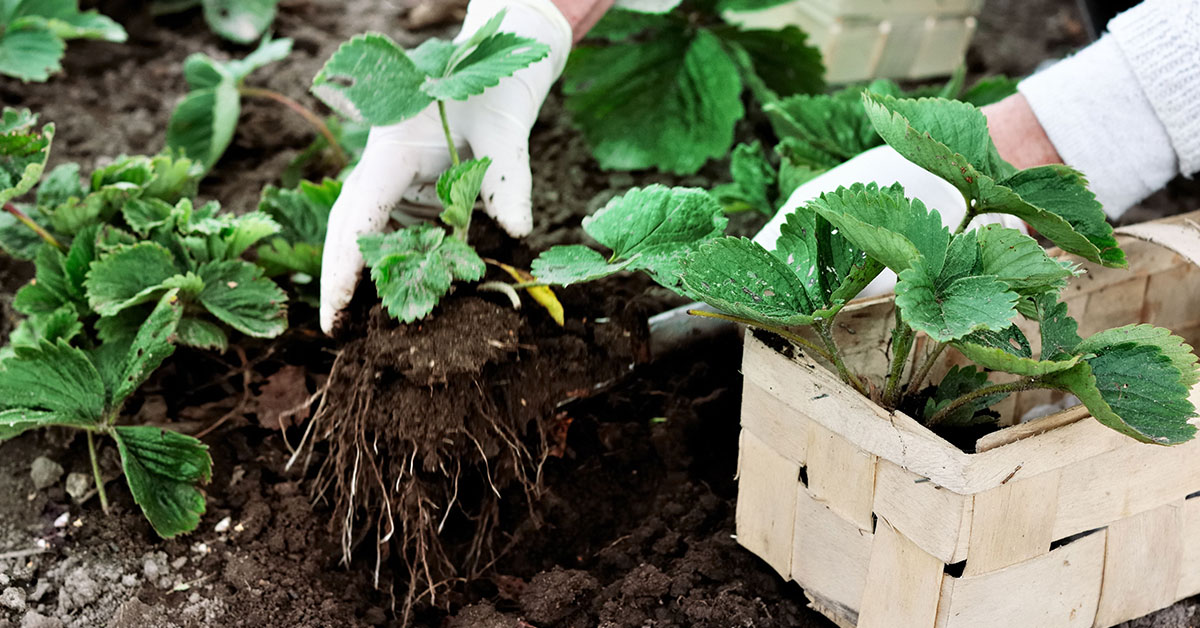
Allstar strawberries can be grown from bare-root plants or transplants purchased from a nursery. If using bare-root plants, soak them in water for a few hours before planting to rehydrate the roots. Dig holes that are wide and deep enough to accommodate the roots without bending or crowding them. Place the plants in the holes, ensuring that the crown (the point where the roots meet the stem) is level with the soil surface. Firmly tamp down the soil around the plants and water them thoroughly. - Watering and Mulching:
Strawberries require consistent moisture to thrive, especially during the growing season. Water your Allstar strawberries regularly, aiming to keep the soil evenly moist but not overly saturated. To help retain moisture and suppress weed growth, apply a layer of organic mulch, such as straw or wood chips, around the plants. This will also prevent the berries from coming into contact with the soil, reducing the risk of rot. - Fertilizing and Pruning:
Allstar strawberries benefit from regular fertilization to sustain their growth and fruit production. Apply a balanced organic fertilizer according to the package instructions, preferably in early spring and again after the first harvest. Additionally, it’s essential to prune your strawberry plants to maintain their health and productivity. Remove any yellowing or damaged leaves, as well as runners (long stems that spread out from the main plant) to redirect the plant’s energy towards fruit production. - Pest and Disease Management:
Like any other plant, Allstar strawberries can be susceptible to certain pests and diseases. Regularly inspect your plants for signs of common issues such as aphids, slugs, or fungal infections. Use organic pest control methods or consult with your local garden center for appropriate solutions. - Harvesting Allstar Strawberries:
Finally, the most rewarding part of growing Allstar strawberries is harvesting the ripe, juicy berries. Wait until the berries are fully red and have reached their maximum size before picking them. Gently twist or cut the berries from the plants, being careful not to damage the surrounding foliage. Enjoy them fresh on their own, or use them in delicious recipes such as strawberry shortcake or homemade jam.
Growing Allstar strawberries can be a delightful and fulfilling gardening experience. By following these steps, you can create a thriving strawberry patch in your own backyard and enjoy the sweet taste of your homegrown Allstar strawberries.