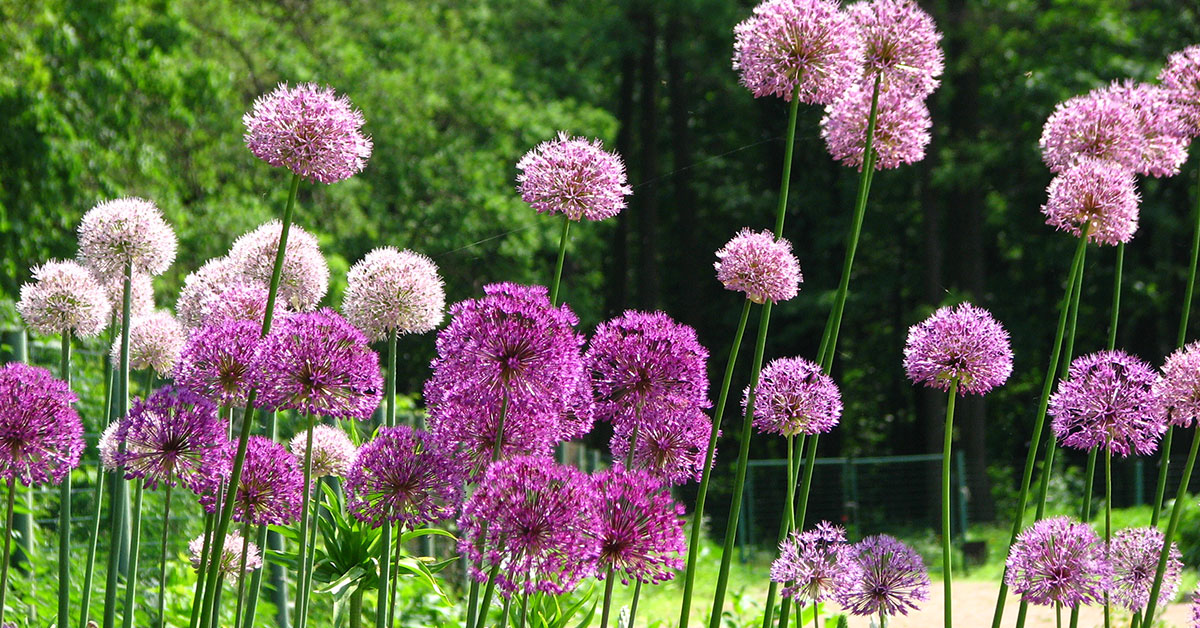

Allium is a genus of plants that includes over 800 species, commonly known as onions, garlic, leeks, chives, and more. These plants are not only essential ingredients in many of our favorite dishes, but they also offer a range of health benefits.
Alliums are known for their pungent aroma and flavor, but they are also packed with vitamins, minerals, and antioxidants that can help protect against disease and promote overall health.
What is an Allium?
Allium is a plant genus that belongs to the Amaryllidaceae family and includes over 800 species. It is commonly known as the onion genus due to the strong resemblance of its plants to onions. Allium is native to the Northern Hemisphere and is widely distributed across Asia, Europe, and North America.
The plants of the Allium genus are characterized by their distinctive spherical or umbrella-shaped flower heads that bloom in late spring or early summer. These flowers are typically pink, purple, or white in color and are highly attractive to bees, butterflies, and other pollinators. Allium plants are popular among gardeners due to their ornamental value, culinary uses, and medicinal properties.
Where is Allium native?
Allium is a genus of flowering plants that includes hundreds of different species. These plants are known for their distinctive globe-shaped flowers and their pungent, onion-like scent. While Allium is a popular ornamental plant in gardens around the world, it is also found growing wild in many regions. In this blog, we will take a closer look at where Allium is native, including which US states.
Allium is native to many parts of the world, including Europe, Asia, and North America. It is one of the most widely distributed plant genera in the world. In North America, Allium is particularly common in the western United States, where it is found growing in a wide range of habitats, from deserts to mountain meadows.
In the US, Allium is native to many states, including California, Oregon, Washington, Idaho, Montana, Wyoming, Colorado, Utah, Arizona, New Mexico, Texas, Oklahoma, Kansas, Nebraska, South Dakota, North Dakota, Minnesota, Wisconsin, Michigan, New York, and Maine. Allium species are also found in many other parts of the world, including Europe, Asia, and Africa.
They are hardy plants that can grow in a range of conditions, from full sun to partial shade, and in a variety of soil types. It is well-suited to rock gardens, borders, and naturalized areas, where it can add color and interest to the landscape.
Ultimately, Allium is a versatile and beautiful plant that can thrive in a wide range of environments. Whether you are looking to add some color to your garden or simply enjoy the beauty of these unique flowers, Allium is a great choice.
How to start from seed
Alliums are one of the most versatile and easy-to-grow plants, making them a popular choice for gardeners of all levels. They come in a variety of sizes, colors, and shapes, from the tiny chive to the giant Allium giganteum. While Alliums can be grown from bulbs, starting them from seed can be a rewarding and cost-effective option. Here’s how to get started:
Choose the right time to sow Allium seeds: Allium seeds should be sown in early spring, around the same time you would plant other cool-season crops like lettuce or peas. The soil temperature should be at least 50°F (10°C) for the seeds to germinate. In warmer climates, Alliums can also be sown in the fall.
Prepare the soil: Alliums prefer well-draining soil that is rich in organic matter. Prepare the soil by tilling or digging to a depth of at least 6 inches (15 cm). Add compost or well-rotted manure to the soil to improve its fertility.
Sow the seeds: Sow the Allium seeds thinly, about 1/4 inch (6 mm) deep, and cover with a light layer of soil. Space the seeds about 4-6 inches (10-15 cm) apart to allow the plants to spread. Water the soil gently to keep it moist but not soggy.
Provide the right growing conditions: Alliums prefer full sun but will tolerate partial shade. Water the plants regularly, especially during dry spells, and fertilize them with a balanced fertilizer once a month. Alliums are generally pest-resistant, but keep an eye out for slugs and snails.
Transplant the seedlings: Once the Allium seedlings have grown to about 2-3 inches (5-8 cm) tall, they can be transplanted to their permanent location in the garden. Choose a spot with well-draining soil and plenty of sun. Space the plants about 6-8 inches (15-20 cm) apart.
Starting Allium from seed is a rewarding process that allows you to grow a wide variety of Alliums at a fraction of the cost of buying bulbs. With the right growing conditions, you can enjoy the beauty and versatility of Alliums in your garden year after year.
How to grow this plant in your garden
Alliums are beautiful and versatile plants that are easy to grow in your garden. These plants are part of the onion family and are known for their distinctive globe-shaped flower heads that bloom in a variety of vibrant colors. If you’re interested in growing alliums in your garden, here’s how to get started:
- Choose a planting location: Alliums prefer a sunny location with well-draining soil. They can be planted in a variety of soil types, but they do best in soil that is slightly acidic to neutral.
- Plant your bulbs: Alliums are typically planted in the fall, around September or October, so that they can establish their roots before winter sets in. Make sure to plant your bulbs 2-3 times their height deep, with the pointed end facing up.
- Water your bulbs: After planting your bulbs, be sure to give them a good watering. This will help them establish their roots and prepare for winter.
- Fertilize your bulbs: Alliums benefit from a balanced fertilizer, like 10-10-10, which can be applied in the spring when new growth appears.
- Cut back foliage: Once the alliums have finished blooming, cut back the foliage to the ground. This will help the plant conserve energy for next year’s growth.
- Divide your bulbs: Alliums can become overcrowded over time, so it’s important to divide them every few years. To do this, dig up the bulbs and separate them into smaller groups, then replant them in a new location.
Interesting facts about Allium
Allium, commonly known as the onion family, is a genus of flowering plants that includes garlic, onions, chives, and leeks. These plants are not only used as culinary ingredients but also have various medicinal properties. Here are some interesting facts about Allium:
- The word “Allium” is derived from the Latin word “allium,” which means garlic.
- Alliums have been used for centuries for their medicinal properties, including treating wounds, infections, and digestive problems.
- The ancient Egyptians worshiped Alliums as sacred plants, and they were often used in their religious ceremonies.
- Alliums are known for their distinctive smell and taste, which is due to the presence of sulfur compounds. These compounds are responsible for the pungent aroma of garlic and onions.
- Some Allium plants, such as garlic and onion, have been shown to have anti-inflammatory and anti-cancer properties.
- Alliums are believed to have originated in central Asia and have been cultivated for thousands of years.
- Alliums are very easy to grow and can be grown in a variety of conditions, from sunny gardens to pots on a windowsill.
- Alliums are popular with pollinators such as bees and butterflies, making them a great addition to any garden.
- Alliums come in many different varieties, from small chives to giant alliums that can grow up to four feet tall.
- Alliums have also been used in folklore and superstition, with garlic being associated with warding off evil spirits and vampires.
Alliums are a fascinating genus of plants with a rich history and many uses. From culinary ingredients to medicinal properties, Alliums are versatile and valuable plants that are worthy of our attention.