

Most gardeners know plants compete for sunlight and water. Fewer realize that some plants wage a far more sophisticated battle, one fought entirely with chemistry, silently, continuously, and completely out of sight. Beneath the surface of what looks like peaceful soil, some species are releasing compounds specifically designed to prevent their neighbors from thriving.
Allelopathy, derived from the Greek words “allelo” meaning “each other” and “pathy” meaning “suffering,” describes how certain plants release biochemical compounds that influence the growth, survival, and reproduction of neighboring plants. It’s a phenomenon that has been reshaping plant communities since long before humans started gardening, and researchers are only now beginning to understand just how layered and strategic this underground chemistry really is.
A Phenomenon Older Than Science Itself
Humans have noticed allelopathy for thousands of years, even without a name for it. The observation of allelopathic plant suppression is not new. Theophrastus observed that chickpea reduced nearby weed growth as early as 300 B.C. Roman authors wrote about walnut trees being harmful to nearby plants well before the modern era.
The Austrian botanist Hans Molisch, who coined the term allelopathy in 1937, indicated that he meant it to include toxicities exerted by microorganisms such as bacteria, actinomycetes, and fungi, as well as by higher plants. That broader definition turned out to be important, because the chemistry happening in soil is rarely just a two-party conversation.
Plants have evolved an assortment of chemical adaptations that integrate environmental cues with developmental processes to regulate growth and reproduction. A subset of these phytochemicals may be considered allelopathic adaptations if they enhance fitness by suppressing competition for limiting resources. In other words, this is evolution at work, refined over millions of years.
What Allelochemicals Actually Are
Allelopathy is defined as the biological phenomenon by which an organism produces biochemicals called allelochemicals that influence the growth, survival, development, or reproduction of other organisms. These are not accidental byproducts of plant metabolism. They are targeted, functional tools.
At the heart of allelopathy lies the production and release of allelochemicals, bioactive compounds synthesized by plants that can influence the growth, germination, and metabolism of other plants. These allelochemicals may be exuded through roots, leaves, flowers, or other plant parts, permeating the soil or air to exert their effects on neighboring vegetation. Common classes of allelochemicals include phenolics, terpenoids, alkaloids, and cyanogenic compounds, each with specific properties and modes of action.
Allelochemicals are a subset of secondary metabolites, which are not directly required for the metabolism, growth, development, and reproduction of the allelopathic organism. Their role is purely competitive, making them a kind of botanical secret weapon.
How Plants Deliver Their Chemical Arsenal
Plants exhibit allelopathy through the release of chemicals called allelochemicals. These can be released into the environment via root exudation, leaf litter decomposition, volatilization, or leaching from leaves. Each delivery route serves a different strategic purpose in the plant’s competitive environment.
Some exude compounds directly from their roots during active growth, creating a toxic zone in the soil that inhibits competitors. Others release their arsenal more gradually, as their residues decompose after harvest, releasing compounds that can suppress specific weed species for months afterward.
Methyl jasmonate, in particular, is highly effective at preventing the germination of native tobacco seeds. Furthermore, when sagebrush is subjected to herbivory, it releases up to 1,000 times more of this compound, which further suppresses the germination of nearby plant species. This phenomenon demonstrates how plants use chemical signals to influence interspecific competition and improve their chances of survival.
The Black Walnut: Gardening’s Most Famous Chemical Aggressor
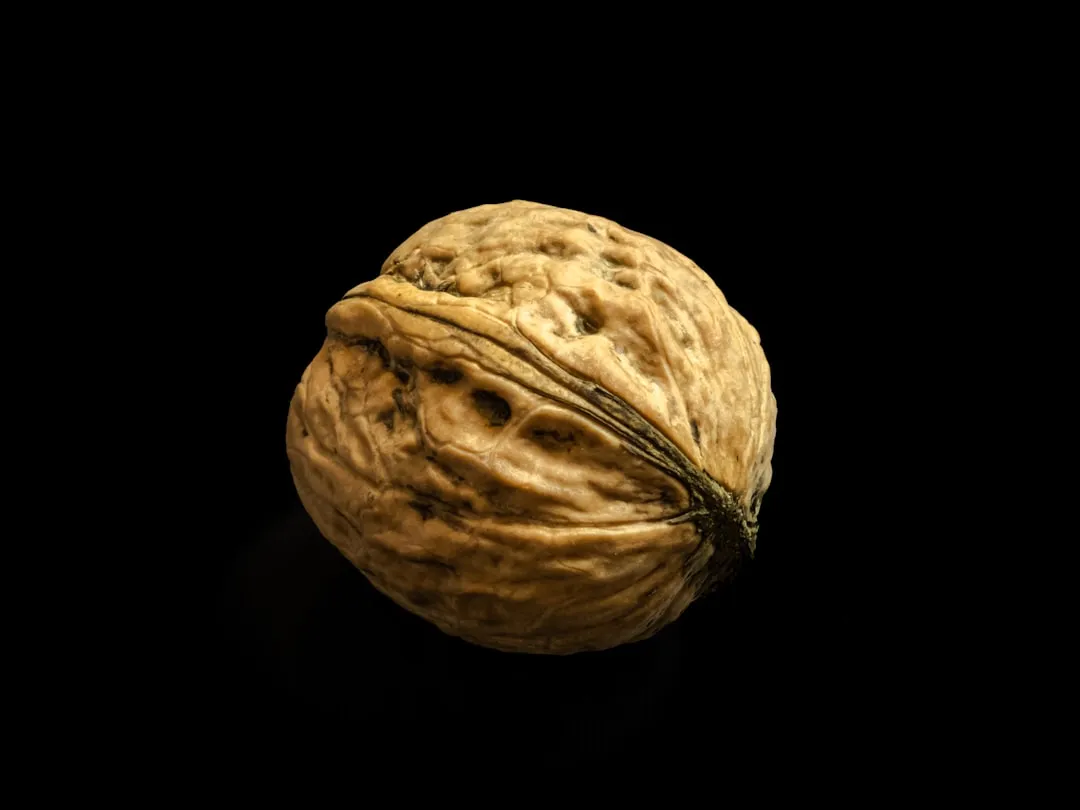
Black walnut trees have the interesting ability to excrete a chemical called juglone, which makes it nearly impossible for a number of plants to grow anywhere in its root zone. Juglone works by damaging the tiny root hairs on roots that are responsible for taking up a great majority of the water and nutrients the plants use. Research shows that it also interferes with the interaction of the roots with mycorrhizal fungi that aid the plant in taking up nutrients.
Juglone, a highly toxic chemical, is not found in intact tissues of black walnut trees. Instead, living tissues contain a nontoxic precursor called hydrojuglone, which is transformed in the soil to make juglone. Most hydrojuglone is contained in the roots and shells of walnuts.
Symptoms of black walnut toxicity include leaf yellowing, wilting, stunted growth, and eventual death. However, plants can exhibit these same symptoms for other reasons. That caveat matters. Diagnosing true allelopathic damage in a real garden setting is rarely straightforward.
How Allelochemicals Disrupt Plant Biology
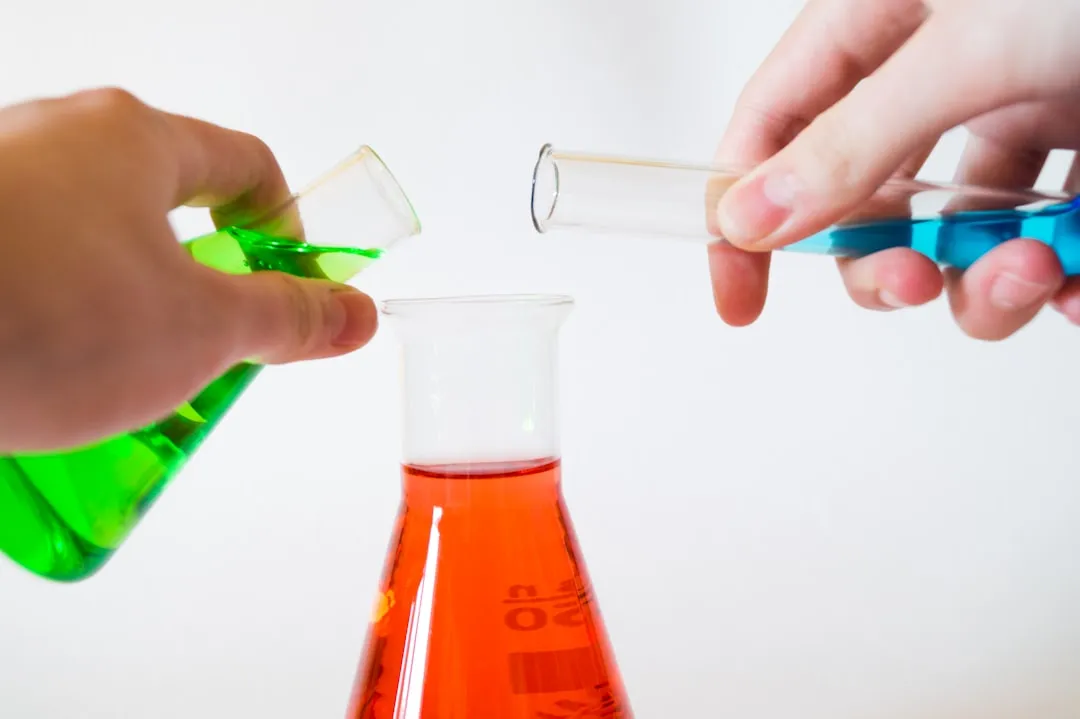
Allelochemicals can affect various physiological processes in target plants, disrupting cell division, nutrient uptake, photosynthesis, and hormone regulation. For example, some allelochemicals interfere with root growth by inhibiting cell elongation or inducing cell death, while others interfere with seed germination by affecting water uptake or activating dormancy mechanisms.
Some allelopathic compounds act by inhibiting water uptake, thereby preventing seed imbibition, which is essential for germination. Others interfere with the activity of enzymes such as amylase and protease, which are necessary for breaking down stored nutrients in seeds to support early growth. Without these enzymes, seed reserves remain inaccessible, resulting in weak or failed germination.
Some alkaloids can closely integrate with DNA and increase the temperature of DNA cleavage, while some can inhibit DNA polymerase I and prevent the transcription and translation of DNA, whereas others can inhibit protein biosynthesis. That level of molecular interference makes clear how potent some of these natural compounds truly are.
Plants Can Even Turn on Their Own Kind
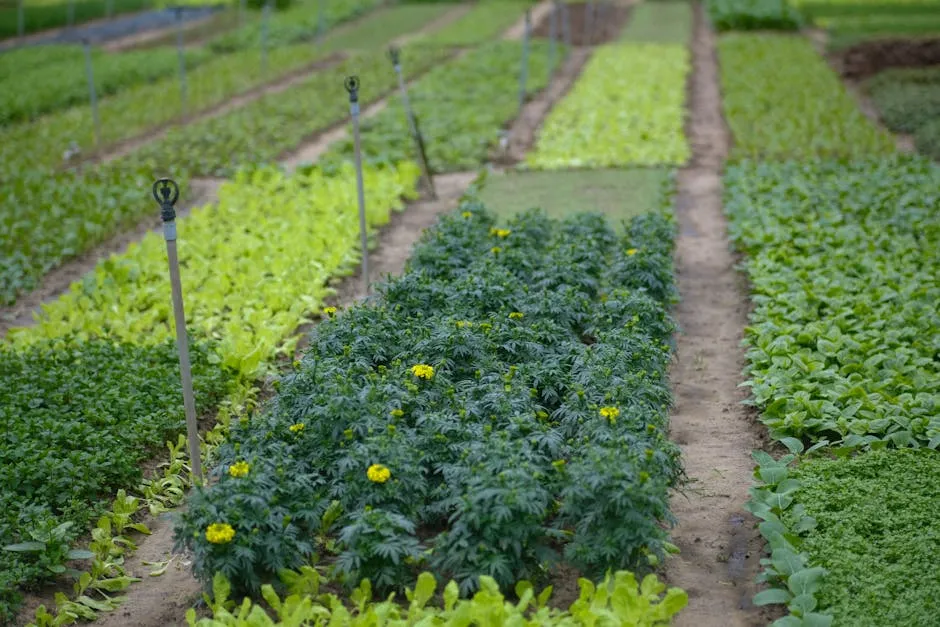
Allelopathy is not always directed outward at rival species. Allelopathy and competition frequently occur in interactions between plants of the same and different species. Intraspecific allelopathy is called autotoxicity, where a plant releases allelochemicals to inhibit the growth and establishment of other plants of the same species.
Allelopathic effects may result from multiple factors rather than the allelochemicals alone. Allelopathy and allelochemicals have important implications and consequences for plant coexistence and community assembly in natural ecosystems.
This self-suppression mechanism may seem counterintuitive, but it serves an ecological purpose. It prevents overcrowding within the same species, effectively spacing out individuals so that each has enough resources to survive and reproduce successfully.
The Role of Soil in Shaping the Outcome
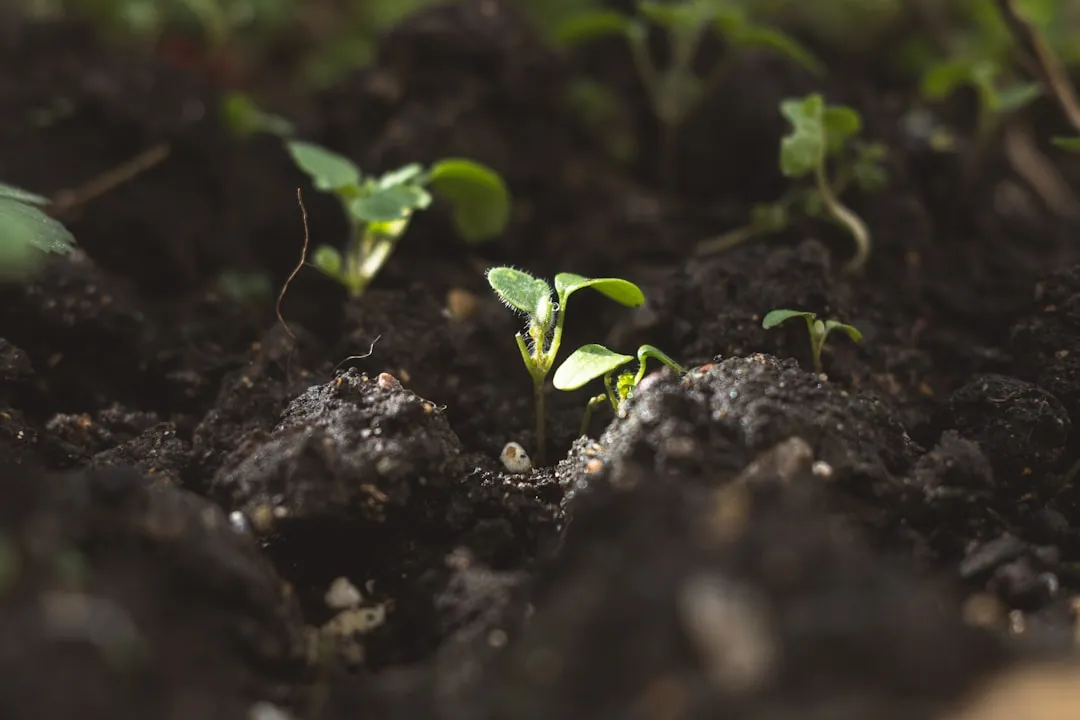
Soil is not just a medium through which allelochemicals travel. It actively shapes how effective those chemicals are. The growth of some species is inhibited significantly by allelochemicals, but that of other species is not. This is partly due to the allelochemicals having relative activity depending on the specificity of neighbors in a dose-dependent manner, or to some cooccurring species being able to resist the allelochemicals, leading to allelochemical adaptation.
Perhaps most fascinating is how allelopathic interactions influence the invisible world beneath the soil. These plant-produced compounds modify soil microbial communities in ways that can enhance nutrient cycling and availability. The chemistry of plant competition and soil biology are deeply intertwined.
Allelopathy contributes to soil health by enhancing soil microbial diversity and reducing the need for soil tillage, which can lead to erosion and soil degradation. That’s a useful side effect for farmers thinking about long-term land management.
Allelopathy and Invasive Plants
Allelopathic interactions are an important factor in determining species distribution and abundance within plant communities, and are also thought to be important in the success of many invasive plants. This connection between chemical aggression and invasive success has driven significant research in recent years.
Allelopathy affects plant biodiversity by releasing chemicals that inhibit the growth of competing species, reducing diversity. This can lead to dominance by certain species and alter species composition, potentially disrupting ecosystem function and reducing habitat complexity.
Research at the University of Florida found that the invasive Tree of Heaven produces chemicals in its roots with herbicidal activity. This is a vivid example of how a plant’s allelopathic ability can give it an outsized ecological foothold in a new environment where native plants have no built-in resistance.
From Garden Problem to Agricultural Opportunity
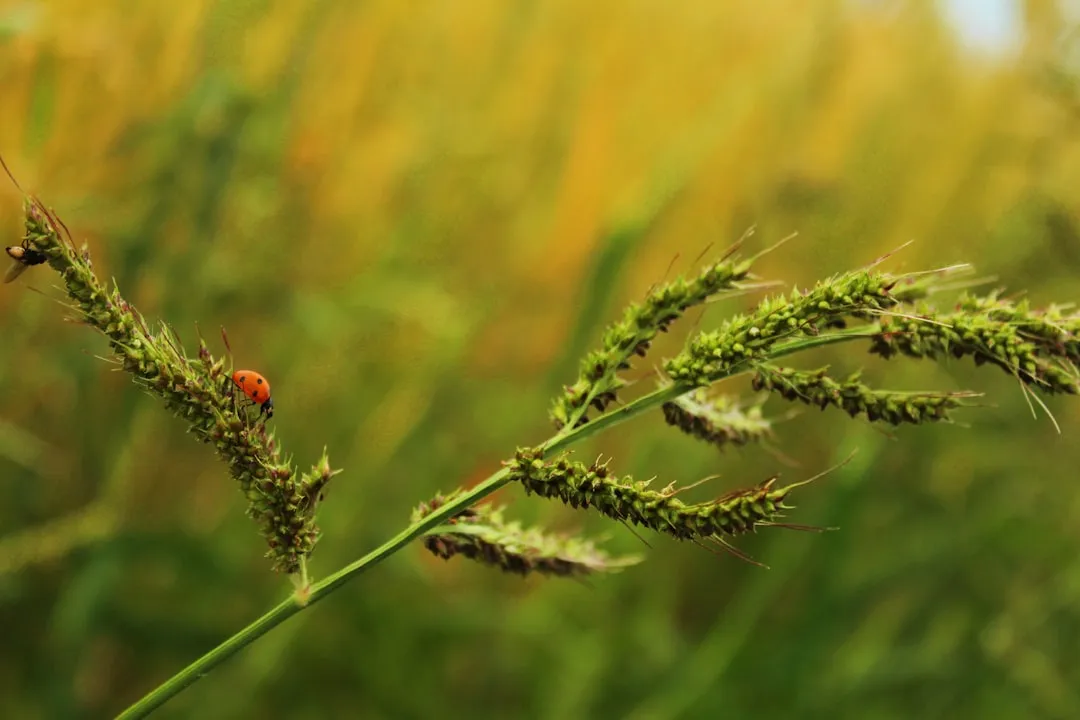
The emergence of weeds resistant to synthetic herbicides generates huge economic losses, so unconventional weed control strategies, especially those based on ecological principles, are very much needed in modern agriculture. Incorporating allelopathy as a tool in an integrated weed control plan, by growing specific crops or spraying fields with extracts containing allelopathic compounds, can significantly reduce the use of herbicides.
About nine tenths of the compounds present in the root exudates of sorghum comprise sorgoleone. Sorgoleone is synthesized in the root hair cells of sorghum and has been characterized as a potent bioherbicide as it can suppress many weed species. Researchers are now looking at how to harness this naturally occurring compound more deliberately.
The essential oil of spearmint, rich in the compound carvone, was shown to almost completely eliminate germination of certain weed species. Research also revealed that carvone, found in green mint, and menthofuran, present in water mint, are capable of inhibiting the germination of plant seeds such as poppy and watercress, in addition to affecting root growth. These findings, published in 2024, point to a new generation of targeted bioherbicides grounded in plant chemistry.
The Science Is Promising, Though Still Evolving
There is a significant knowledge gap regarding the full range of allelopathic compounds and their mechanisms of action. While several plant species such as rice and mustard are known for their allelopathic properties, the scientific understanding of these compounds remains incomplete, hindering their widespread application in agricultural practice.
Although studies have shown effects on plants when reviewed in a laboratory environment, research of allelopathic seed germination is difficult to identify and conclude as the determining factor, as competition and other abiotic factors cannot always be ruled out as contributing factors. Scientists are careful to distinguish what happens in a controlled lab from what actually drives plant behavior in a living field or garden.
Allelopathy has the potential to become a cornerstone of integrated pest management systems, helping to achieve food security, reduce environmental pollution, and improve soil health. Whether that potential gets fully realized depends on how well researchers can bridge the gap between laboratory chemistry and real-world complexity.
What This Means for Your Garden
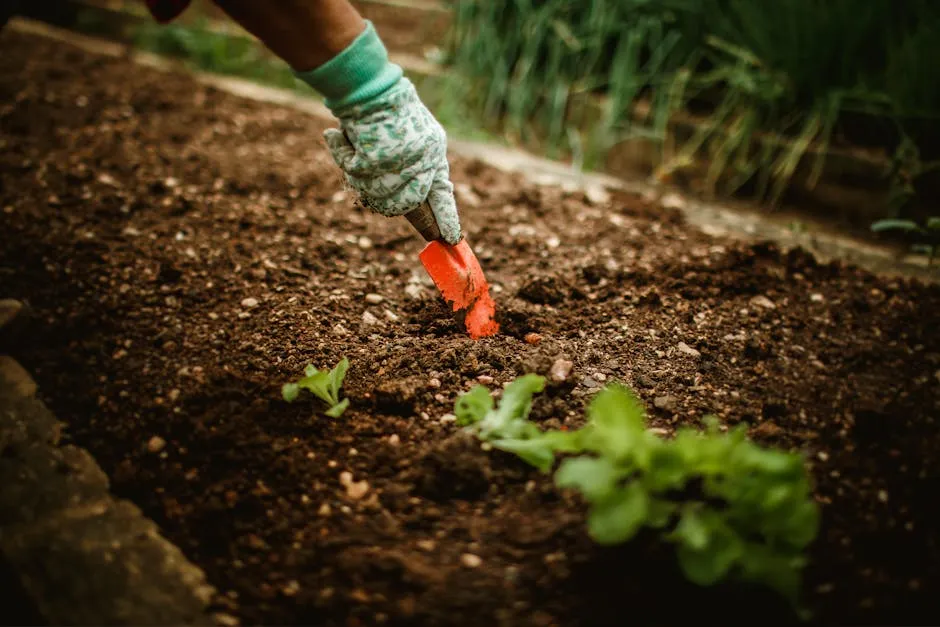
Understanding allelopathy changes how you read your garden. When plants struggle near a black walnut, or when one cover crop seems to keep weeds at bay more effectively than another, there is often a chemical story unfolding beneath the surface. Gardens should be located away from black walnuts if possible, or consider using plants observed as tolerant to juglone. When growing sensitive plants, raised beds are a possible option. Care should be taken to keep beds free of walnut leaves and hulls, and walnut leaves, bark, or wood chips should not be used as mulch around sensitive plants.
Allelopathy can be used in sustainable agriculture practices by utilizing allelopathic plants to suppress weeds, reducing the need for synthetic herbicides. For home gardeners, that might be as simple as choosing cover crops or companion plantings with known suppressive properties, a low-tech strategy with real, documented effects.
The soil beneath a garden is never just dirt. It’s a chemical commons, where every plant is both broadcasting and receiving signals, negotiating space, resources, and survival through a language made of molecules. The more gardeners and farmers come to understand this language, the better equipped they’ll be to work with it rather than against it.
AI Disclaimer: This article was created with the assistance of AI tools and reviewed by a human editor.