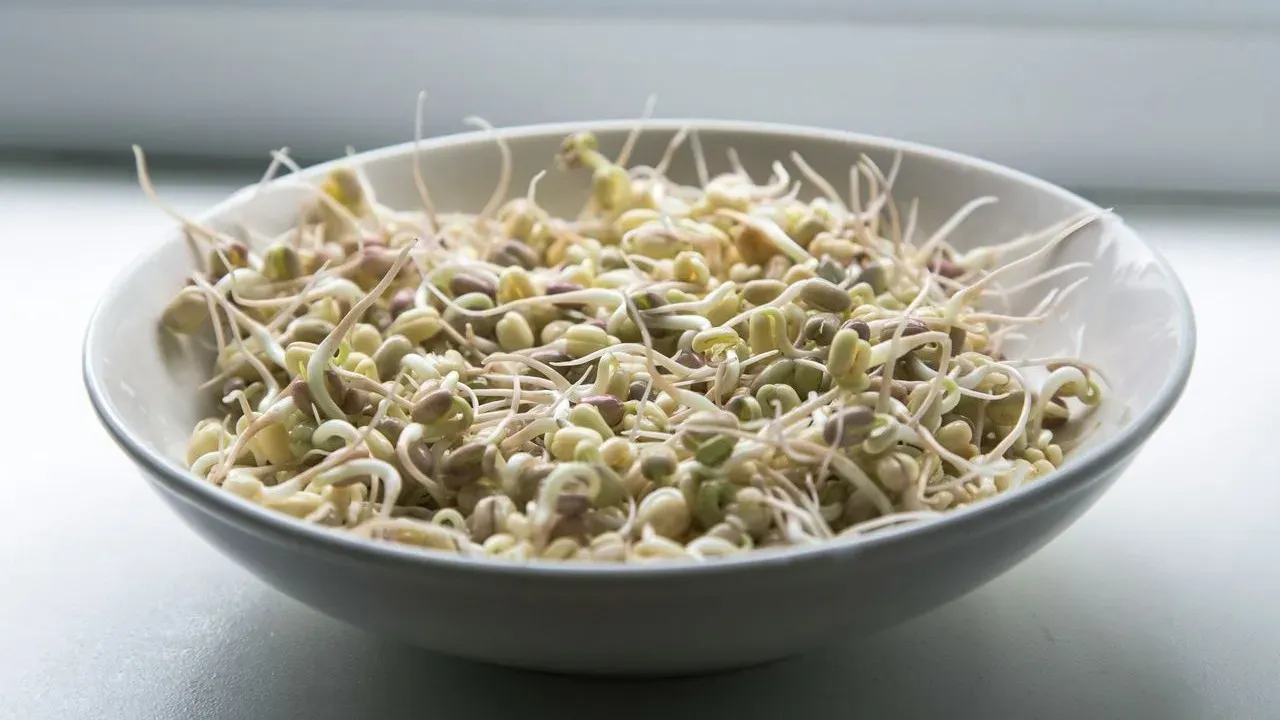

Health authorities have confirmed that alfalfa sprouts are connected to a combined salmonella and E. coli outbreak that has sickened at least 55 people in 15 states. Four individuals have required hospital care. The development draws attention to a common item found in many home gardens and kitchens, where sprouts are often grown or purchased for their fresh taste and nutritional profile. The cases span a wide geographic area, underscoring how a single contaminated batch can affect consumers far from the point of production. Investigators continue to trace the source, though details on specific suppliers or distribution channels remain limited at this stage.
Scope of the Reported Cases
Public health records show the illnesses occurred across 15 states, with the total count reaching at least 55 confirmed sick individuals. Four of those affected needed hospitalization, though no further details on the severity or duration of their stays have been released. The dual presence of salmonella and E. coli in the same outbreak adds complexity to the investigation. Officials have not indicated whether additional cases are expected or if the outbreak has been contained. The numbers reflect the most recent available data and may change as testing and reporting continue.
Why Alfalfa Sprouts Warrant Attention
Alfalfa sprouts grow quickly in warm, moist conditions that also favor bacterial growth. This makes them a frequent subject of food safety reviews, even when produced under standard practices. Consumers who grow their own sprouts at home or buy them fresh often value the short harvest time and the ability to add them to salads, sandwiches, and other dishes. The current situation serves as a reminder that even small-scale or home production carries some level of risk when hygiene or water quality is not strictly managed. No specific growing method or brand has been singled out in the reports released so far.
What Consumers Can Do
People who regularly eat alfalfa sprouts may choose to cook them thoroughly rather than consume them raw until more information becomes available. Thorough washing alone does not always eliminate bacteria that can hide inside the sprout structure. Those who grow sprouts at home can review their sanitation steps, including the cleanliness of equipment and the quality of the water used during rinsing.
Health agencies typically advise vulnerable groups, such as young children, older adults, and individuals with weakened immune systems, to exercise extra caution with raw sprouts during any outbreak period. Checking local health department updates provides the most current guidance as the investigation progresses. The situation illustrates how quickly a localized production issue can translate into a multi-state health concern.
Continued monitoring by food safety officials will determine whether additional steps, such as recalls or enhanced testing protocols, become necessary.
AI Disclaimer: This article was created with the assistance of AI tools and reviewed by a human editor.