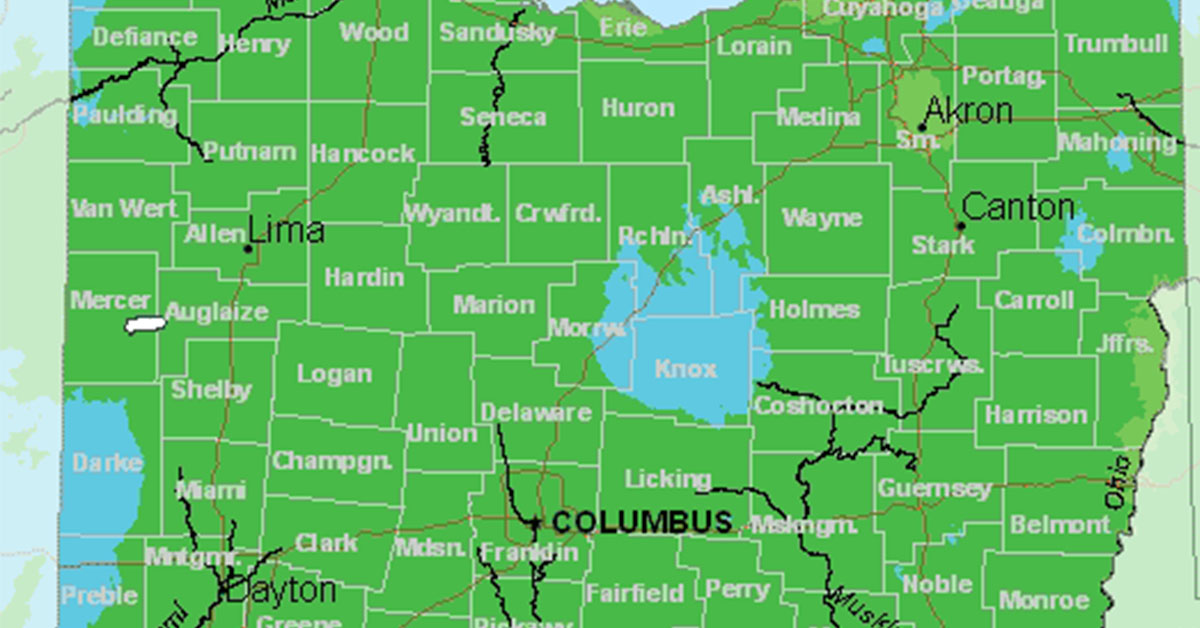

Welcome to Akron, Ohio, a city known for its vibrant gardens and flourishing green spaces. Nestled in the heart of the Midwest, Akron offers a unique gardening experience with its USDA hardiness zone 6a classification.
This zone provides gardeners with a diverse range of plant options, allowing for the cultivation of both cold-hardy perennials and heat-loving annuals. Whether you are a seasoned gardener or just starting out, Akron’s climate and soil conditions offer an ideal environment for creating beautiful landscapes and bountiful harvests.
In this article, we will explore the intricacies of gardening in Akron, from understanding the USDA hardiness zone to selecting the right plants for your garden, and provide valuable tips and techniques to help you achieve gardening success in this thriving Ohio city.
What is Akron’s USDA hardiness zone?
The USDA hardiness zone is a system developed by the United States Department of Agriculture (USDA) to categorize regions based on their average annual minimum temperatures. This system helps gardeners and plant enthusiasts determine which plants are most likely to thrive in a particular area.
Akron, Ohio falls within USDA hardiness zone 6a. This means that the average annual minimum temperature in Akron ranges from -10 to -5 degrees Fahrenheit (-23 to -20 degrees Celsius). It is important to note that this is just an average, and extreme cold snaps or unusually warm winters can occur. Knowing the hardiness zone is crucial when selecting plants for your garden or landscape.
Plants that are rated for zone 6a are adapted to withstand the cold temperatures typical of this region. They have developed strategies to survive freezing temperatures, such as producing antifreeze-like compounds or going dormant during the winter months. When choosing plants for your garden in Akron, it is recommended to select those that are rated for zone 6a or lower.
These plants have a higher chance of surviving the winter and thriving in your garden. Some popular choices for zone 6a include perennials like daylilies, hostas, and coneflowers, as well as shrubs like lilacs and hydrangeas. It is also important to consider other factors besides hardiness zone when selecting plants. Soil type, sunlight exposure, and moisture levels are all critical factors that can affect a plant’s success.
Additionally, microclimates within your garden, such as areas protected from wind or receiving more sun, can create slightly different growing conditions. To ensure the best chances of success, it is recommended to research specific plant requirements and consult with local gardening experts or nurseries. They can provide valuable advice on which plants are best suited for Akron’s specific climate and growing conditions.
When can you plant your garden in Akron?
In Akron, the ideal planting times for various plants can be determined by considering its USDA hardiness zone. Akron falls under USDA hardiness zone 6a, which means it experiences an average minimum winter temperature of -10 to -5 degrees Fahrenheit (-23.3 to -20.6 degrees Celsius).
For cool-season crops such as lettuce, spinach, peas, and broccoli, the ideal planting time in Akron is in early spring, as soon as the soil can be worked and temperatures consistently reach around 40 degrees Fahrenheit (4.4 degrees Celsius). These crops thrive in cooler temperatures and can tolerate light frosts.
Warm-season crops like tomatoes, peppers, cucumbers, and beans require warmer soil and air temperatures. It is best to wait until after the last frost date, which typically occurs around mid-May in Akron, before planting these crops. Starting seeds indoors or using protective coverings like row covers can help extend the growing season for warm-season crops.
Perennial plants, such as trees, shrubs, and perennial flowers, can be planted in Akron throughout the growing season. However, early spring or early fall is generally recommended, as it allows the plants to establish their roots before the extreme temperatures of summer or winter.
It’s important to note that these are general guidelines, and specific plant varieties may have different planting requirements. Always refer to the seed packet or plant label for specific instructions and adjust planting times accordingly based on local weather conditions.
What grows well in Akron?
Akron, Ohio falls within USDA hardiness zone 6a. This means that the average minimum winter temperature in this area ranges from -10 to -5 degrees Fahrenheit (-23 to -21 degrees Celsius). Here is a comprehensive list of plants that generally grow well in Akron’s hardiness zone:
- Black-eyed Susan (Rudbeckia)
- Coneflower (Echinacea)
- Daylily (Hemerocallis)
- Hosta (Hosta spp.)
- Bee balm (Monarda)
- Phlox (Phlox paniculata)
- Sedum (Sedum spp.)
- Astilbe (Astilbe spp.)
- Coral bells (Heuchera)
- Russian sage (Perovskia atriplicifolia)
- Salvia (Salvia spp.)
- Yarrow (Achillea)
- Lilac (Syringa)
- Hydrangea (Hydrangea spp.)
- Spirea (Spiraea spp.)
- Weigela (Weigela spp.)
- Ninebark (Physocarpus opulifolius)
- Viburnum (Viburnum spp.)
- Potentilla (Potentilla fruticosa)
- Beautyberry (Callicarpa spp.)
- Winterberry (Ilex verticillata)
- Witch hazel (Hamamelis spp.)
- Red maple (Acer rubrum)
- Sugar maple (Acer saccharum)
- Ohio buckeye (Aesculus glabra)
- Eastern redbud (Cercis canadensis)
- Serviceberry (Amelanchier spp.)
- Crabapple (Malus spp.)
- Dogwood (Cornus spp.)
- Red oak (Quercus rubra)
- White oak (Quercus alba)
- Bald cypress (Taxodium distichum)
- Clematis (Clematis spp.)
- Honeysuckle (Lonicera spp.)
- Virginia creeper (Parthenocissus quinquefolia)
- Trumpet vine (Campsis radicans)
- Climbing hydrangea (Hydrangea anomala subsp. petiolaris)
- Marigold (Tagetes)
- Zinnia (Zinnia)
- Petunia (Petunia)
- Geranium (Pelargonium)
- Impatiens (Impatiens walleriana)
- Coleus (Solenostemon scutellarioides)
- Begonia (Begonia)
Remember, while these plants are generally well-suited to Akron’s hardiness zone, factors such as soil type, sun exposure, and moisture levels can also influence their success. It’s always a good idea to consider these factors and choose plants that are suitable for your specific gardening conditions.
What won’t grow in Akron?
In Akron, Ohio, which falls under USDA hardiness zone 6a, there are certain plants that may struggle to thrive due to the region’s specific climate conditions. Here are some plants that may not perform well in Akron:
- Tropical Plants: Plants that require a consistently warm climate, such as banana trees (Musa spp.), palm trees (Arecaceae family), or orchids (Orchidaceae family), may struggle in Akron’s colder winters and fluctuating temperatures.
- Desert Plants: Cacti and succulents that are native to arid regions, like the Southwest United States or Mexico, may not fare well in Akron’s more humid and wetter climate.
- Mediterranean Plants: Some plants that thrive in Mediterranean climates, such as lavender (Lavandula spp.), rosemary (Rosmarinus officinalis), or olive trees (Olea europaea), may struggle in Akron due to the region’s colder winters and higher humidity levels.
- Tropical Fruits: Fruits like mangoes (Mangifera indica), papayas (Carica papaya), or citrus trees (Citrus spp.) may not be able to withstand Akron’s colder temperatures and may require more tropical conditions to thrive.
- Subtropical Plants: Plants that prefer subtropical climates, such as certain varieties of palms (e.g., Queen palm – Syagrus romanzoffiana), may struggle in Akron’s colder winters and may not be able to survive the frost.
It’s important to note that while these plants may not thrive in Akron’s climate, it is still possible to grow them indoors or in protected environments with proper care and attention to their specific needs.