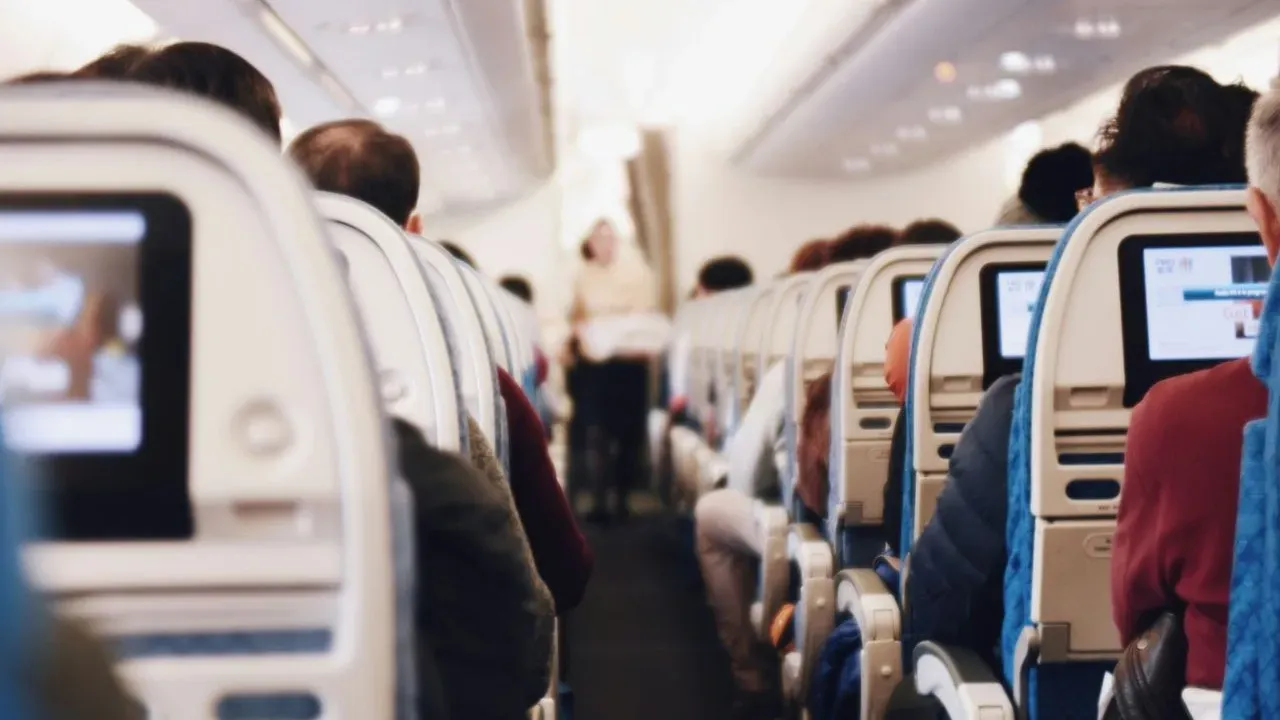

Airlines have long relied on overbooking to offset no-shows and protect revenue. When more passengers arrive than seats exist, carriers first seek volunteers rather than force anyone off the plane. The approach turns a potential disruption into a negotiated exchange that can benefit both sides.
How the Process Unfolds
Gate agents typically begin by announcing the need for volunteers and stating an initial compensation offer. Passengers who step forward receive payment or travel credits plus a seat on a later flight. The amount can rise quickly if the initial bid draws few takers, because airlines prefer to avoid involuntary removals and the complaints that follow. The practice follows federal rules that require carriers to seek volunteers before denying boarding. There is no legal cap on what an airline may offer, which allows the compensation to climb until enough passengers agree to change plans. Stakeholders include the airline seeking to protect its schedule, the volunteers who gain extra value, and the remaining passengers who board on time.
Practical Consequences for Travelers
For most passengers the decision hinges on flexibility. Those with loose schedules or alternate travel options often find the exchange worthwhile. Others with tight connections or time-sensitive commitments tend to stay put. The outcome can shift quickly once the offer reaches a level that outweighs the inconvenience for enough people. Airlines track these situations closely because repeated involuntary bumps can damage reputation and invite regulatory scrutiny. Voluntary resolutions reduce that risk while still allowing the carrier to accommodate everyone who needs to fly that day.
Stakeholder Perspectives
Passengers weigh the offered compensation against their own travel needs and the value of reaching their destination on the original schedule. Airlines balance the cost of the incentive against the expense of rebooking, potential goodwill loss, and operational delays. Regulators focus on ensuring the process remains transparent and that passengers receive clear information about any restrictions on vouchers or future travel. The system works best when both parties treat the exchange as a straightforward business transaction rather than a contest of wills.
What matters now
- Compensation offers can increase until volunteers step forward.
- Passengers retain the right to decline any bid.
- Clear communication of terms protects everyone involved.
Looking Ahead
As carriers refine revenue management tools, the frequency and size of these offers may continue to vary with load factors and route demand. Travelers who remain open to schedule changes can occasionally turn an overbooked flight into an unexpected gain, provided they evaluate the offer against their own priorities.
AI Disclaimer: This article was created with the assistance of AI tools and reviewed by a human editor.