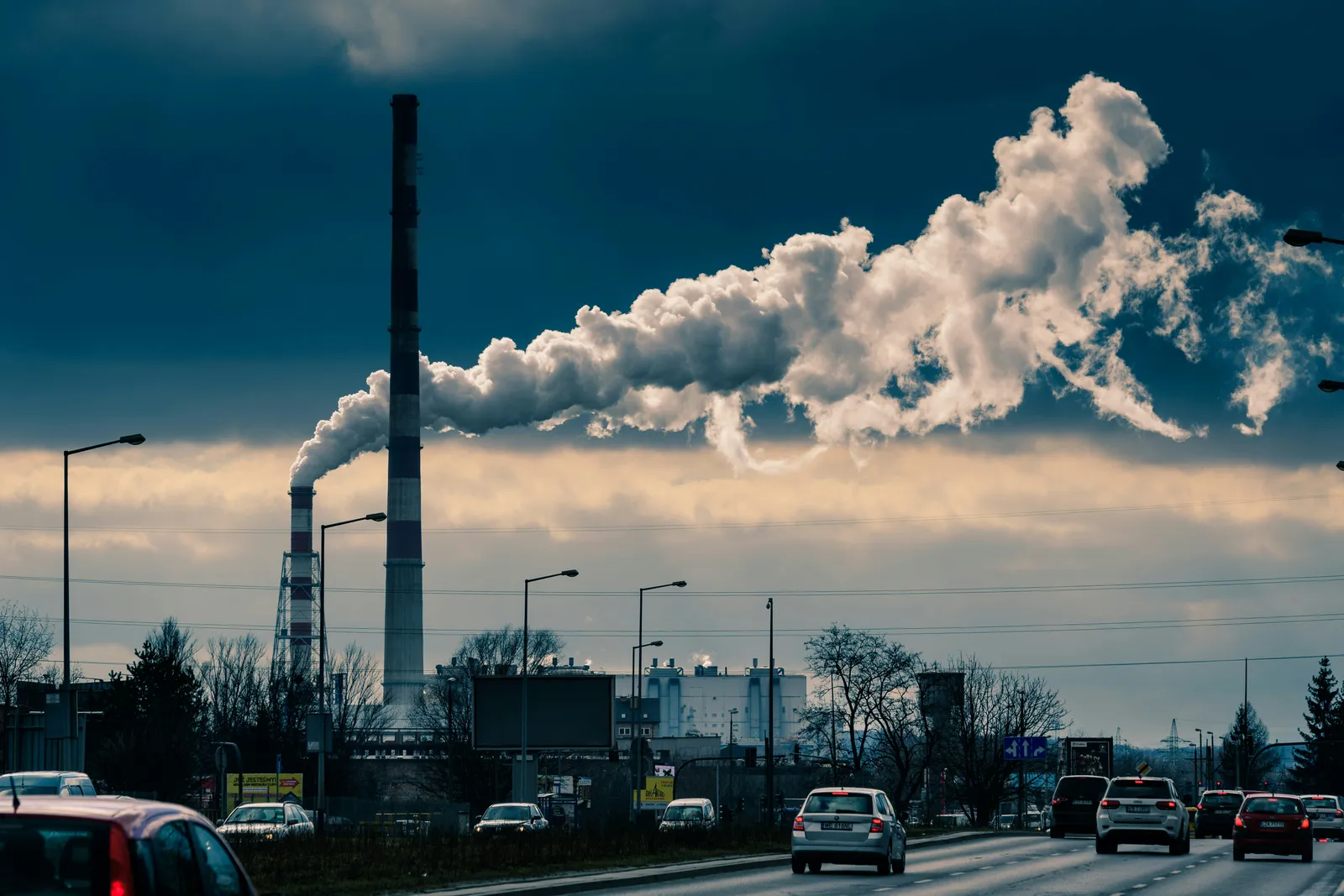

Air quality alerts have been issued across California, Illinois, and Indiana as levels of ozone and dust pollution climb. The warnings call on residents to reduce outdoor activity, including time spent in gardens and yards. For those who tend plants regularly, the alerts arrive at a time when many would normally be outdoors preparing beds or tending crops.
Why the Alerts Matter Now
The combination of rising ozone and airborne dust creates conditions that can irritate lungs and reduce visibility. Officials in the three states have responded by advising people to limit strenuous outdoor work. Gardeners, who often spend extended periods bending, lifting, and breathing deeply while working, face particular exposure during these periods.
These alerts reflect standard responses to measured pollutant levels rather than unusual events. Still, they underscore how air quality can shift quickly and affect daily routines. Residents who plan garden tasks around weather reports may need to add air quality checks to their planning.
Pollutants Behind the Warnings
Ozone forms when sunlight reacts with emissions from vehicles and industry. On hot, still days it builds near the ground and can inflame airways. Dust particles, stirred by wind or dry conditions, add another layer of irritation for anyone working outside.
Both pollutants are monitored through established networks that track hourly changes. When thresholds are crossed, alerts go out to protect sensitive groups first. Gardeners without respiratory conditions can still experience reduced stamina or throat discomfort during prolonged exposure.
Practical Steps for Outdoor Work
Those who must tend gardens during alert periods can adjust timing and methods. Early morning or evening hours often bring lower ozone readings. Shorter sessions with frequent breaks indoors also reduce cumulative exposure.
Protective measures include wearing a well-fitting mask rated for fine particles and staying hydrated. Checking local air quality indexes before heading out provides a simple way to decide whether to proceed or postpone. Many gardeners already track soil moisture and sunlight; adding pollutant data fits naturally into that routine.
- Monitor hourly air quality reports from state agencies.
- Shift heavy tasks to times when readings are lower.
- Keep sessions brief and take indoor breaks.
- Use masks and protective clothing when dust is elevated.
- Water plants efficiently to minimize time spent outside.
What Matters Now
Air quality alerts in California, Illinois, and Indiana remind outdoor enthusiasts to check conditions before extended garden work. Adjusting schedules and using basic protections helps maintain both plant care and personal comfort during elevated pollution periods.
The alerts are expected to remain in place while weather patterns support higher pollutant levels. Once conditions improve, normal outdoor activity can resume. Gardeners who stay informed can continue their work safely without unnecessary disruption.
AI Disclaimer: This article was created with the assistance of AI tools and reviewed by a human editor.