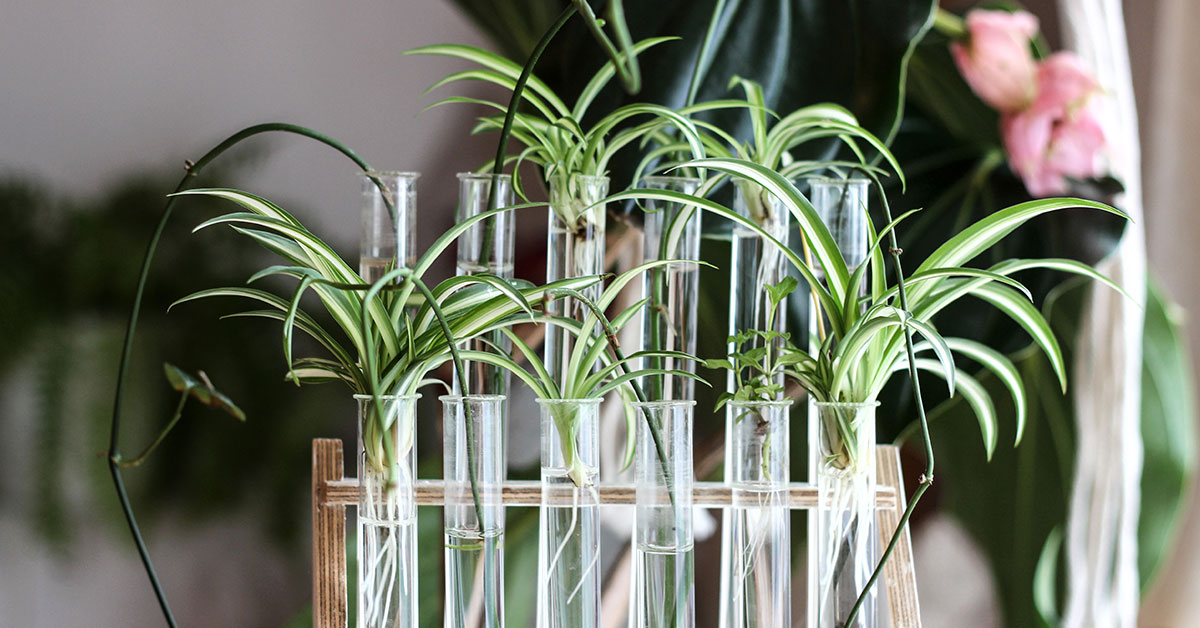

Winter often brings a cozy atmosphere to our homes, but it can also lead to stagnant air and reduced indoor air quality. As we hunker down indoors, it’s essential to maintain a healthy living environment, and one of the best ways to do this is by incorporating air-purifying plants into your home décor. Not only do these plants enhance the aesthetic appeal of your space, but they also work tirelessly to cleanse the air of toxins, creating a fresher and more inviting atmosphere during the colder months.
Embracing air-purifying plants in your winter indoor garden can transform your living space into a vibrant oasis of greenery and health. Whether you’re a seasoned plant enthusiast or just starting your gardening journey, selecting the right plants can make a significant difference in both your home’s ambiance and your well-being. Let’s explore some of the most effective and beautiful air-purifying plants that will not only brighten your home this winter but also improve the air quality, making your indoor environment healthier and more pleasant!
Snake Plant (Sansevieria trifasciata)
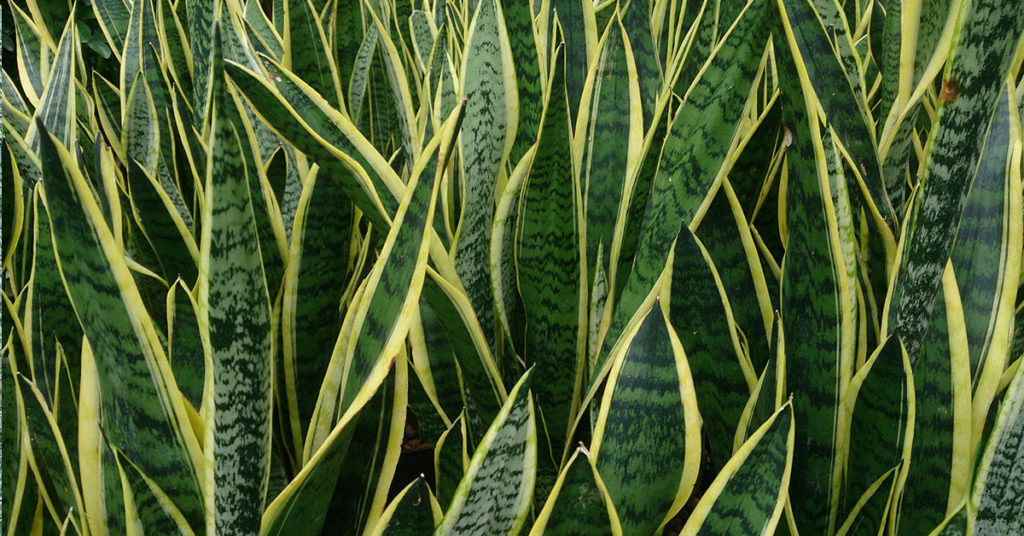
The Snake Plant, also known as Mother-in-Law’s Tongue, is one of my favorite air-purifying plants, and for good reason! Native to West Africa, this resilient plant thrives in a variety of indoor conditions, making it perfect for winter. Its tall, stiff leaves with striking patterns not only add a modern touch to any room but also work wonders in removing toxins like formaldehyde and benzene from the air. One of the best things about the Snake Plant is its low maintenance requirements—it’s incredibly tolerant of low light and infrequent watering, making it ideal for those busy winter days when you might forget to water your plants regularly.
Despite its toughness, the Snake Plant requires some attention to keep it looking its best during winter. Ensure it receives indirect light and avoid placing it near cold drafts or heating vents, which can dry out its leaves. While it’s not considered invasive, it’s important to repot your Snake Plant every couple of years to provide fresh soil and space for its roots to grow. By incorporating a Snake Plant into your indoor garden, you not only enhance your home’s décor with its elegant presence but also enjoy cleaner air and a healthier living space all winter long!
Peace Lily (Spathiphyllum)
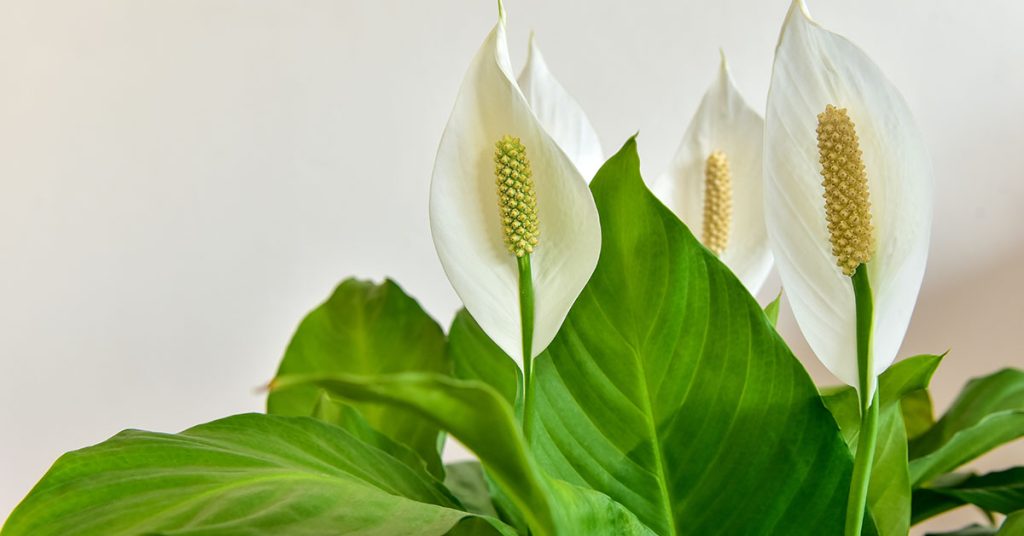
The Peace Lily is a stunning addition to any indoor garden, especially during the winter months. Native to the tropical regions of the Americas, this plant is renowned for its graceful white blooms and its ability to purify the air by removing toxins such as ammonia, benzene, and formaldehyde. One of the reasons I adore Peace Lilies is their elegant appearance and their ability to thrive in low to moderate light conditions, making them perfect for winter when sunlight is scarce. Their lush, dark green leaves add a touch of sophistication and life to any indoor space, brightening up rooms that might otherwise feel dull during the colder months.
Maintaining a Peace Lily during winter requires a bit of care to ensure it remains healthy and vibrant. These plants prefer consistently moist soil, so regular watering is essential, but be careful not to overwater, as this can lead to root rot. It’s also beneficial to increase humidity around the plant by misting its leaves or placing it near a humidifier, especially in dry indoor environments. Peace Lilies are not invasive, making them safe and manageable for indoor settings. By nurturing a Peace Lily, you can enjoy its beautiful blooms and the fresh, clean air it provides, creating a serene and healthy atmosphere in your home all winter long!
Spider Plant (Chlorophytum comosum)
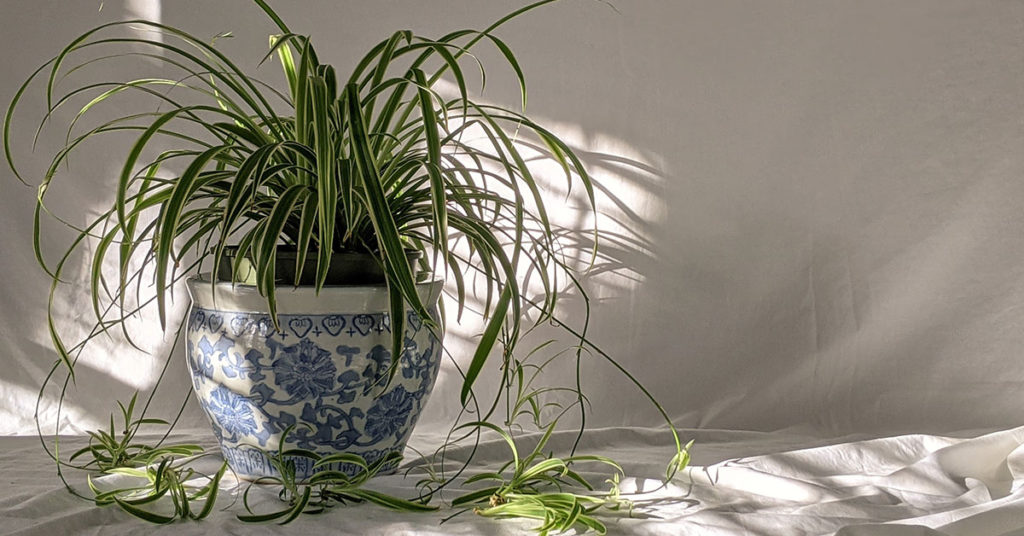
Spider Plants are a beloved choice for indoor gardeners, and they shine brightly during the winter season. Originating from South Africa, these plants are known for their arching, striped leaves and their ability to produce baby plants, or “spiderettes,” that nestle close to the mother plant. This not only adds a charming visual element to your indoor garden but also allows for easy propagation and expansion of your plant collection. Spider Plants are excellent air purifiers, effectively removing pollutants like formaldehyde and xylene from the air, which is especially beneficial during the winter when indoor air quality can decline.
Caring for Spider Plants in winter is relatively straightforward, making them perfect for both novice and experienced gardeners. They thrive in bright, indirect light but can also tolerate lower light conditions, making them versatile for various indoor spaces. It’s important to keep the soil slightly moist, avoiding waterlogging, and to ensure good air circulation around the plants to prevent fungal issues. Spider Plants are non-invasive and safe for households with pets, adding both beauty and functionality to your home without any concerns. By including Spider Plants in your winter indoor garden, you create a lively and healthy environment that brightens your home and purifies the air all season long!
Boston Fern (Nephrolepis exaltata)
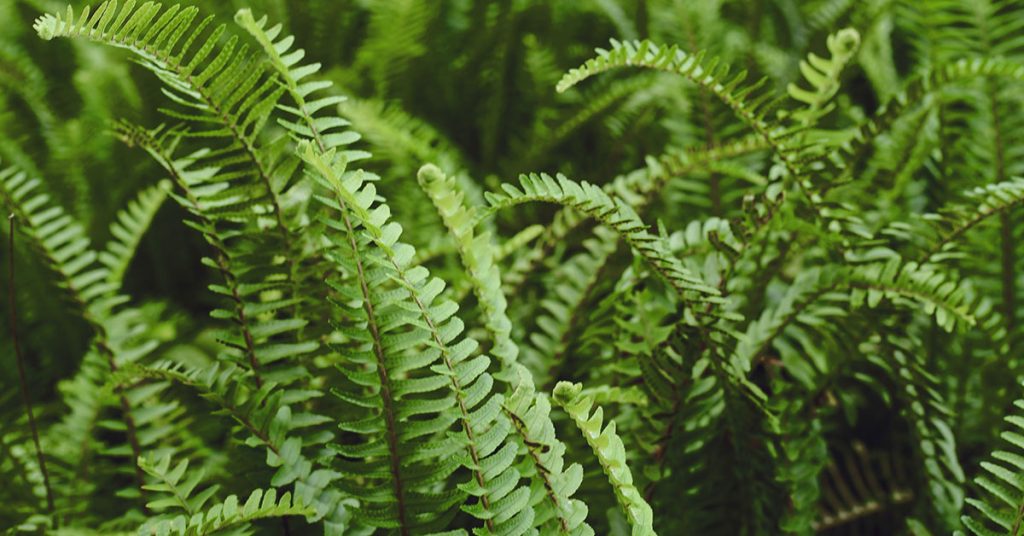
Boston Ferns are a classic choice for adding lush greenery to your indoor garden, especially during the winter months. Native to tropical regions around the world, these ferns are renowned for their feathery, arching fronds that bring a touch of elegance and natural beauty to any indoor space. Boston Ferns excel at removing pollutants like formaldehyde and xylene from the air, making them excellent air purifiers that contribute to a healthier living environment. Their vibrant green foliage not only enhances the aesthetic appeal of your home but also adds a refreshing and calming atmosphere during the cold winter days.
Maintaining a Boston Fern during winter requires attention to its humidity and moisture needs. These ferns thrive in high humidity environments, so using a humidifier or placing a tray of water and pebbles near the plant can help maintain the necessary moisture levels. Regular misting of the fronds also benefits the plant by preventing the leaves from drying out. Boston Ferns prefer bright, indirect light and consistently moist soil, so it’s important to water them regularly without allowing the soil to become soggy. While they are not considered invasive, ensuring proper care and placement will keep your Boston Fern healthy and vibrant, allowing it to flourish and purify the air in your home throughout the winter season!
ZZ Plant (Zamioculcas zamiifolia)
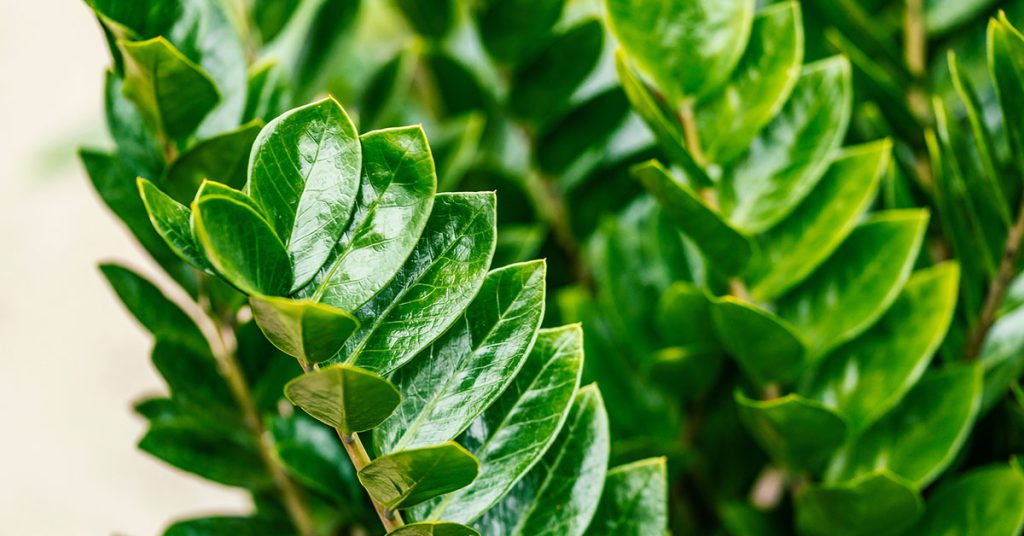
The ZZ Plant is a fantastic choice for indoor gardeners looking for a low-maintenance yet highly effective air-purifying plant. Native to Eastern Africa, the ZZ Plant is renowned for its waxy, hearty leaves that reflect light beautifully, adding a touch of shine and elegance to any room. This plant is incredibly resilient, thriving in low-light conditions and requiring minimal watering, which makes it perfect for the winter months when indoor environments can be less predictable. The ZZ Plant effectively removes toxins like xylene, toluene, and benzene from the air, contributing to a healthier and more pleasant living space.
Despite its toughness, the ZZ Plant does benefit from occasional care to keep it looking its best during winter. It prefers well-draining soil and should be watered only when the top inch of soil feels dry to the touch. Avoid placing it near cold drafts or heating vents, as extreme temperature fluctuations can stress the plant. The ZZ Plant is not considered invasive, making it a safe and stylish addition to any indoor garden. Its ability to thrive with minimal attention means you can enjoy its air-purifying benefits and attractive appearance without the hassle, ensuring your home remains bright and healthy all winter long!
Areca Palm (Dypsis lutescens)

Areca Palm, also known as the Butterfly Palm, is a stunning and effective air-purifying plant that thrives indoors, especially during the winter months. Native to Madagascar, the Areca Palm features feathery, arching fronds that add a tropical touch to your home décor. This plant is excellent at removing toxins such as formaldehyde, xylene, and toluene from the air, enhancing indoor air quality and creating a fresher environment. Its vibrant green foliage not only brightens up any room but also contributes to a sense of calm and tranquility, making it a perfect addition to your winter indoor garden.
Caring for an Areca Palm during winter involves maintaining the right balance of light, moisture, and temperature. These palms prefer bright, indirect light and should be kept away from direct drafts or heating vents that can dry out their fronds. Regular watering is essential, but it’s important to ensure that the soil remains well-draining to prevent root rot. Additionally, increasing humidity around the plant by misting its leaves or using a humidifier can help keep the fronds healthy and vibrant. Areca Palms are not invasive, making them a safe and elegant choice for indoor spaces. By incorporating an Areca Palm into your winter garden, you bring both beauty and air-purifying benefits to your home, ensuring a lush and healthy indoor environment all season long!
Rubber Plant (Ficus elastic)
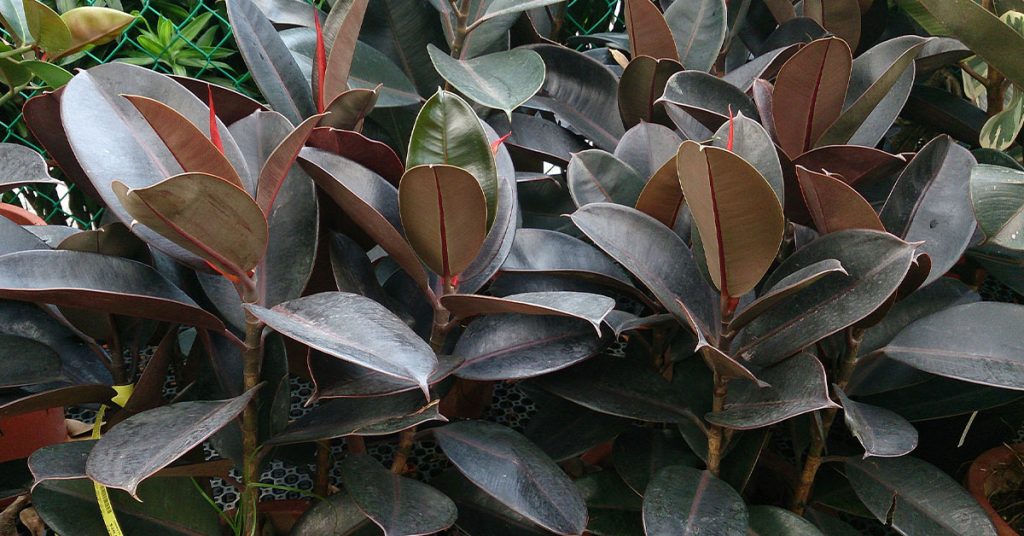
The Rubber Plant is a robust and visually striking addition to any indoor garden, especially during the winter season. Native to the rainforests of eastern India, this plant is known for its large, glossy leaves that add a bold and lush element to your home décor. The Rubber Plant is highly effective at purifying the air, removing pollutants such as formaldehyde and benzene, which are commonly found in indoor environments. Its impressive stature and vibrant foliage make it a standout centerpiece in any room, providing both aesthetic appeal and health benefits during the colder months.
Maintaining a Rubber Plant in winter requires attention to its light and watering needs to ensure it remains healthy and vibrant. This plant thrives in bright, indirect light but can tolerate lower light conditions, making it versatile for various indoor settings. During the winter, reduce watering frequency to prevent overwatering, allowing the top inch of soil to dry out between waterings. Rubber Plants also benefit from occasional misting to increase humidity, especially in dry indoor environments. They are not considered invasive, making them a safe and stylish choice for indoor gardening. By caring for your Rubber Plant with the right balance of light, water, and humidity, you can enjoy its lush greenery and air-purifying benefits throughout the winter season!
Philodendron
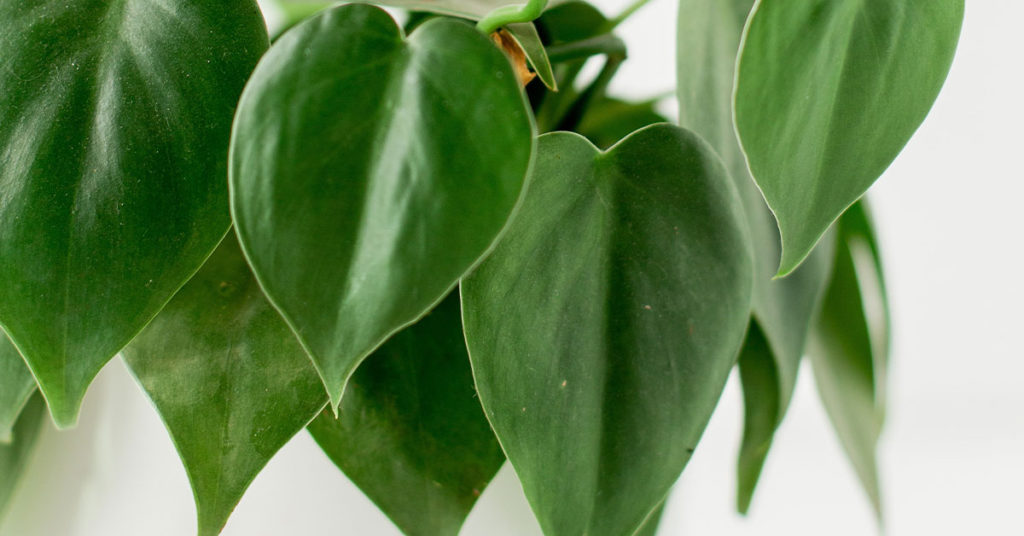
Philodendrons are beloved indoor plants that offer both beauty and functionality, particularly during the winter months. Native to the tropical rainforests of Central and South America, these plants are known for their heart-shaped leaves and trailing vines that create a lush, green display in any indoor space. Philodendrons are excellent air purifiers, effectively removing toxins like formaldehyde and xylene from the air, which is especially beneficial during the winter when indoor air quality can decline. Their versatile nature allows them to thrive in a variety of indoor conditions, making them a popular choice for both beginners and experienced gardeners.
Caring for a Philodendron during winter involves maintaining consistent moisture levels and providing adequate light to support healthy growth. These plants prefer bright, indirect light but can also adapt to lower light conditions, making them suitable for rooms with limited sunlight. It’s important to water your Philodendron when the top inch of soil feels dry, ensuring the plant receives enough moisture without becoming waterlogged. Additionally, regular pruning helps maintain the plant’s shape and encourages new growth, keeping your indoor garden looking fresh and vibrant. Philodendrons are not invasive, making them a safe and attractive addition to any home. By incorporating a Philodendron into your winter indoor garden, you can enjoy its beautiful foliage and air-purifying benefits, enhancing both the aesthetics and health of your living space!
Pothos (Epipremnum aureum)
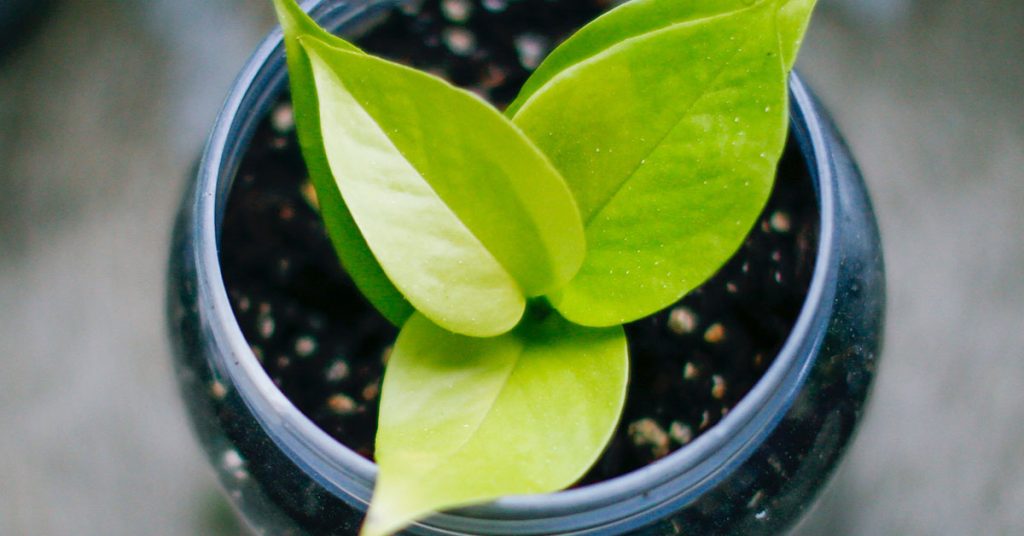
Pothos, also known as Devil’s Ivy, is a versatile and hardy plant that thrives indoors, especially during the winter season. Native to the Solomon Islands in the South Pacific, this plant is renowned for its heart-shaped, variegated leaves that cascade gracefully from shelves and hanging baskets. Pothos are exceptional air purifiers, removing pollutants such as formaldehyde, benzene, and xylene from the air, making them a fantastic addition to your winter indoor garden. Their ability to thrive in low-light conditions and tolerate irregular watering schedules makes them ideal for busy households or those new to indoor gardening.
Maintaining a Pothos during winter is relatively easy, as these plants are highly adaptable and resilient. They prefer bright, indirect light but can also flourish in lower light environments, making them suitable for various indoor settings. Water your Pothos when the top inch of soil feels dry, ensuring that the roots receive adequate moisture without becoming waterlogged. Pruning your Pothos helps maintain its shape and encourages fuller growth, preventing it from becoming too leggy during the slower winter months. Pothos are not considered invasive when kept in containers, making them a safe and beautiful choice for indoor gardens. By adding a Pothos to your winter collection, you create a dynamic and visually appealing display that not only brightens your home but also contributes to a healthier indoor environment!
Conclusion
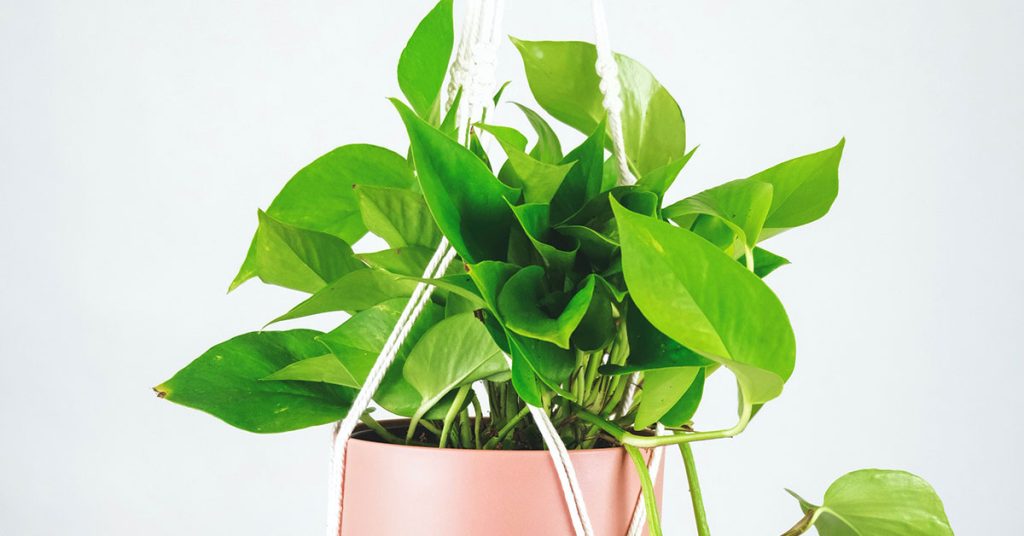
Incorporating air-purifying plants into your home during the winter months is a wonderful way to enhance both the beauty and health of your indoor environment. From the resilient Snake Plant and the elegant Peace Lily to the lush Boston Fern and the hardy ZZ Plant, each of these plants offers unique benefits that help cleanse the air and brighten your living spaces. By selecting the right plants, understanding their specific care requirements, and addressing common winter challenges, you can create a thriving indoor garden that keeps your home vibrant and your air fresh throughout the colder season.