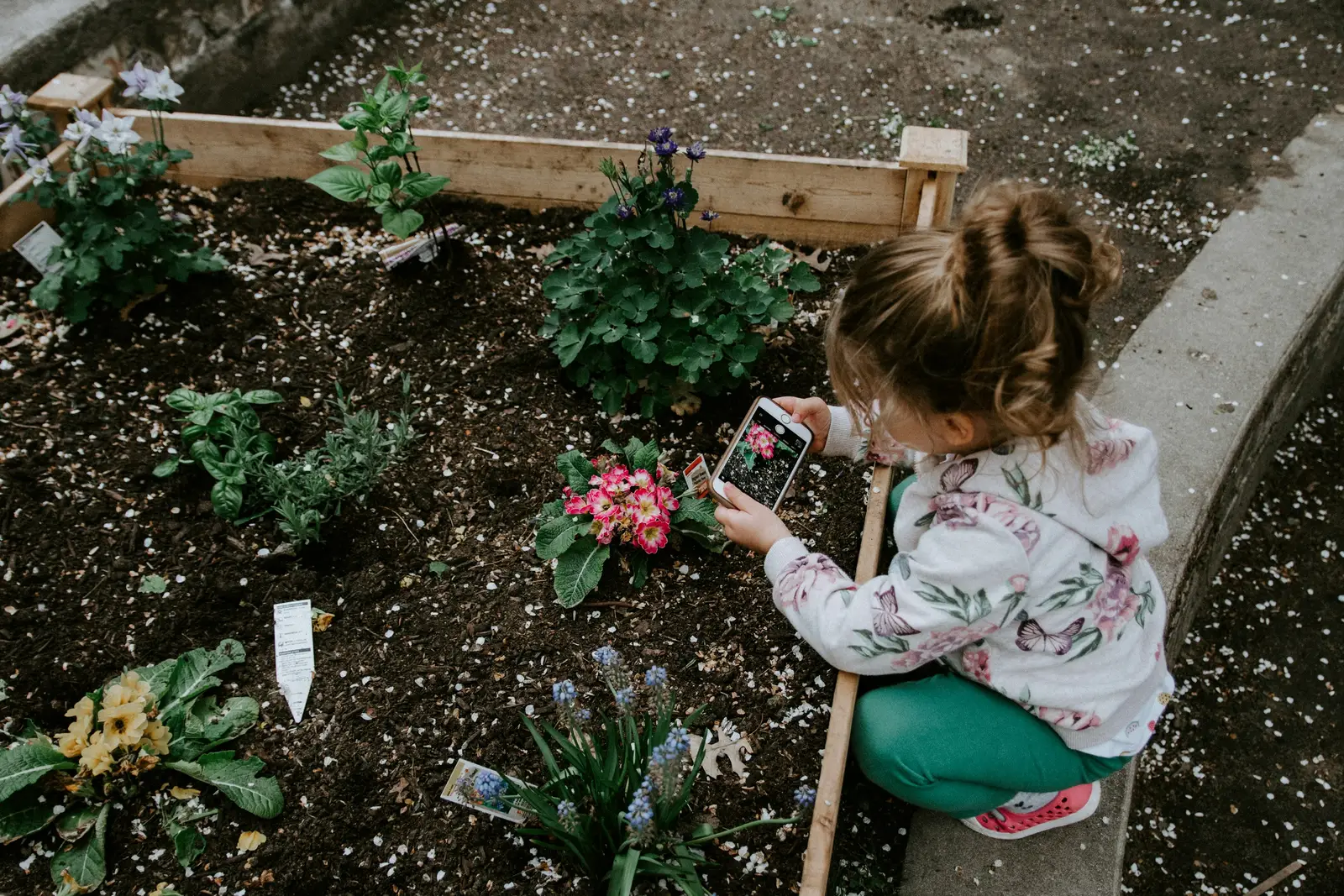

Many gardeners now reach for their phones at the first sign of trouble in the garden, expecting quick answers on everything from weed identification to disease treatment. Yet real-world tests and user reports reveal that these tools frequently overlook critical context such as local weather patterns or plant species differences. The gap between marketing claims and practical performance continues to frustrate those who rely on them most.
Early Hopes for Technology Give Way to Everyday Reliance
Before widespread adoption of advanced apps, gardeners looked forward to digital aids that could streamline tasks like spotting invasive plants or planning irrigation. That optimism has shifted into routine dependence, with many users assuming any available application holds reliable solutions. This change reflects broader access to smartphones but also highlights how little scrutiny some tools receive before download. Skepticism has grown among those who compare app outputs against personal observation. Simple searches for mail-order plants or seeds often prioritize price over reputation, leading to disappointing purchases from unverified sellers. Established review sources have stepped in to fill the void left by hasty decisions.
Plant Identification Tools Show Clear Strengths and Weaknesses
Dedicated identification applications have undergone independent evaluations, with some demonstrating solid performance when users select carefully vetted options. Others produce inconsistent results because they draw from limited datasets or fail to account for regional variations in appearance. Gardeners who skip background checks on these programs risk basing decisions on incomplete information. The same pattern appears in plant purchasing. Thorough investigations by outlets focused on consumer testing have rated mail-order suppliers for houseplants and outdoor varieties alike. These guides emphasize factors beyond cost, such as plant health guarantees and shipping reliability, helping users avoid common pitfalls.
Diagnostic Features Often Miss Local Conditions
Applications that analyze photos for plant problems promise targeted treatment suggestions, yet they operate without access to surrounding details like recent frosts or microclimate specifics. One reported case involved multiple plants showing clear signs of cold damage that an app labeled as a uniform fungal issue, recommending an ineffective household remedy. Such errors stem from the tools’ inability to integrate broader environmental data. Western New York gardeners, for instance, routinely encounter late-spring freezes that apps cannot contextualize. Experienced practitioners respond by trimming affected growth rather than applying unnecessary treatments. This approach preserves plant health without introducing unneeded interventions.
Trusted Resources Offer More Dependable Guidance
Review platforms that evaluate suppliers continue to serve as steady references for both indoor and outdoor plants. Users benefit from cross-checking app suggestions against these established ratings before making purchases or changes. Local knowledge, built over seasons of direct observation, remains the most consistent factor in successful outcomes. Developers continue refining these systems with additional data layers. Even so, the core limitation persists: automated advice cannot fully replicate the nuanced judgment that comes from familiarity with a specific garden setting. Gardeners who blend digital input with hands-on experience tend to achieve the most reliable results.
AI Disclaimer: This article was created with the assistance of AI tools and reviewed by a human editor.