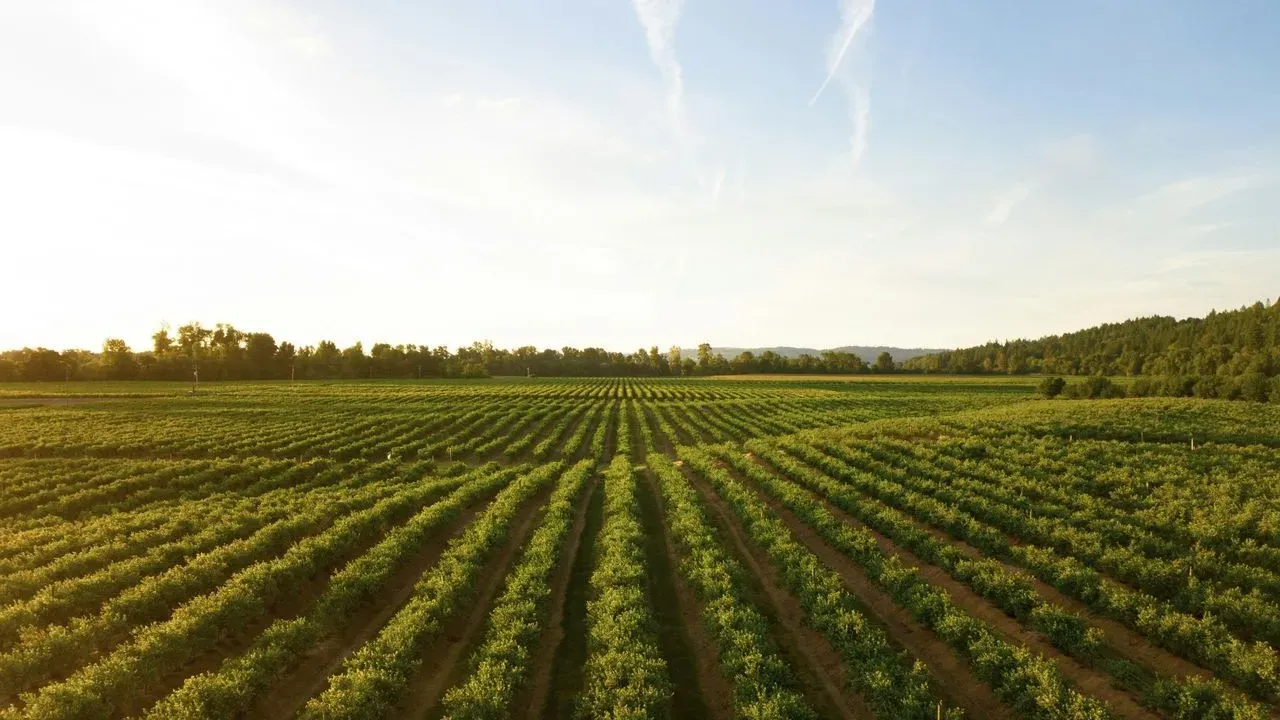

Farmers have long relied on experience and instinct to manage their fields, yet a new layer of technology is now stepping in to handle many of those choices. AI agents analyze soil conditions, weather forecasts, and crop data in real time, then recommend or carry out actions such as adjusting irrigation or spotting early signs of disease. The result is a quieter but steady shift in how food is grown, one that promises stronger harvests with fewer resources. ([1])
From Watching Data to Acting on It
For years, precision tools mainly collected information and left the final call to the person behind the wheel. Newer AI systems combine multiple streams of information and turn them into specific steps, such as how much water a particular section of a field needs that day. This move toward what some call autonomous agronomy reduces the number of separate decisions a farmer must make during a busy season. The change matters most where conditions vary within a single field. Soil type, slope, and small differences in sunlight can all affect growth, and the agents are designed to account for those details without requiring constant human oversight. Early applications already show measurable gains in output alongside lower input costs.
Real Results in Water and Yield
Some deployments have delivered crop increases as high as 40 percent while trimming water use by up to 30 percent. Equipment makers report similar efficiencies in chemical application. One widely used system treated more than five million acres last year and saved an estimated 31 million gallons of herbicide mix. These numbers reflect targeted use rather than blanket promises. The technology works best when it fits into existing routines instead of demanding a complete overhaul of daily operations. Farmers still review the recommendations and retain final authority over their land.
Adoption Remains Uneven
Despite the progress, core precision tools have reached fewer than one in four farms, and the pattern favors larger operations. Smaller and midsize farms often face hurdles around reliable internet connections and the cost of integrating different data sources. Experts note that full autonomy across an entire operation is still some distance away. Labor shortages and an average farmer age of 58 add pressure to find workable solutions. Government strategies now treat AI readiness as part of broader infrastructure planning, with attention to training and data standards alongside the hardware itself.
A Tool That Supports, Not Replaces
Researchers emphasize that decades of on-the-ground knowledge remain essential. The agents function as an additional resource that can handle repetitive calculations and scenario testing, freeing people to focus on the bigger picture of their operation. As climate pressures mount and markets demand more efficient production, the partnership between experienced growers and these systems is likely to deepen. The direction points toward wider use, provided the remaining technical and access barriers continue to shrink.
AI Disclaimer: This article was created with the assistance of AI tools and reviewed by a human editor.