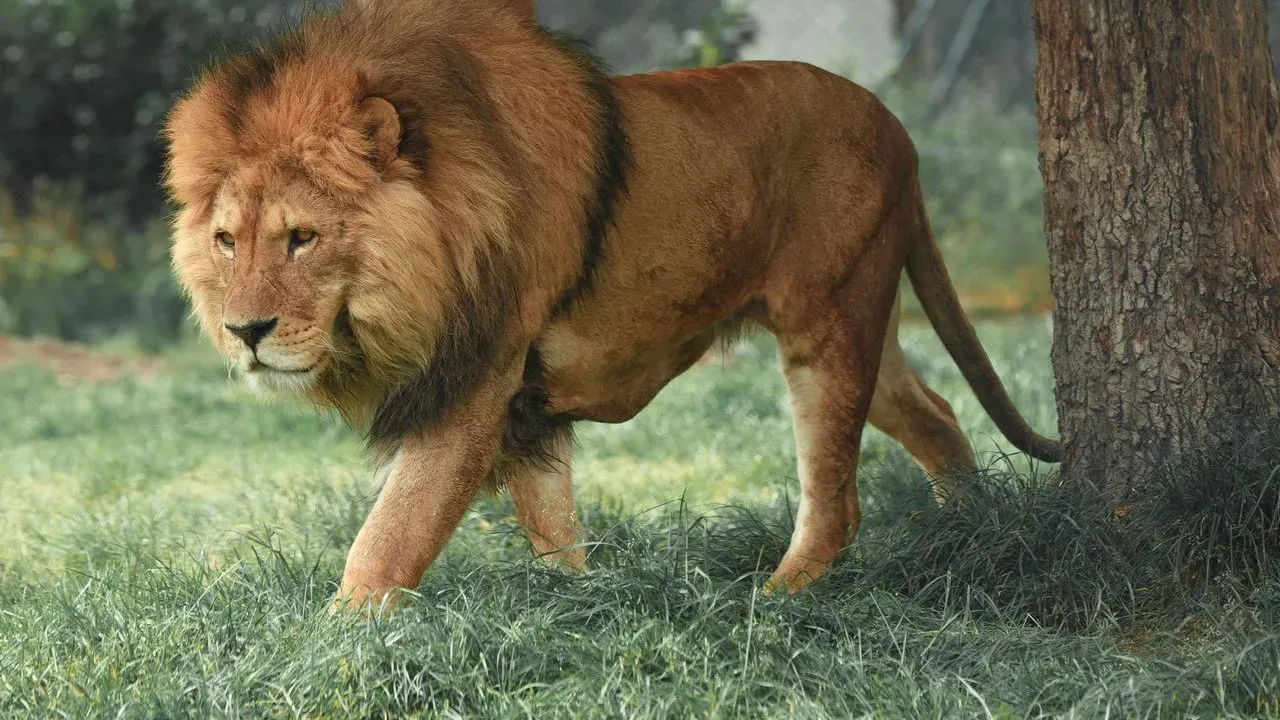

The Saint Louis Zoo is preparing to restore African lions to its collection following an absence that lasted longer than twelve months. One lion is scheduled to appear before visitors on Tuesday, with a second expected to arrive in the near term. The update restores a familiar presence to the facility and its regular attendees.
Why the Return Matters Now
Zoos maintain dynamic animal populations that shift over time due to breeding programs, health considerations, and transfers between institutions. The extended gap without lions at this particular site created a noticeable void in the big-cat exhibits. Restoring the animals addresses that gap and realigns the collection with visitor expectations built over many years. The practical effect is straightforward: families and school groups will once again encounter live African lions during regular visits. Staff can resume interpretive programs that highlight the species’ natural history and conservation status. The change also supports the zoo’s broader educational mission by reconnecting exhibits with live animals rather than empty habitats.
Timeline and Debut Schedule
The absence stretched beyond a full year, leaving the lion exhibits unoccupied for an extended period. Planning for the return involved coordination typical of accredited zoos, including transport logistics and acclimation protocols. Tuesday marks the first public viewing opportunity for one of the incoming lions. A second animal is slated to join the collection soon after the initial debut. This phased approach allows keepers to monitor each lion’s adjustment before expanding the group. Visitors should check the zoo’s daily schedule for exact exhibit hours once the animals are on display.
Impact on Visitors and Operations
Regular attendees will notice the restored activity in the lion habitats. The animals bring both visual interest and opportunities for staff-led talks that explain species behavior and habitat needs. Such programming tends to draw steady crowds during peak visiting hours. Behind the scenes, the return requires ongoing care routines already in place for other large carnivores. Feeding, enrichment, and veterinary oversight follow established standards for the species. The zoo’s operational teams have managed similar transitions in the past, ensuring continuity across the broader animal collection.
Looking Ahead
The arrival of the two lions represents a measured step toward rebuilding the exhibit’s full complement. Future decisions about additional animals or breeding arrangements will depend on standard institutional planning. For now, the focus remains on successful integration and public access. This development underscores how zoos balance long-term collection goals with day-to-day visitor experiences. The Saint Louis Zoo’s lion return provides a clear example of that ongoing work.
AI Disclaimer: This article was created with the assistance of AI tools and reviewed by a human editor.