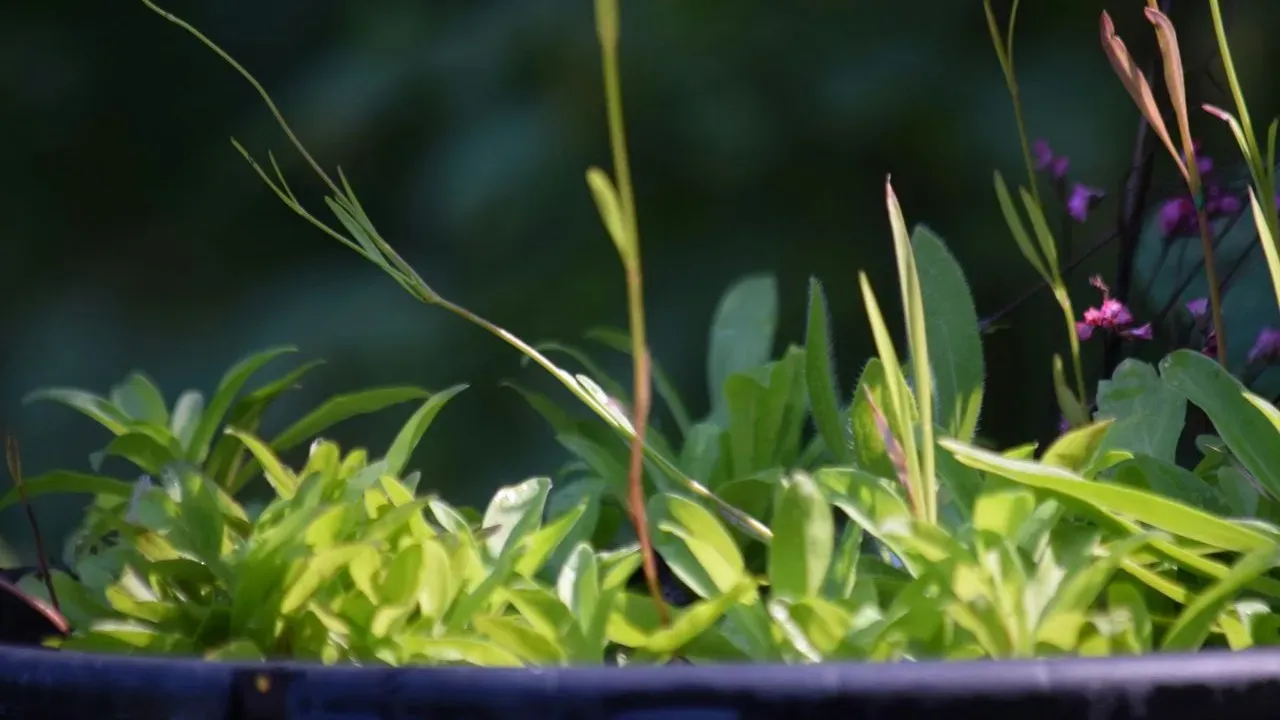

Jo Ann arrived in the Pacific Northwest with years of gardening experience from another region, only to confront an entirely different set of growing conditions. The relocation forced a complete reset of her approach to soil, timing, and plant selection. Months later, she is now reflecting on what has become her most productive spring on record.
The Scale of the Reset
A major relocation often disrupts established routines, and gardening is no exception. Jo Ann had to abandon familiar planting calendars and soil expectations that no longer applied. The transition required patience as she observed local patterns rather than relying on prior habits.
Many gardeners who move long distances report similar adjustments. The Pacific Northwest’s mild winters and extended wet seasons differ sharply from drier or more extreme climates elsewhere in the country. Jo Ann focused first on understanding these baseline differences before expanding her plantings.
Key Climate Shifts in the New Region
The Pacific Northwest presents consistent moisture, cooler summers, and a longer shoulder season for many crops. These factors can extend the growing window for certain plants while limiting others that prefer intense heat or rapid drainage. Jo Ann tracked rainfall and temperature trends closely during her first full year.
Soil composition also demanded attention. Native soils in parts of the region tend toward acidity and heavy clay in places, requiring amendments to support a wider range of vegetables and ornamentals. Jo Ann tested and adjusted her beds gradually rather than attempting wholesale changes at once.
Timing proved equally important. Spring arrives steadily but can linger with cool temperatures, delaying some warm-season crops. By aligning her schedule with local indicators instead of old-zone assumptions, Jo Ann avoided early losses and achieved better establishment rates.
Results That Surpassed Expectations
This spring delivered stronger yields and healthier plants than Jo Ann had anticipated. The combination of adapted practices and the region’s natural advantages produced visible improvements in growth and bloom times. She described the outcome as a direct result of the reset rather than any single technique.
Observers of similar transitions note that the second or third season after a move often brings the clearest gains. Jo Ann’s experience aligns with that pattern, showing how sustained observation can turn initial challenges into reliable advantages.
Looking Ahead
Jo Ann continues to refine her methods with each season. The Pacific Northwest’s variable microclimates offer ongoing opportunities for experimentation within a supportive overall environment. Her current success provides a foundation for further expansion without repeating earlier setbacks.
Gardeners facing comparable moves can draw a practical lesson: local conditions reward those who treat the first year primarily as a period of learning rather than immediate production. The payoff, as Jo Ann has found, can arrive sooner than expected when that approach is followed consistently.
AI Disclaimer: This article was created with the assistance of AI tools and reviewed by a human editor.