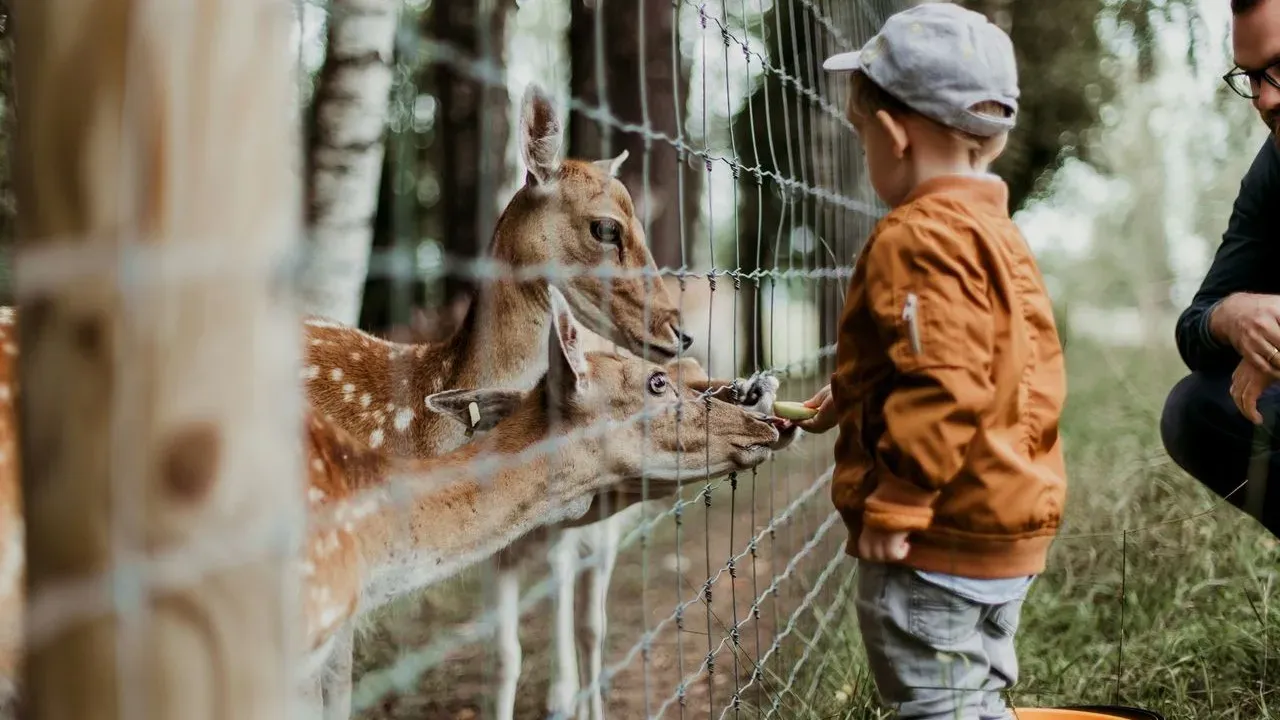

A longtime food safety advocate who first raised concerns about petting zoos in 2004 has now outlined specific restrictions following fresh E. coli investigations at three fall attractions. Bill Marler, writing in Food Safety News, points to cases linked to Bengtson’s Pumpkin Farm in Illinois, Brookshire Farms in California, and the State Fair of Texas as the latest in a long pattern of illness among young visitors. ([1]) His shift comes after repeated calls for better safeguards that, in his view, have not prevented harm.
Recent Cases Renew Old Concerns
Health officials in three states opened probes this month into Shiga toxin-producing E. coli tied to animal contact at seasonal events. At Bengtson’s Pumpkin Farm in Homer Glen, Illinois, five confirmed cases emerged among visitors aged 4 to 38, with four hospitalizations reported before the petting zoo closed on October 23. Brookshire Farms in San Luis Obispo, California, recorded five confirmed cases spanning an exposure period from October 16 to 26 and voluntarily shut down. In Dallas, authorities are examining up to seven possible pediatric cases, some requiring intensive care, connected to the State Fair of Texas petting zoo. These incidents echo earlier outbreaks that Marler has tracked since the early 2000s. The pattern shows young children disproportionately affected, with risks including severe complications such as kidney failure. Investigations continue, and no link among the three sites has been established yet.
Two Decades of Warnings
Marler first questioned the safety of petting zoos in a 2004 column after fair-related E. coli illnesses. He repeated the query in 2012, 2015, and 2019 following additional child deaths and outbreaks at events in Maine, North Carolina, and San Diego. Each time he stopped short of a full ban, instead urging signage, hand-washing stations, and better animal management. Over the years his columns documented outbreaks even in states with guidelines. He noted that voluntary recommendations from health authorities have not curbed the problem, while some states with stronger rules still saw incidents. Insurers and fair operators have quietly removed some exhibits after claims or premium hikes, creating an uneven de facto reduction rather than uniform policy.
Targeted Restrictions Proposed
Marler now supports three focused limits rather than a blanket prohibition. No direct contact should occur for children under five with the highest-risk animals, such as preweaned calves, lambs, or goat kids. Any venue offering animal contact must supply soap and running water at exits, with sanitizer never accepted as a substitute. Every operator, including traveling exhibits, should require a state permit and inspection before opening to the public. These measures draw from existing laws in Pennsylvania, North Carolina, and Washington. Marler argues they address the core gaps that guidelines alone have left unclosed. He also outlines a broader model framework that includes staff oversight at exits, clear warning signs in multiple languages, restrictions on food and bottles in animal areas, veterinary records, liability insurance, and mandatory public reporting of linked illnesses.
Practical Steps for Families and Operators
Parents can reduce risk by ensuring children wash with soap and water immediately after any animal area, even without visible contact. They should keep bottles, pacifiers, and snacks away from exhibits and seek medical care promptly for bloody diarrhea or signs of kidney issues within ten days of a visit. Operators and fair boards can install proper sinks, staff exits, and post plain-language warnings without waiting for new statutes. Legislators in the affected states face open investigations that could prompt action. Marler suggests insurers could require the same protections before issuing policies. The goal remains preserving educational contact with animals while preventing the most serious outcomes for the youngest visitors.
AI Disclaimer: This article was created with the assistance of AI tools and reviewed by a human editor.