
Welcome to the world of Abate Fetel pears, a delightful and sought-after variety that is sure to captivate any gardener’s heart. Known for its exceptional flavor, elegant shape, and vibrant golden color, the Abate Fetel pear tree is a true gem in the world of fruit trees. Originating from Italy, this pear variety has gained popularity worldwide due to its delectable taste and versatility in culinary creations.
In this article, we will explore the secrets to successfully growing Abate Fetel pear trees, from selecting the right planting location to providing the ideal care and maintenance. Whether you are a seasoned gardener or a beginner, get ready to embark on a journey of cultivating these luscious pears right in your own backyard.
What are Abate Fetel Pears?
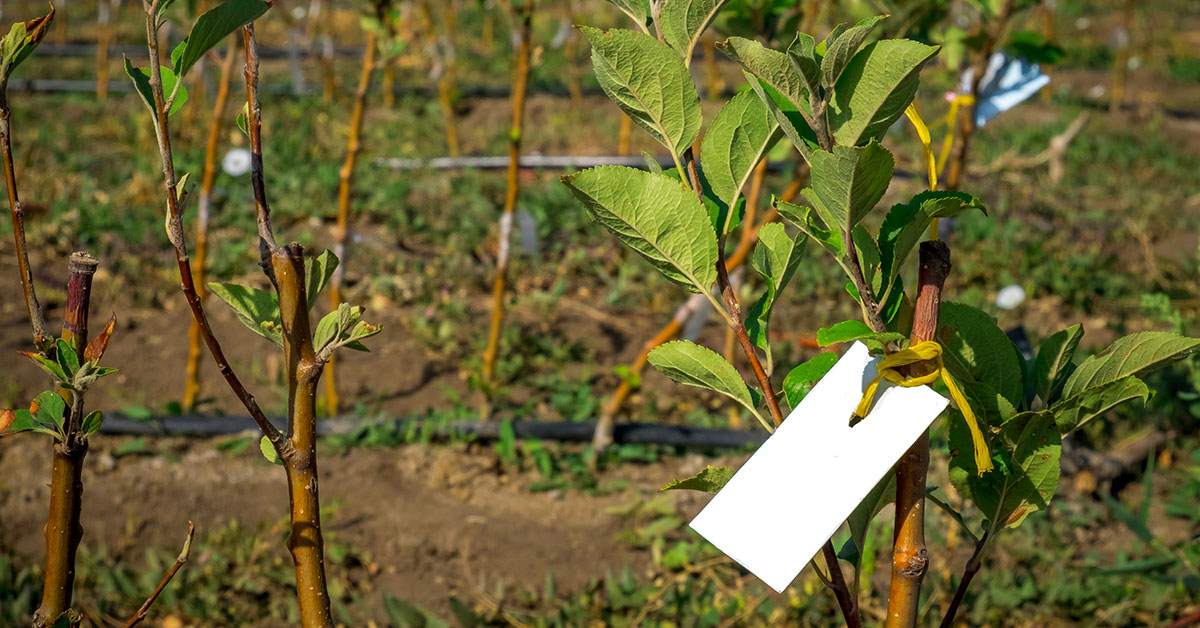
Abate Fetel is a popular variety of pear tree known for its delicious and sweet fruit. Originating in Italy, it is now widely cultivated in many parts of the world. The Abate Fetel pear tree is a medium-sized tree with a pyramidal shape and a dense canopy. It typically reaches a height of 15-20 feet and spreads about 10-15 feet wide. The leaves are glossy and dark green, providing an attractive backdrop to the tree’s beautiful white flowers that bloom in spring.
The fruit of the Abate Fetel pear is large, elongated, and has a distinctive yellow-green skin with russet patches. It has a smooth and buttery texture, with a sweet and juicy flavor that is often described as honey-like. The pears are usually ready for harvest in late summer or early fall, and they have a good storage life, making them a favorite among pear enthusiasts. The Abate Fetel pear tree is relatively easy to grow, requiring full sun exposure and well-drained soil. It is also known for its resistance to certain diseases, making it a low-maintenance choice for home gardeners and orchard growers alike.
What do Abate Fetel Pears taste like?
The Abate Fetel pear is known for its exceptional flavor profile, making it a favorite among pear enthusiasts. It is a variety that originated in Italy and has gained popularity worldwide due to its unique and delicious taste.
The flavor of Abate Fetel pears can be described as sweet, juicy, and aromatic. They have a rich, honey-like sweetness with a hint of citrus undertones. The texture of the pear is smooth and buttery, melting in your mouth with each bite.
One of the distinguishing characteristics of Abate Fetel pears is their intense aroma. When ripe, they emit a delightful fragrance that is often compared to a mix of tropical fruits and floral notes. This aroma enhances the overall sensory experience of enjoying this pear variety.
The balance of sweetness and acidity in Abate Fetel pears is well-regarded, providing a pleasant contrast that keeps the flavor interesting and refreshing. The sweetness is not overpowering, allowing the natural flavors of the pear to shine through.
Overall, the flavor profile of Abate Fetel pears is a harmonious combination of sweetness, juiciness, and aromatic notes, making them a delectable choice for fresh eating, baking, or incorporating into various culinary creations.
How to start Abate Fetel Pears from Seeds
Abate Fetel is a popular variety of pear tree known for its sweet and juicy fruit. Here is a guide on starting Abate Fetel pear trees:
- Choosing the Right Location: Abate Fetel pear trees thrive in full sun, so select a location in your garden that receives at least 6-8 hours of direct sunlight per day. The soil should be well-draining, fertile, and slightly acidic with a pH level between 6.0 and 7.0.
- Obtaining Graft Stock: As you mentioned, graft stock is preferred for fruit trees. Look for a reputable nursery or garden center that offers Abate Fetel pear tree grafts. Grafting ensures that the tree will produce fruit true to the desired variety.
- Planting the Tree: Dig a hole that is wide and deep enough to accommodate the root system of the graft stock. Place the tree in the hole, making sure that the graft union (the swollen area where the scion is attached to the rootstock) is above the soil line. Backfill the hole with soil, gently firming it around the roots. Water the tree thoroughly after planting.
- Watering and Mulching: Pear trees require regular watering, especially during the first few years of establishment. Water deeply once a week, providing enough moisture to penetrate the root zone. Apply a layer of organic mulch around the base of the tree, leaving a few inches of space around the trunk to prevent rot.
- Pruning and Training: Pruning is essential for shaping the tree and promoting healthy growth. In the first year, focus on establishing a central leader by selecting a strong, upright shoot as the main trunk. Remove any competing branches or suckers. In subsequent years, prune to maintain an open center and remove any dead, damaged, or crossing branches.
- Fertilizing: Abate Fetel pear trees benefit from regular fertilization to ensure optimal growth and fruit production. Apply a balanced, slow-release fertilizer in early spring before new growth begins. Follow the manufacturer’s instructions for application rates.
- Pest and Disease Control: Monitor your pear tree regularly for signs of pests or diseases such as pear psylla, fire blight, or codling moth. Consult with your local extension office or a horticulturist for specific recommendations on pest and disease control in your area.
- Harvesting: Abate Fetel pears are typically ready for harvest in late summer or early fall. The fruit should be firm but not overly hard. Twist the pear gently, and if it comes off easily, it is ready to be picked. Allow the harvested pears to ripen at room temperature for a few days before enjoying their sweet, juicy flavor.
Remember that growing pear trees requires patience and care. Regular maintenance, proper watering, and protection against pests and diseases will help ensure a healthy and productive Abate Fetel pear tree in your garden.
When to plant Abate Fetel Pears outdoors
The ideal time to plant Abate Fetel pear trees is during the dormant season, which is typically in late winter or early spring. This allows the tree to establish its roots before the growing season begins. Planting in late winter or early spring also ensures that the tree will have enough time to acclimate to its new surroundings and develop a strong root system before the onset of summer heat.
Growing & care guide Abate Fetel Pears
Abate Fetel pear trees are a popular choice among gardeners due to their delicious, sweet, and juicy fruits. To ensure the health and productivity of your Abate Fetel pear tree, it is important to follow some best practices for caring for it. Here are some key guidelines:
- Planting: Choose a sunny location with well-draining soil for your Abate Fetel pear tree. The soil should be rich in organic matter and have a pH level between 6.0 and 7.0. Plant the tree in early spring, making sure to dig a hole that is wide and deep enough to accommodate the roots without crowding.
- Watering: Proper watering is crucial for the establishment and growth of your pear tree. Water deeply and thoroughly, ensuring that the soil is evenly moist but not waterlogged. During the first year, water the tree regularly, especially during dry spells. Mature trees generally require about 1 inch of water per week, either from rainfall or supplemental irrigation.
- Pruning: Pruning is essential for shaping the tree, promoting airflow, and maintaining its overall health. Prune your Abate Fetel pear tree during the dormant season, preferably in late winter or early spring. Remove any dead, damaged, or diseased branches. Thin out crowded areas to improve sunlight penetration and airflow. Aim for an open center or modified central leader shape, allowing the tree to receive adequate sunlight.
- Fertilizing: Pear trees, including Abate Fetel, benefit from regular fertilization to ensure optimal growth and fruit production. Apply a balanced fertilizer, such as a 10-10-10 or 14-14-14, in early spring before new growth begins. Follow the manufacturer’s instructions for application rates. Avoid over-fertilizing, as excessive nitrogen can lead to excessive vegetative growth at the expense of fruit production.
- Pest and Disease Control: Abate Fetel pear trees are susceptible to various pests and diseases, including pear psylla, codling moth, fire blight, and pear scab. Regularly inspect your tree for signs of infestation or disease, such as distorted leaves, fruit damage, or oozing cankers. Implement integrated pest management strategies, including cultural practices, such as proper sanitation, and the use of organic or chemical controls when necessary. Consult with your local extension office or a certified arborist for specific recommendations.
- Harvesting: Abate Fetel pears are typically ready for harvest in late summer or early fall. The fruits should be firm but not hard when gently squeezed. Harvest the pears carefully, avoiding any bruising or damage. Store them in a cool, dark place with good ventilation to allow them to ripen fully. Check on the fruits regularly and consume or refrigerate them once they reach the desired ripeness.
By following these best practices, you can ensure the successful growth and productivity of your Abate Fetel pear tree. Remember to monitor the tree regularly, provide adequate care, and address any issues promptly to enjoy a bountiful harvest of delicious pears.
Harvesting guide for Abate Fetel Pears
The Abate Fetel pear is a popular variety known for its sweet and juicy flavor. Harvesting this pear at the right time is crucial to ensure optimal taste and texture. Here’s a guide on when and how to harvest Abate Fetel pears:
- Timing: Abate Fetel pears are typically ready for harvest in late summer or early fall, depending on your specific climate and growing conditions. The exact timing can vary, so it’s essential to observe the fruit closely.
- Color: One of the key indicators of ripeness in Abate Fetel pears is their color. When the pears are ready to be harvested, they will have a golden-yellow hue with a slight blush of red on their skin. Avoid harvesting them when they are still green, as they won’t ripen properly off the tree.
- Firmness: Gently press the pear near the stem to check its firmness. When the fruit is ripe, it should yield slightly to pressure without being too soft. If it feels too firm, leave it on the tree for a few more days. On the other hand, if it feels mushy, it may be overripe.
- Harvesting: To harvest Abate Fetel pears, use a pair of pruning shears or a sharp knife. Cut the stem about half an inch above the fruit, leaving a small portion of the stem intact. Avoid pulling or twisting the pear, as this can damage the fruit or the tree.
- Handling: Handle the harvested pears with care to prevent bruising or damage. Place them gently in a shallow container or basket, making sure not to stack them on top of each other. Avoid overcrowding, as this can lead to bruising.
- Ripening: Abate Fetel pears are typically harvested when they are still slightly underripe. To ripen them, place the pears in a cool, dark, and well-ventilated area, such as a cellar or pantry. Check them regularly and remove any pears that show signs of decay or overripeness.
- Storing: Once the pears have ripened, you can transfer them to the refrigerator to extend their shelf life. They can last for several weeks when stored properly.
Remember, pears are best when allowed to ripen on the tree, but Abate Fetel pears can be harvested slightly underripe and still develop their full flavor and sweetness. By following these guidelines, you can enjoy delicious and perfectly ripe Abate Fetel pears from your garden.