

Most of us don’t think about climate policy when we toss wilted spinach in the trash. Yet the kitchen is one of the most wasteful rooms in any household, and the numbers behind that quiet daily habit are striking. Changing a few things in how we shop, store, cook, and clean can meaningfully shift our footprint, not in a dramatic overnight way, but steadily, practically, and in ways that also save money.
This guide walks through ten concrete steps to build a zero-waste kitchen from the ground up, backed by what the latest research actually shows.
Understanding Why the Kitchen Is Ground Zero for Waste

In 2022, the world wasted 1.05 billion metric tons of food, amounting to nearly one-fifth of all food available to consumers at the retail, food service, and household levels. That figure alone is sobering, but the household share makes it personal. Out of the total food wasted globally in 2022, households were responsible for 631 million metric tons, equivalent to roughly sixty percent of the total.
Food loss and waste account for eight to ten percent of annual global greenhouse gas emissions, nearly five times the total emissions from the aviation sector. When food rots in a landfill, it doesn’t just disappear. In landfills, wasted food breaks down and releases methane, a greenhouse gas twenty-five times more potent than carbon dioxide.
Reducing food waste is one of the top solutions to climate change, according to Project Drawdown. The kitchen, then, is not just a place where meals are made. It’s where a surprisingly large portion of the problem can also be solved.
Start With a Waste Audit

Before changing anything, it helps to understand exactly what’s leaving your kitchen as trash. Spend one to two weeks paying close attention to what you throw away, noting patterns in expired produce, packaging, and leftovers that never got used.
In the US, produce represents the largest food category that is wasted, followed by prepared foods. If your audit reveals the same, that’s a clear signal to address how you buy and store fresh produce before anything else. Look in your garbage bin and take note of what you’re sending to the landfill, and ask what package-free, reusable, or sustainable option you could use instead.
A waste audit takes about ten minutes a week and pays dividends in clarity. It turns vague sustainability goals into something specific and actionable.
Plan Meals Before You Shop
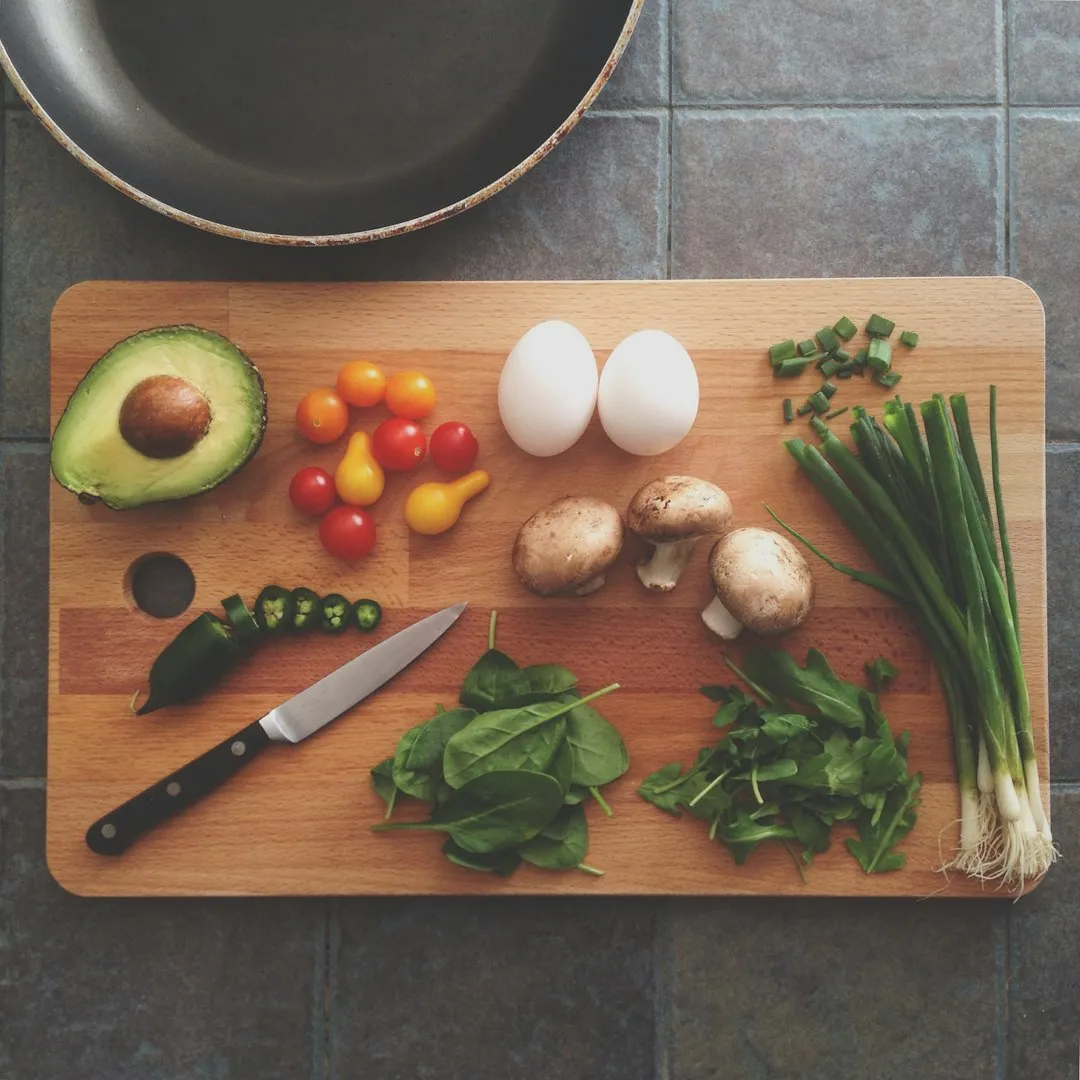
Meal planning is the practice of deciding in advance what meals you’ll prepare and eat over a set period, usually a week. At its core, it’s about intentional eating, buying and cooking what you actually need and want. It sounds simple because it is, but most households skip this step entirely.
Meal planning is a low-effort, high-impact strategy that empowers individuals and families to reduce food waste, save money, and shrink their carbon footprints. Planning around what you already have in the fridge before writing a shopping list is especially effective. Try to only buy what you need and use what you have, going grocery shopping with a proper list that plans your food for the week.
Switch to Reusable Food Storage
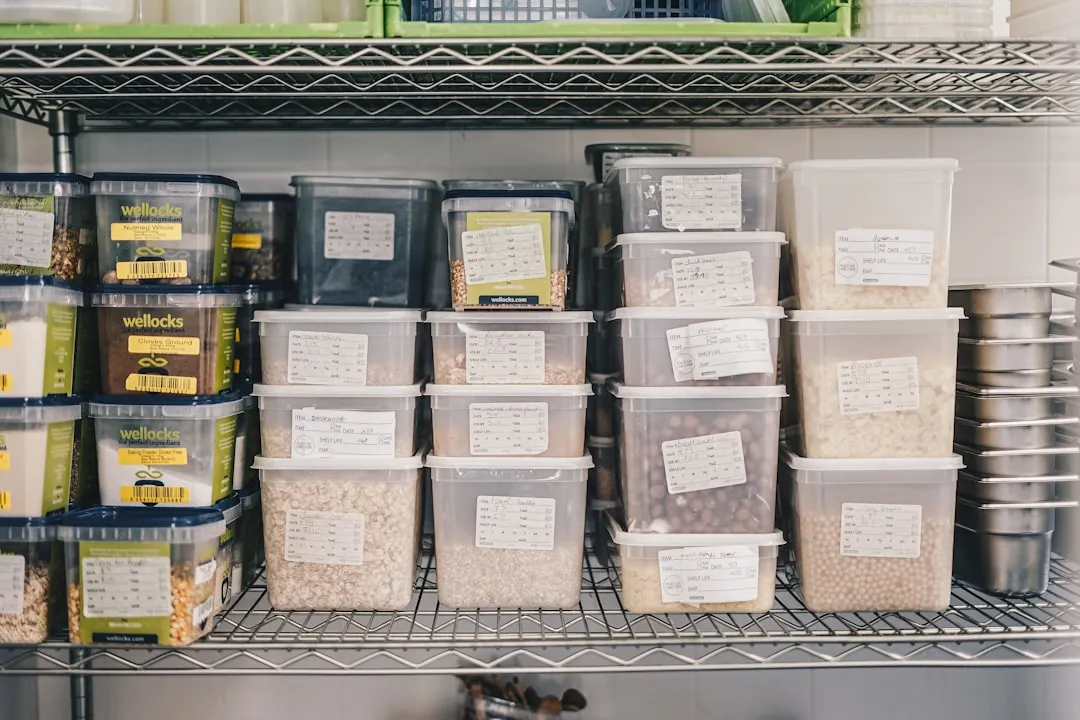
Single-use plastic bags and plastic wrap are among the most avoidable items in a kitchen. They add up quickly, and they almost always end in a landfill. Replacing single-use plastic bags and containers with durable, reusable alternatives like glass jars or stainless steel tins is more eco-friendly and keeps food fresher for longer.
Glass jars for pantry staples, silicone bags instead of plastic zip-locks, and stainless steel or bamboo containers for leftovers are all practical starting points. These swaps don’t require a complete kitchen overhaul. Instead of buying new glass containers, try repurposing glass jars from items like pasta sauce or pickles, which can be used to store food, spices, and even leftovers.
Buy in Bulk and Reduce Packaging Waste

One of the most direct ways to cut kitchen waste is to reduce the packaging that enters your home in the first place. Purchasing pantry staples in bulk reduces packaging waste, and bringing reusable bags or containers to local bulk stores lets you stock up on essentials like grains, nuts, and spices without single-use wrapping.
Purchasing dry goods like beans, pasta, and grains in bulk and storing them in reusable containers helps reduce packaging waste significantly. Farmers markets are another strong option. Supporting local farmers’ markets provides access to fresher, package-free food while often reducing the supply chain distance that food travels before it reaches your kitchen.
Start Composting Food Scraps

Composting is one of the highest-impact habits a household can adopt, and it’s more accessible than many people assume. Instead of tossing food scraps into the trash, starting a compost bin turns organic waste into nutrient-rich soil, which is perfect for gardening. Even a small countertop bin can make a noticeable difference in what ends up at the landfill.
Food waste is the number one material in US landfills, with EPA estimates showing food scraps represented twenty-four percent of material sent to landfill, making it the main contributor to methane emissions produced from decomposing organic matter. EPA research also indicates that diverting food waste from landfill reduces the methane generation potential by roughly one third.
Community compost programs accept food waste if you can’t compost at home, so lack of outdoor space doesn’t have to be a barrier. The step from knowing composting matters to actually starting is usually smaller than it feels.
Use Every Part of What You Buy
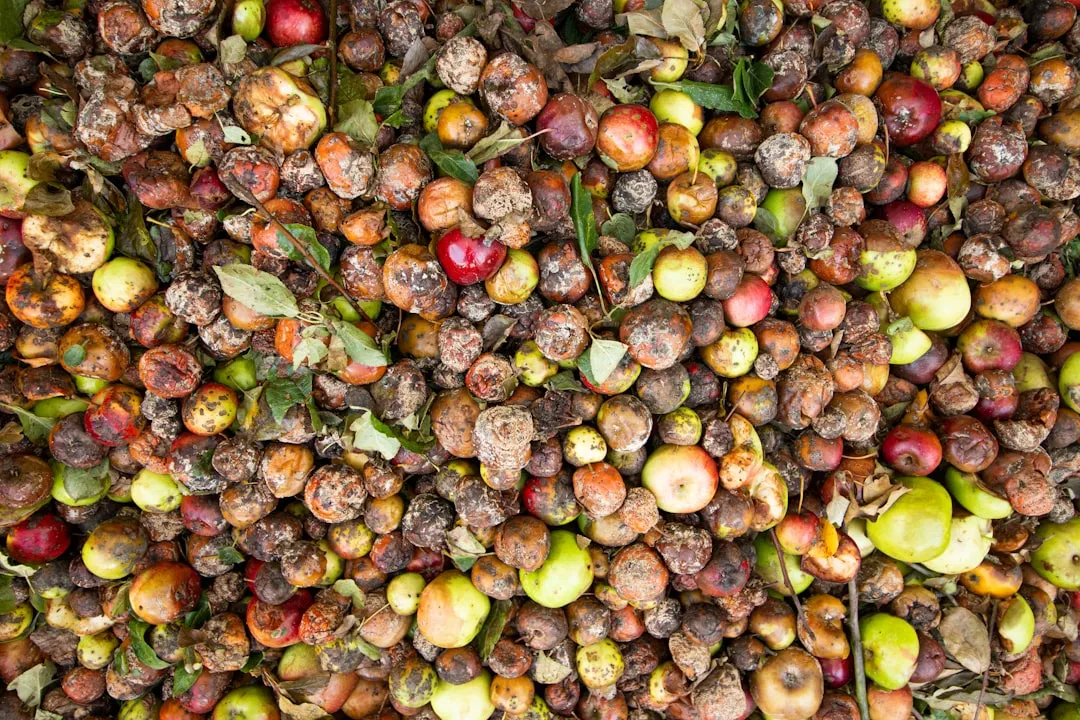
Much of what gets discarded in the kitchen is actually usable. Vegetable tops, stems, peels, and bones are often thrown out by habit rather than necessity. Small, deliberate changes like turning carrot tops into pesto or switching plastic utensils for bamboo can collectively make a significant difference.
Getting creative with leftovers by transforming them into new meals is a practical habit: roasted vegetables can become a delicious soup, and stale bread can be used for breadcrumbs. Using seasonal vegetables means fewer emissions from transportation and refrigeration, and buying whole vegetables means less waste in the bin.
Rethink Beverages and Hot Drinks
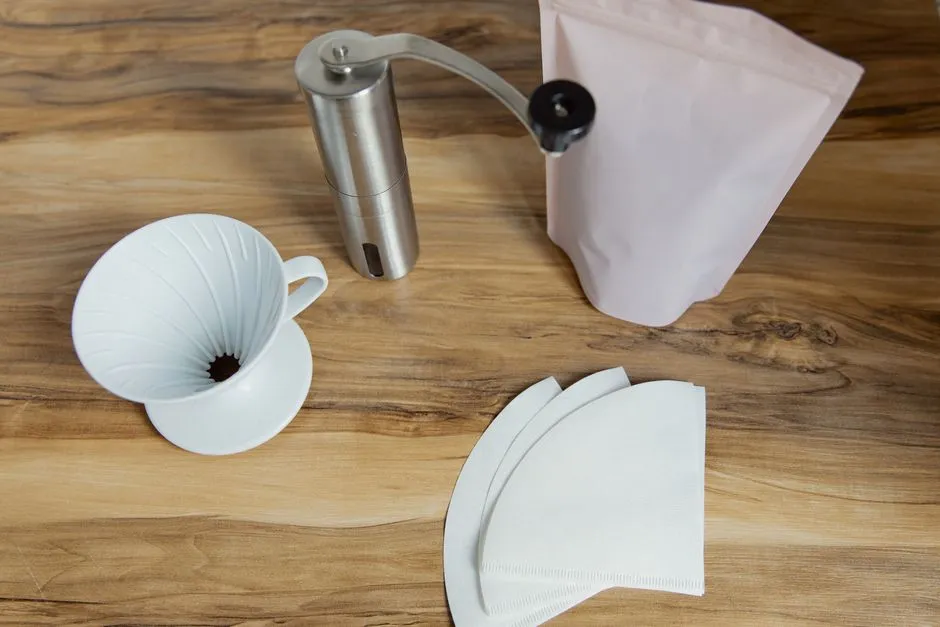
Coffee and tea routines generate more waste than most people account for. Single-use pods, disposable filters, and individually wrapped tea bags all add up across a year. K-cup type machines that use coffee pods are single-use and very wasteful.
Using a reusable stainless steel or cloth coffee filter is a straightforward fix, and used coffee grounds can be repurposed as compost or mulch if you have a garden. Buying loose-leaf tea rather than tea bags, which may contain plastic, is another solid swap, as tea leaves are compostable and metal tea balls are reusable. These are small habits that remove waste from a daily routine without any real inconvenience.
Swap Conventional Cleaning Products for Low-Waste Alternatives

Kitchen cleaning is often overlooked in zero-waste discussions, but plastic bottles of cleaning solution represent consistent packaging waste. Simple, proven alternatives exist. Vinegar and baking soda work as a natural all-purpose cleaner, lemon peels soaked in vinegar produce a fresh citrus cleaner, and castile soap diluted with water functions as an effective dishwashing liquid.
Choosing sustainable alternatives like glass, stainless steel, wood, or bamboo for cooking, storage, and utensils helps cut waste and limits exposure to harmful microplastics and toxins. Replacing paper towels with cloth rags is another step worth taking. Cloth napkins instead of paper ones reduce a recurring waste stream that rarely gets a second thought.
The Broader Picture: What Individual Action Actually Adds Up To

For a household of four, the estimated annual cost of food waste is roughly $2,913, with a weekly cost of around $56, according to a 2025 EPA report. That’s a meaningful financial case, separate from the environmental one. People in the US spent $261 billion on food they didn’t ultimately eat in 2023, according to ReFED.
The 2026 International Day of Zero Waste focused specifically on food waste, underscoring the scale of the challenge and the global momentum now coalescing behind solutions. The EU has set a legally binding target to reduce food waste by thirty percent per capita across retail, catering, food services, and households by the end of 2030. Individual households don’t operate in isolation from this policy landscape. Every small reduction contributes to the targets governments are now legally obligated to meet.
Japan achieved a thirty-one percent reduction in total food waste per capita between 2008 and 2020, demonstrating that large-scale change is genuinely possible. The habits described in this guide are neither radical nor expensive. They are, in aggregate, exactly the kind of behavior shift that moves the needle.
Building Habits That Stick

The biggest obstacle to a zero-waste kitchen isn’t knowledge, it’s momentum. Starting with one or two changes and adding more gradually tends to be far more durable than trying to overhaul everything at once. Progress beats perfection: if you’re overwhelmed by the amount of plastic in your life, just pick one item a month and look for a more sustainable option.
Transforming your kitchen into a sustainable haven doesn’t require an overnight overhaul. A meal plan this week, a compost bin next month, bulk shopping the month after. Each step builds on the last. Adopting a zero-waste kitchen significantly reduces environmental impact by minimizing food waste and plastic use, with key strategies including meal prepping, using reusable containers, and composting scraps.
The kitchen is where we nourish ourselves every day. It makes sense that it’s also where we can build the most consistent habits of care, for our households, our budgets, and the systems that feed us all. Small, sustained choices in this one room carry more weight than they appear to at first glance.
AI Disclaimer: This article was created with the assistance of AI tools and reviewed by a human editor.