
Spring is one of the most rewarding times to get your hands into the soil, and if you’ve been eyeing that overflowing succulent shelf or the lush African violet on a friend’s windowsill, this is your season. Leaf cutting propagation is exactly what it sounds like: you take a leaf, give it the right conditions, and watch a whole new plant emerge from almost nothing. It sounds almost too simple to be real, but the biology behind it is surprisingly well understood, and the practical techniques have been refined over decades of horticultural research.
What Leaf Cutting Propagation Actually Is
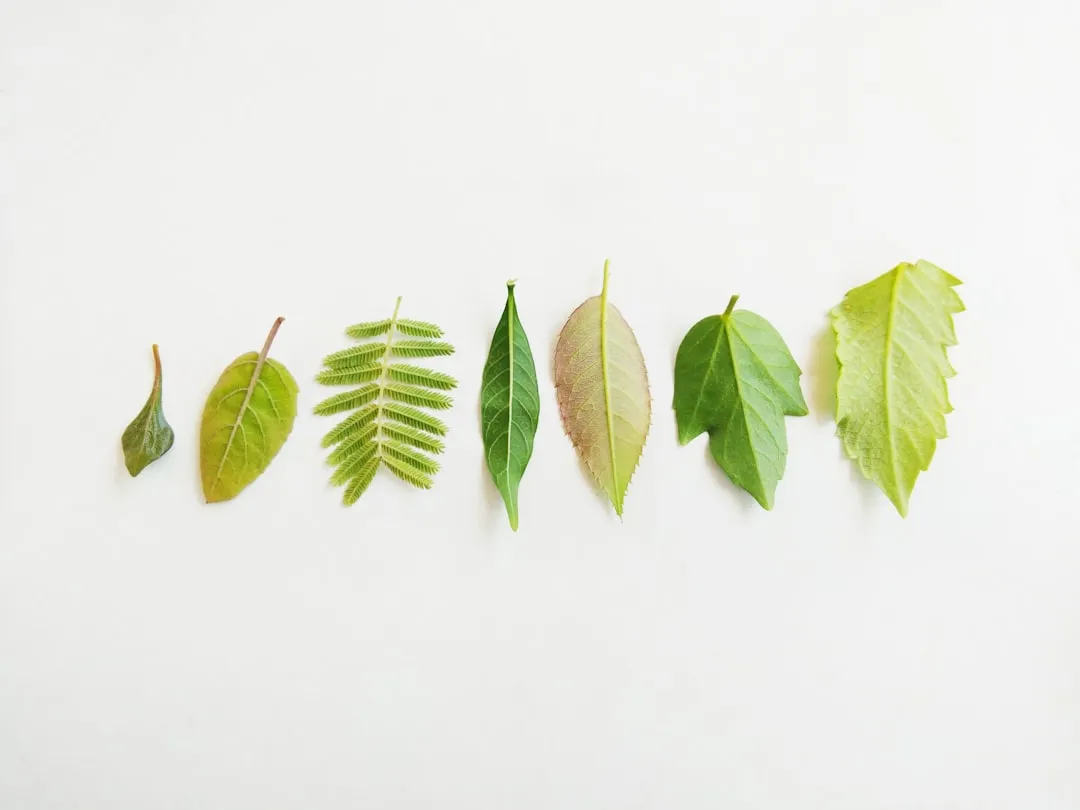
Many plants with soft, fleshy foliage have developed the ability to reproduce themselves from leaves. Considering that some plants grow hundreds of leaves, you can appreciate the propagation potential for these species. The process relies on the plant’s own cellular machinery to regenerate entirely new root and shoot systems from a single detached leaf.
All plants have something called a meristem. It’s the part of the plant that contains cells that are capable of dividing and developing into other types of tissue. That means the meristematic cells can become roots, leaves, stems, petioles, or any other part of the plant. Understanding this is what makes leaf propagation feel less like magic and more like biology working in your favor.
Leaf propagation is much faster and more reliable than propagating plants from seed. For a beginner, that reliability matters a lot, especially in the early weeks when patience is tested and nothing seems to be happening above the soil.
The Best Plants to Start With
Some species that can be propagated from leaf cuttings include Crassula ovata (Jade), Sansevieria (Snake plant), many species of succulents including Sedum morganianum (Burro’s tail), Peperomia, and Zamioculcas zamiifolia (ZZ plant). These are reliable choices for beginners because they’re forgiving and root fairly readily.
Taking whole leaf cuttings is a suitable method of propagation for plants such as Sinningia (syn. Gloxinia), African violet (Streptocarpus syn. Saintpaulia), and Peperomia. These plants have been propagated by home gardeners and professional horticulturists alike for generations, making them well-documented and reliable starting points.
Succulents such as Kalanchoe, Echeveria, and Crassula (for example Crassula ovata, the jade plant) are very successful when propagated by leaf cuttings. The high water content in their leaves gives each cutting enough stored energy to survive while new roots are developing.
Why Spring Is the Right Time
The best time of year for propagation is typically during spring and summer when plants are actively growing. Many species go dormant in late fall and winter, and that means they might not develop roots before rot sets in. Timing your cuttings with the natural growth cycle dramatically improves your odds.
Early spring is the ideal time to propagate by cuttings, although most houseplants can be successfully propagated any time of the year. Spring still holds an edge, though, because rising temperatures and longer daylight hours trigger active cell division throughout the plant.
Leaf cuttings take at least six weeks to form new leaves, depending on conditions and the season, with growth being faster in spring and summer. Starting in spring gives your cuttings the full warm season to establish themselves before conditions cool again.
How to Select a Healthy Leaf
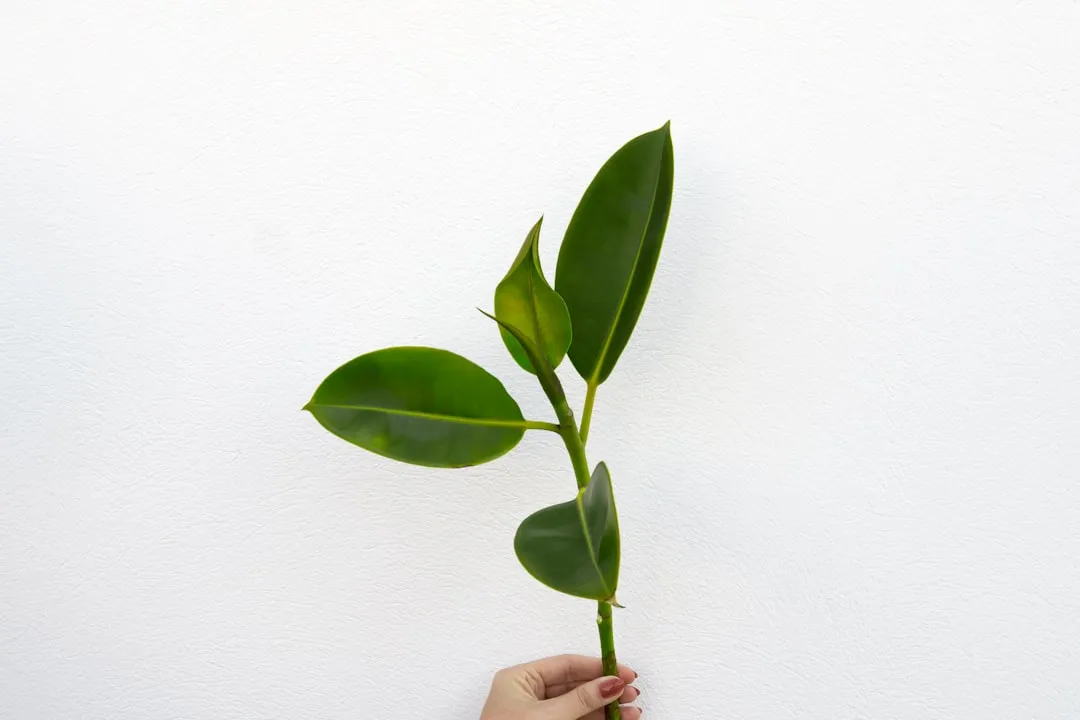
The leaves for leaf cuttings should be large and mature, and without any discoloration or dead areas. Avoid tiny or new leaves. A healthy, fully developed leaf carries more stored energy and offers a greater chance of successful rooting.
Select a healthy leaf, not limp or pale, for best propagation success. Any signs of yellowing, spots, or softness in the leaf tissue are red flags that the cutting may rot before roots ever form.
Avoid taking cuttings with flowers or flower buds to ensure the plant’s energy goes into root formation. Early mornings provide ideal hydration for plants before taking cuttings. A well-hydrated leaf taken early in the day simply starts the process in a stronger physiological state.
The Right Way to Take the Cutting
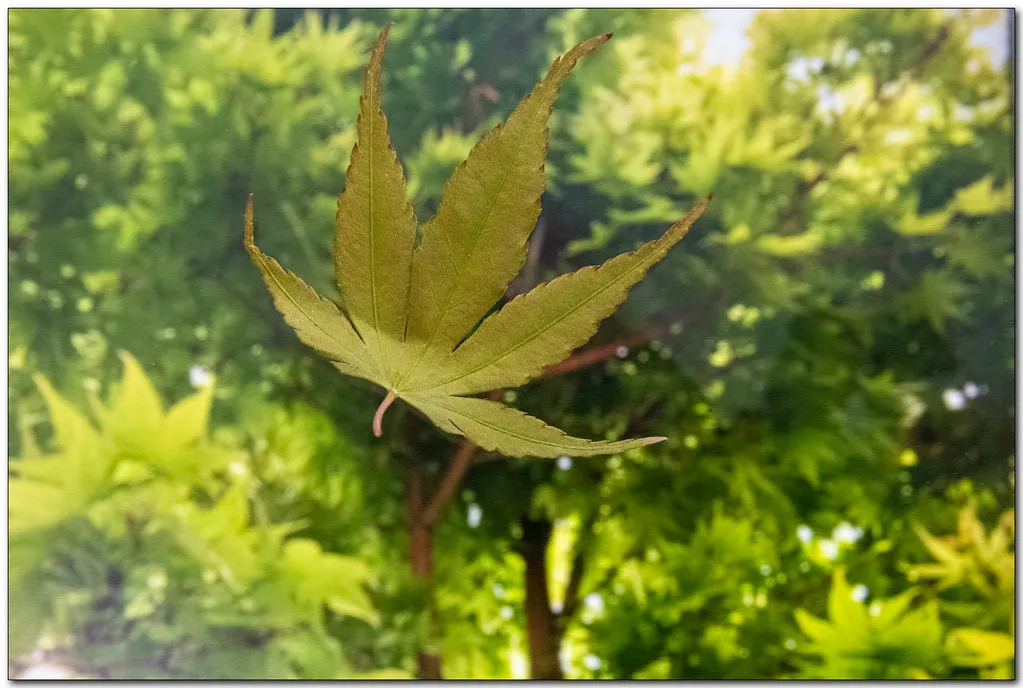
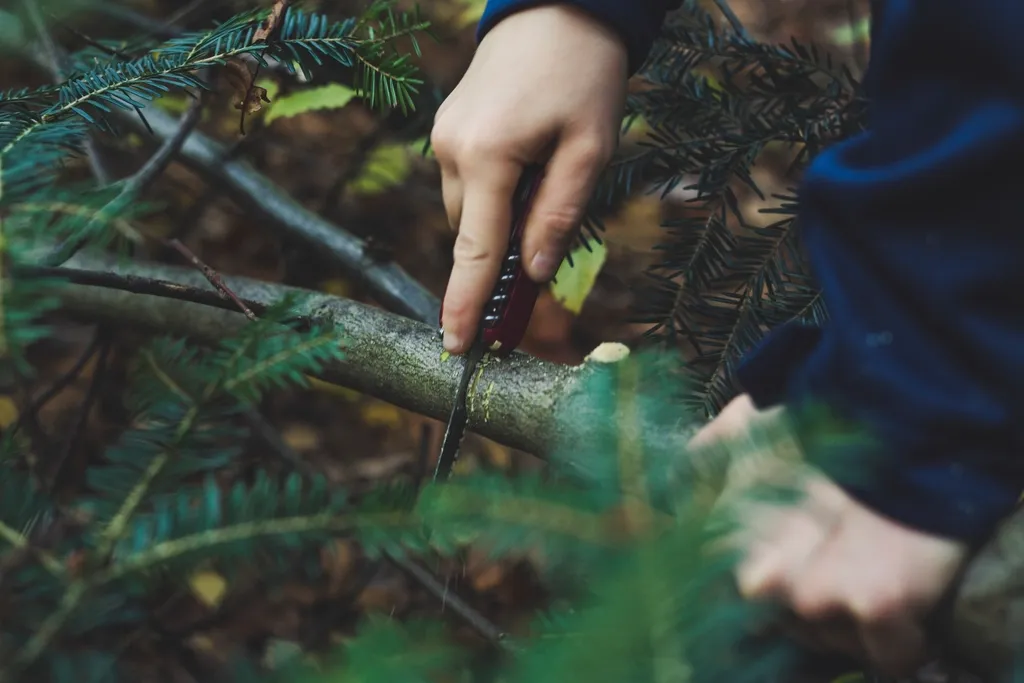
The most widely practiced method of taking a leaf cutting is to snip off a healthy leaf, complete with a short piece of stem. The end of the leaf cutting is then dipped in a rooting hormone and the stalk is stuck into a moist propagation media. Keeping that short section of petiole attached gives the cutting a natural entry point for root development.
Before propagating plant material, start with clean and sterile containers, equipment, potting media, and plant material. Containers and tools need to be thoroughly washed and sterilized with a ten percent bleach solution, and dried completely before being used. This step is easy to overlook, but contaminated tools are one of the most common reasons cuttings fail.
Give time for the cut end of the leaf to dry out before placing it into soil to avoid possible infection. Even a few hours of air-drying can seal the wound and reduce the risk of fungal issues taking hold.
Choosing and Preparing Your Propagation Medium

A suitable rooting medium is low in fertility, well-drained, and promotes aeration. A mix of peat or coco coir with perlite is recommended, while potting mixes with excessive nutrients may hinder root development. Too rich a mix sounds counterintuitive, but high nutrient levels can actually suppress root formation in cuttings that haven’t yet established themselves.
The rooting media needs to have a good balance of water and air holding capacity to support the formation of new adventitious roots. Perlite is a great rooting media for cuttings because it holds a good balance of water and air for rooting. Many growers find that perlite alone, or blended with coir, gives very consistent results across a wide variety of species.
The most effective propagation medium for cuttings is a combination of peat and perlite at a one to one ratio, as evidenced by significantly higher root and shoot growth quality compared to other treatments. This may be attributed to the ample moisture and nutrient content of peat and the excellent aeration properties of perlite. A 2025 greenhouse study on pine species similarly found that coconut coir consistently outperformed other media, achieving rooting rates of up to eighty percent when combined with specific commercial biostimulant products.
Understanding Rooting Hormones
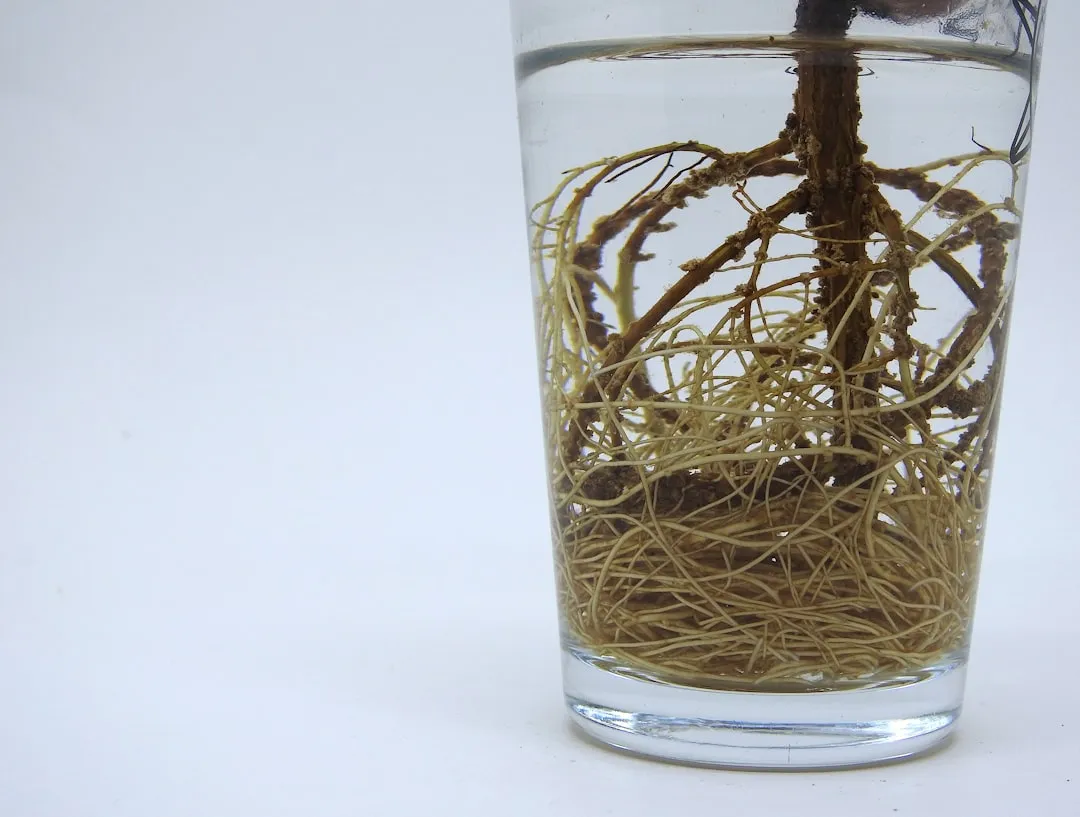
Rooting hormones are often used to promote root formation. These materials provide supplemental auxin, a naturally occurring plant hormone that is responsible for root development. Without an adequate auxin signal, many cuttings will simply stall before roots ever initiate.
When cloning or propagating plants from cuttings, the levels of natural auxins are not always sufficient to stimulate the rapid and strong root growth needed for successful plant development. This is where supplementing with NAA and IBA comes into play. During cloning or propagation, plants experience stress, and their ability to naturally produce enough auxins to promote rooting can be limited.
Research consistently shows IBA to be effective across the widest range of species, from soft herbs to semi-hardwood shrubs. A published study found that IBA gel delivered a more than double rooting success rate and significantly higher root quality than willow extract. For a beginner, a simple IBA-based powder or gel product from a garden center is the most practical and well-supported choice.
Maintaining Humidity and Temperature
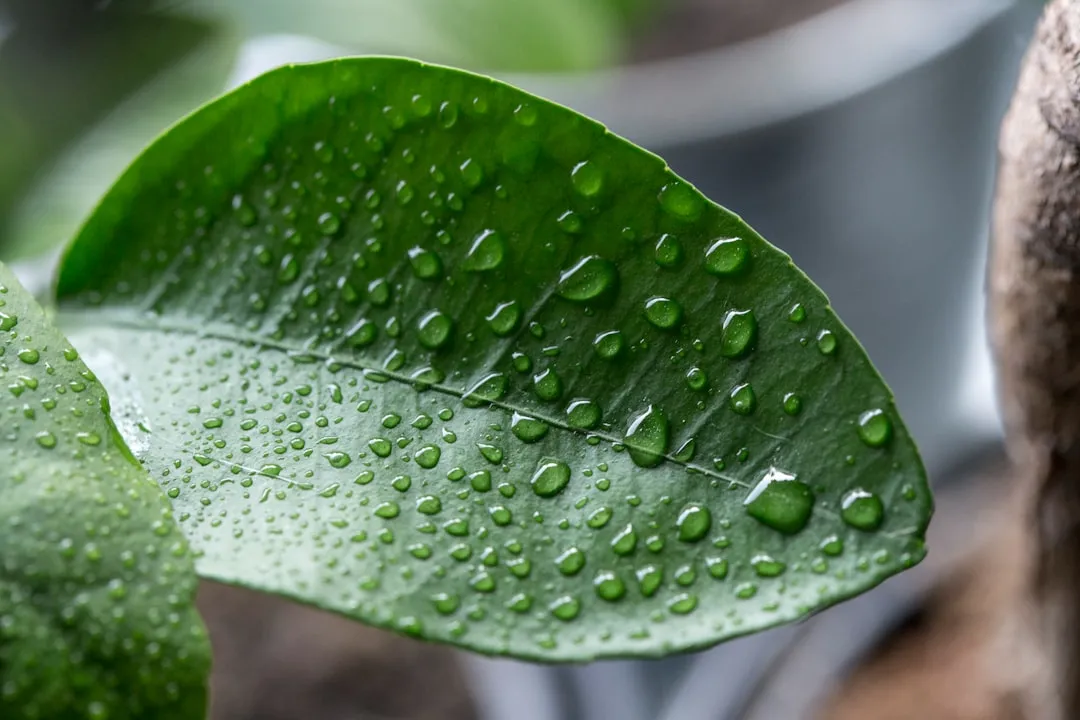
High humidity is essential for successful rooting. Maintain high humidity by enclosing the pot in a plastic bag or dome, using supports like chopsticks, straws, and wire loops to keep the plastic bag off the plant. Do not seal the bag tightly to allow for air exchange. That balance between moisture retention and airflow is easy to manage once you have the setup right.
Place the cuttings in a warm, humid environment with indirect bright light, ideally maintaining temperatures between 70 and 80 degrees Fahrenheit (21 to 27 degrees Celsius) and humidity around sixty to eighty percent. These are conditions that most spring kitchens or windowsills can approximate without any specialized equipment.
Seasonal timing is crucial. Winter propagation yielded poor results regardless of treatment, consistent with the influence of physiological dormancy. Spring removes that barrier entirely, with warming temperatures actively supporting the cellular processes that make rooting possible.
Caring for Cuttings While They Root
Creating the right environment is crucial for successful propagation. Place your propagation container in a bright, warm location, but avoid direct sunlight, which can cause overheating. Bright but indirect light is the consistent recommendation across horticultural guidance for nearly every species.
Rooting success is almost entirely dependent on controlling moisture, both in the potting media and in the atmosphere around your cuttings. Soil moisture and humidity are crucial. The cuttings will rot if their soil is too wet. If it is too dry, the new roots will desiccate and die. Keeping a close eye on moisture in those first few weeks is really the most important thing you can do.
Depending on the plant genotype, the maturation of the cutting, and the particular environment, induced senescence or abscission of leaves and insufficient root development can impair the success of propagation and the quality of generated young plants. If a cutting does drop its leaf or stall, it is often a sign of moisture imbalance rather than an unfixable failure.
Potting Up and What Comes Next
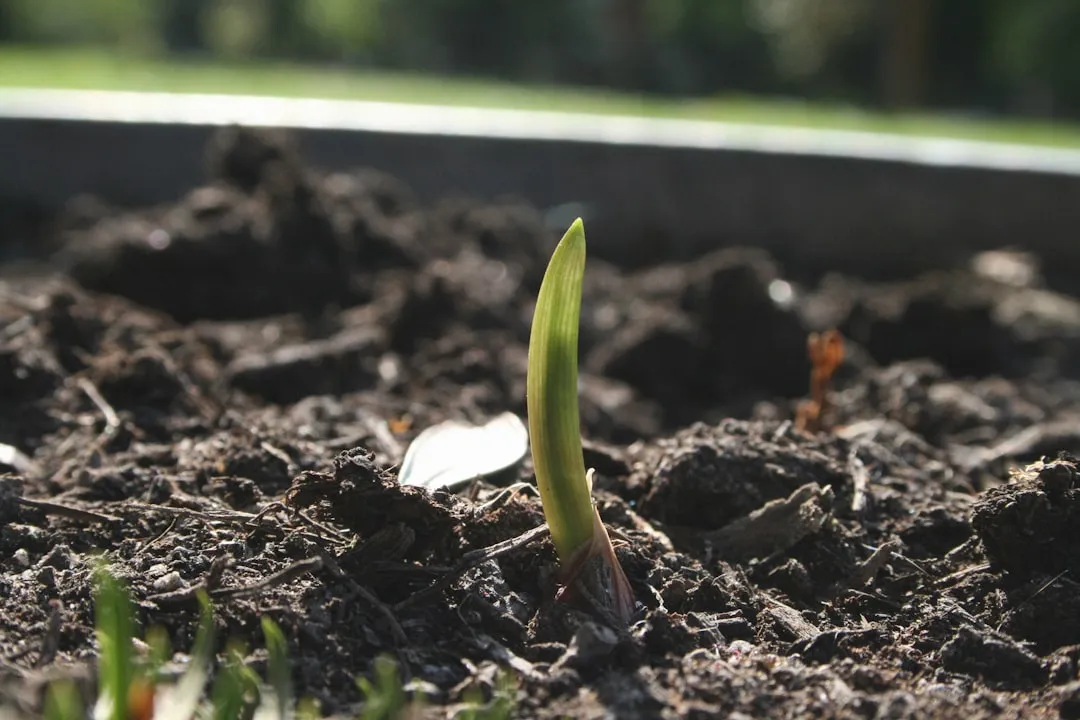
One long piece of stem can be divided into several pieces that can be planted up into pots of cuttings compost, watered, and covered in a plastic tent until new growth appears. When new growth appears, it indicates that the young cuttings have taken root and are mature enough to be safely potted. That moment of visible new growth is one of the most satisfying signals in all of gardening.
Once potted, keep the new plant well-watered and in bright, indirect light. The plant should be well established within a few weeks and can then be moved to its preferred location indoors. The original leaf used to start the propagule can be cut off or removed once it browns or when the new propagule is fully established.
When new leaves form, fertilize with a dilute solution of fertilizer. Starting with a diluted feed, rather than a full dose, prevents nutrient stress in roots that are still young and tender. Patience at this stage pays off far better than rushing toward a full feeding schedule.
A Practical Note Before You Begin
Leaf cutting propagation is one of those skills that improves quickly with practice. Your first attempt might only yield one or two successful plants from a batch, and that is completely normal. Recent findings on the molecular and physiological control of leaf vitality and adventitious root formation point toward improved physiologically-based control of cutting propagation, meaning even the science is still refining the details. The basics, though, are well established and accessible to anyone willing to try.
Keep your tools clean, choose healthy leaves, use a free-draining medium, protect humidity, and let spring do the heavy lifting. The rest is just attention and a little time. Most beginners who follow these fundamentals find that their success rate improves noticeably from one season to the next, simply because they start to notice what works and what the plants are telling them.
There is something quietly remarkable about watching a single leaf become a whole new plant. It does not require a greenhouse or expensive equipment. It requires mostly observation, and the willingness to start.
AI Disclaimer: This article was created with the assistance of AI tools and reviewed by a human editor.