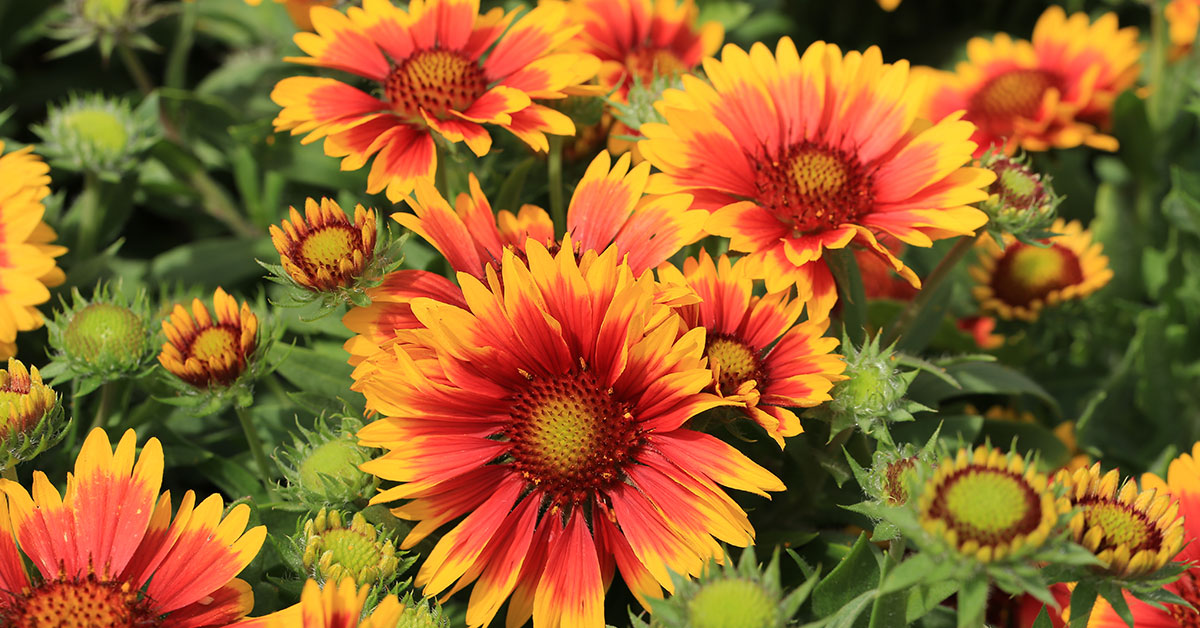

Gardeners have numerous reasons for growing blanket flowers (Gaillardia) in their gardens. One of the primary attractions is the plant’s attractive blooms. Blanket flowers produce vibrant and eye-catching flowers in various colors, including shades of red, yellow, orange, and bi-color combinations.
The daisy-like flowers with their intricate patterns and vibrant hues add a burst of color and visual interest to garden beds, borders, and containers. Whether used as a focal point or mixed with other plants, blanket flowers create a stunning display that draws the eye and enhances the overall beauty of the garden.
Another reason gardeners appreciate blanket flowers is their long blooming season. These hardy perennials typically bloom from late spring to early fall, ensuring a continuous display of beautiful blooms throughout the growing season.
This prolonged flowering period adds a dynamic and ever-changing element to the garden, providing ongoing visual appeal and interest. Gardeners can enjoy the colorful and cheerful blooms of blanket flowers for an extended period, bringing life and vibrancy to their outdoor spaces.
What is blanket flower (Gaillardia aristata)?
Blanket flower (Gaillardia aristata) is a popular perennial wildflower native to North America. It is known for its vibrant and striking blooms, making it a favorite choice for gardeners. The flowers of the blanket flower typically have a daisy-like appearance with red or orange petals surrounding a central disk in shades of yellow or dark brown.
The name “blanket flower” comes from its patterned petals, which resemble a colorful Native American blanket. It blooms from late spring to early fall and attracts pollinators like bees and butterflies. Blanket flower is known for its ability to tolerate hot and dry conditions, making it a resilient and low-maintenance choice for gardens, borders, or naturalized areas.
Where is blanket flower native?
The blanket flower is native to North America. It is found in various regions across the continent, including parts of the United States, Canada, and Mexico. In the United States, it is native to states such as Colorado, New Mexico, Arizona, Texas, and other parts of the western and central regions. The specific native range of blanket flower can vary within these regions, but it is generally recognized as a native wildflower of North America.
Perennial or annual?
Blanket flower (Gaillardia) is a perennial plant. Perennials are plants that have a life cycle longer than two years. Once established, blanket flowers can persist and bloom year after year, providing a reliable and enduring presence in the garden.
They may go dormant during the winter months in colder climates but will regrow from the root system in the following growing season. This perennial nature is one of the appealing characteristics of blanket flowers, as they offer long-term beauty and enjoyment in the garden.
How to grow blanket flower
To grow blanket flowers (Gaillardia aristata) in your garden, follow these guidelines:
Select a Suitable Location: Choose a sunny spot in your garden that receives at least 6-8 hours of direct sunlight per day. Blanket flowers thrive in full sun and require well-draining soil.
Prepare the Soil: Ensure the soil is well-draining by amending it with organic matter such as compost or well-rotted manure. This helps improve soil structure and drainage.
Planting: Blanket flowers can be grown from seeds or nursery-grown transplants. If starting from seeds, sow them directly into the soil in spring after the danger of frost has passed. Alternatively, you can start seeds indoors 6-8 weeks before the last expected frost and transplant them outdoors when the seedlings are sturdy enough.
Spacing: Space the plants about 12-18 inches (30-45 cm) apart to allow for proper airflow and growth.
Watering: Water the newly planted blanket flowers regularly to keep the soil evenly moist until they are established. Once established, they are quite drought-tolerant and require less frequent watering. Allow the soil to dry slightly between waterings to prevent overwatering.
Mulching: Apply a layer of organic mulch around the plants to help retain soil moisture, suppress weeds, and regulate soil temperature. Avoid placing mulch directly against the plant’s stem to prevent rot.
Maintenance: Deadhead spent flowers regularly to encourage continuous blooming. This also prevents self-seeding and keeps the plant looking tidy. Cut back the plants after the first flush of flowers to promote bushier growth and potentially trigger a second bloom.
Pest and Disease Control: Blanket flowers are generally resistant to pests and diseases. However, keep an eye out for common garden pests like aphids or spider mites and take appropriate measures if necessary, such as using organic pest control methods or handpicking pests.
With proper care and suitable growing conditions, blanket flowers can thrive in your garden, providing vibrant and long-lasting blooms throughout the growing season.
Propagation
Blanket flowers (Gaillardia) can be propagated through various methods, including division, seed sowing, or taking stem cuttings. Here’s a brief explanation of each propagation method:
- Division:
- Choose an established blanket flower plant in early spring or fall when the plant is dormant or showing new growth.
- Dig up the clump carefully, taking care not to damage the roots.
- Gently separate the clump into smaller sections, ensuring each section has healthy roots and foliage.
- Replant the divisions in well-prepared soil, spacing them apart to allow for proper growth.
- Seed Sowing:
- Collect the ripe seeds from the dried flower heads of mature blanket flowers. Alternatively, you can purchase blanket flower seeds from nurseries or seed suppliers.
- Sow the seeds directly into the garden soil in spring after the last frost date or start them indoors 6-8 weeks before the last frost.
- Prepare a seedbed with well-draining soil by loosening it and removing any debris or weeds.
- Scatter the seeds over the soil surface, lightly pressing them into the soil. Keep them moist but not waterlogged.
- Once the seedlings have grown a few inches tall and have several sets of leaves, thin them out, leaving the healthiest plants spaced appropriately.
- Stem Cuttings:
- Take stem cuttings from a healthy blanket flower plant during the active growing season, typically in late spring or early summer.
- Select a non-flowering stem that is about 4-6 inches long and free from disease or damage.
- Remove the lower leaves from the cutting, leaving a few sets of leaves at the top.
- Dip the cut end of the stem in a rooting hormone (optional but can enhance success rates).
- Plant the cutting in a container filled with a well-draining soil mix or a propagation tray with a rooting medium.
- Place the container or tray in a warm, bright location with indirect sunlight.
- Keep the soil or rooting medium consistently moist but not saturated, and mist the cutting periodically to maintain humidity.
- After several weeks, the cutting should develop roots. Once the roots are established, transplant the cutting into a larger pot or directly into the garden.
Remember to provide proper care and maintenance to the propagated blanket flower plants to ensure their successful growth and development.