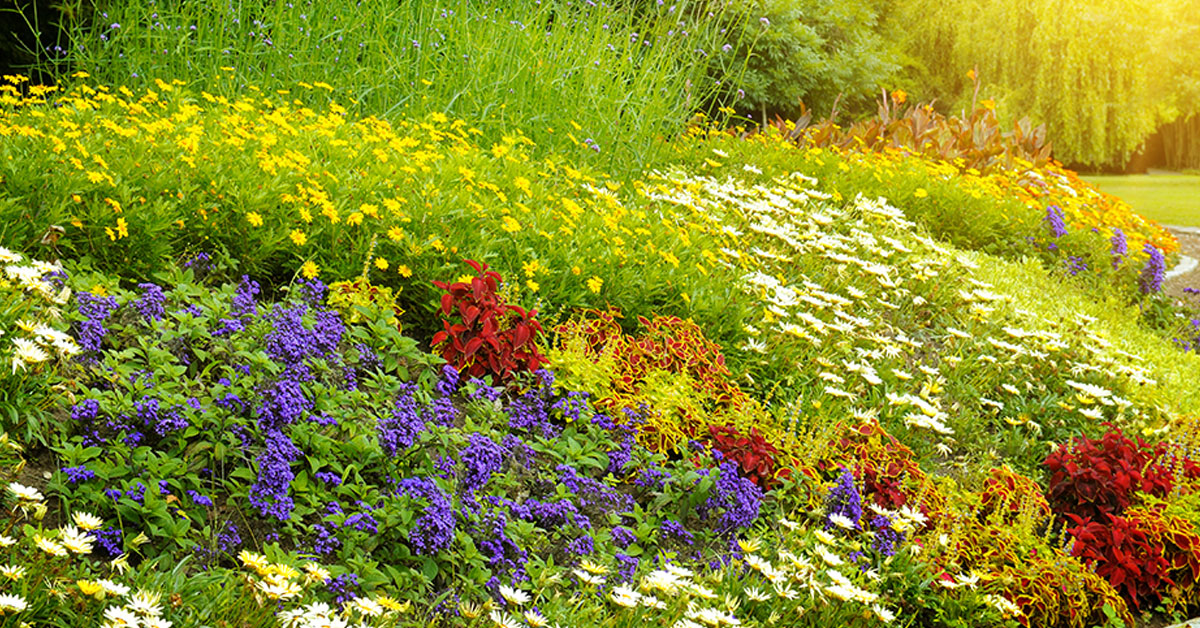

In July, having a garden in full bloom is truly delightful. The vibrant colors and fragrant scents create a lively atmosphere that is hard to resist. The air is filled with the sweet aroma of blooming flowers like roses and jasmine, attracting buzzing bees and fluttering butterflies. Planting flowers that bloom in July is a great way to make sure that your midsummer is full of colorful flowers and teeming with life.
I can’t tell you how much joy it brings me to see my garden brimming with blossoms in the height of summer. From annuals to perennials, the array of flowers that peak in July offers something for every garden style and preference. Let’s dive into some of my favorite flowers that bloom in July and keep your garden looking spectacular all summer long.
Zinnia
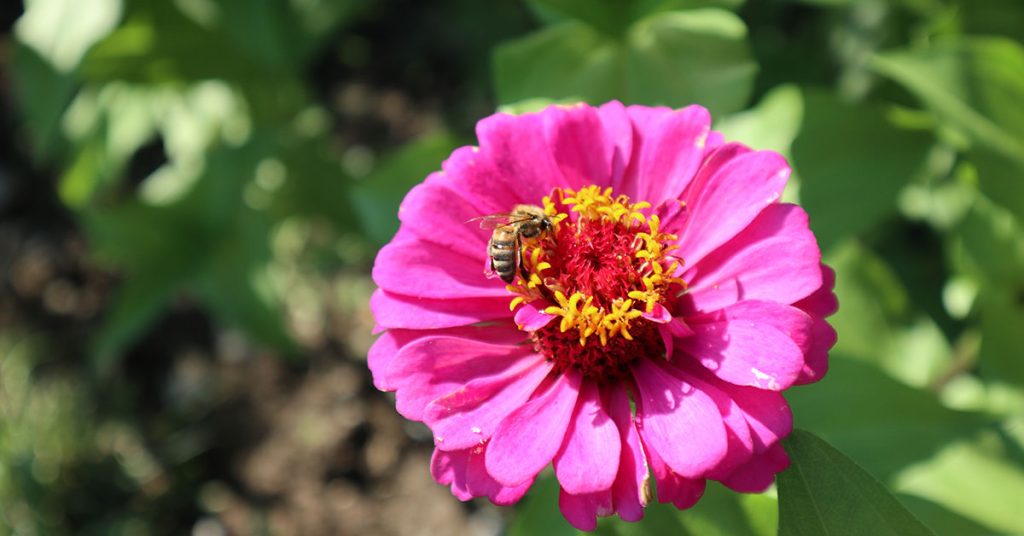
Zinnias are vibrant and cheerful annual flowers that come in a wide array of colors, such as red, orange, yellow, pink, and purple. They have daisy-like blooms and are known for their long-lasting flowers, making them popular in summer gardens and floral arrangements. Zinnias thrive in full sun and well-drained soil, blooming profusely from mid-summer to frost.
I love planting zinnias because they are easy to grow and bring a burst of color to my garden. Their bright blooms attract butterflies, adding to the lively atmosphere. Plus, zinnias make excellent cut flowers, allowing you to bring their cheerful beauty indoors.
Petunia
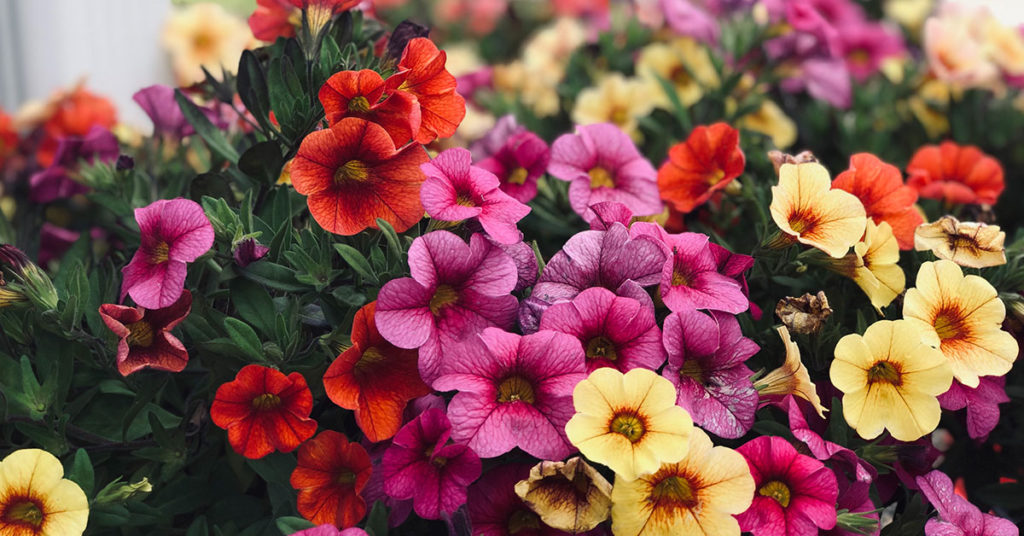
Petunias are popular annual flowers with trumpet-shaped blooms that come in a variety of colors, including pink, purple, red, and white. They are versatile and can be grown in hanging baskets, containers, or as bedding plants, adding splashes of color to any garden. Petunias bloom continuously throughout the summer with proper care.
I adore petunias for their vibrant colors and versatility. They thrive in sunny spots and are perfect for filling in gaps in the garden. Deadheading spent blooms encourages continuous flowering, keeping your garden looking fresh and colorful all season long.
Cosmos
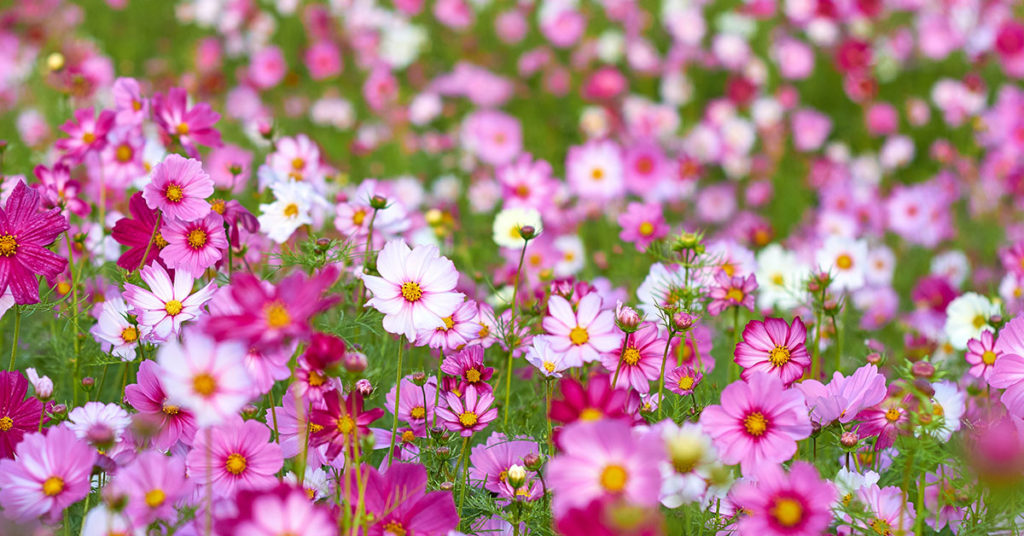
Cosmos are delicate and airy annual flowers that produce daisy-like blooms in shades of pink, purple, and white. They have fern-like foliage and attract butterflies and other pollinators to the garden. Cosmos are easy to grow and add a touch of grace to any landscape.
One of my favorite things about cosmos is their ability to thrive in poor soil conditions. They are drought-tolerant and can handle the summer heat, making them a low-maintenance choice for busy gardeners. Their charming blooms and delicate foliage create a romantic, wildflower look.
Sunflower
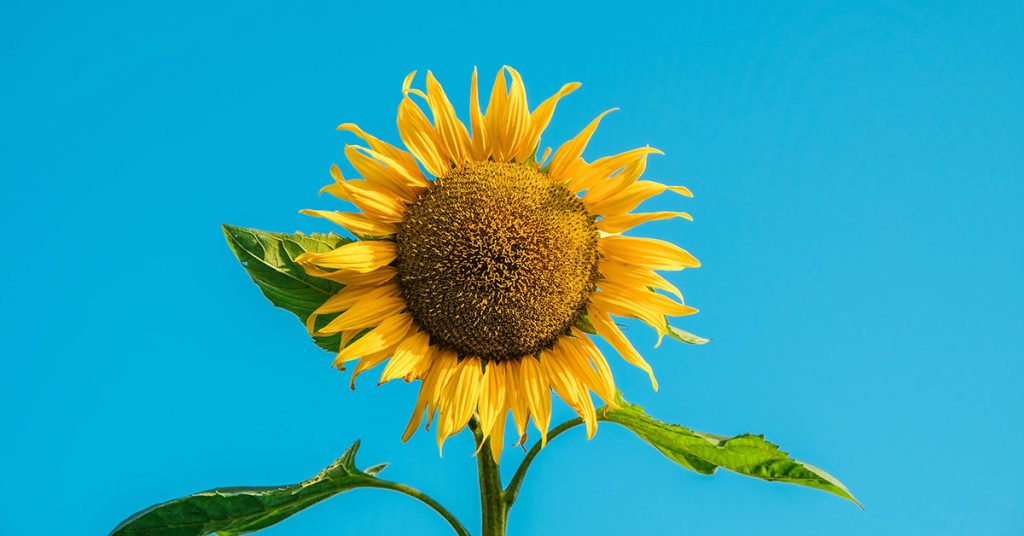
Sunflowers are iconic annual flowers known for their large, yellow flower heads and tall stems. They bring a touch of sunshine to gardens and attract birds and bees. Sunflowers are also popular for their edible seeds and make a striking focal point in any landscape.
I love watching sunflowers turn their heads to follow the sun throughout the day. Their towering presence adds drama and vertical interest to the garden. Planting sunflowers is a fun activity for kids, and they’re sure to enjoy watching these giant flowers grow.
Marigold
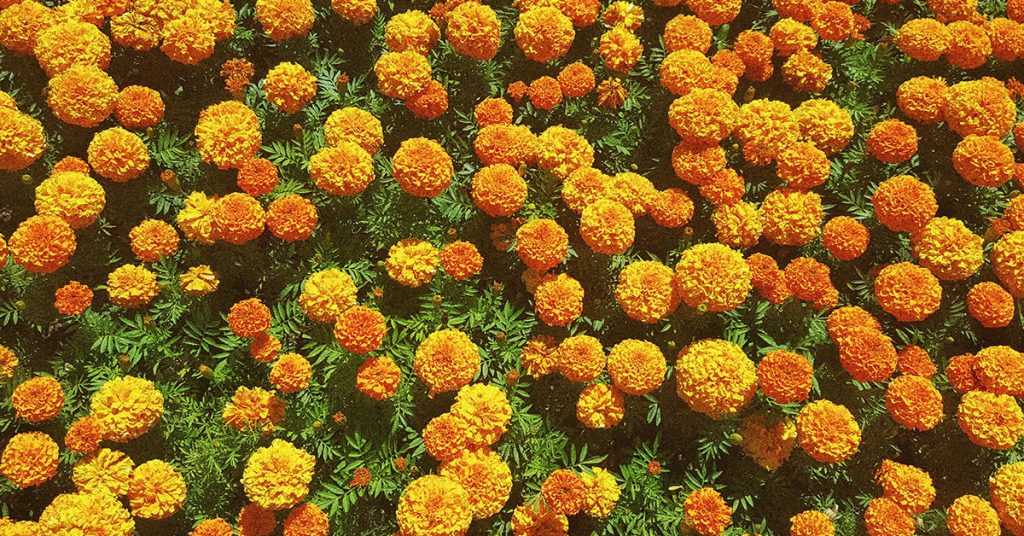
Marigolds are easy-to-grow annual flowers that produce cheerful, daisy-like blooms in shades of orange, yellow, and red. They have a distinct fragrance and are known for their pest-repellent properties. Marigolds are commonly used as border plants, in container gardens, or as companion plants in vegetable gardens.
I find marigolds incredibly reliable and versatile. They thrive in full sun and can tolerate poor soil conditions, making them a great choice for novice gardeners. Their vibrant colors and long blooming period make them a staple in my garden every summer.
Black-eyed Susan
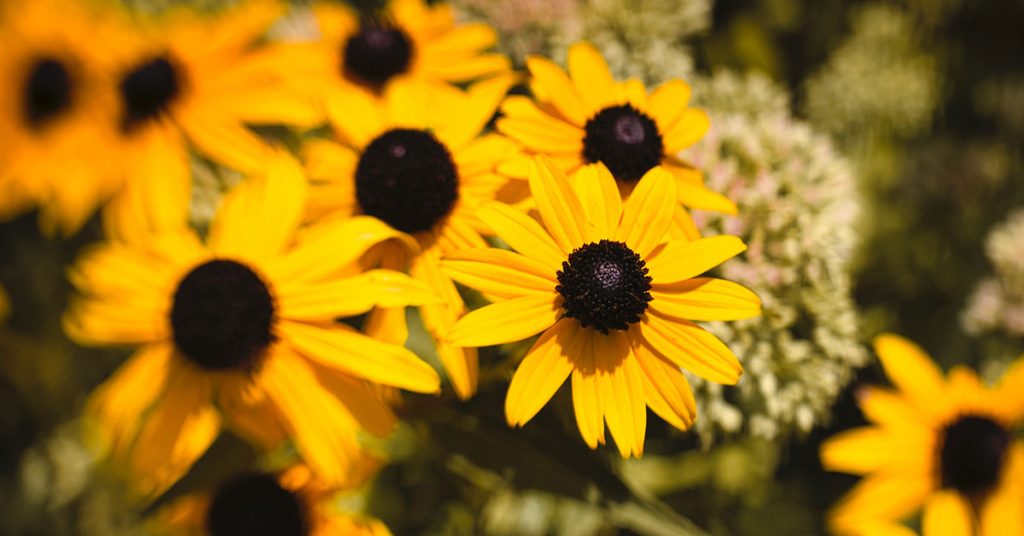
Black-eyed Susans are perennial flowers with daisy-like blooms in bright yellow or orange with a dark center. They are easy to grow, attract butterflies and bees, and are commonly found in prairie or wildflower gardens. Black-eyed Susans bloom from mid-summer to early fall, adding lasting color to the garden.
I love the cheerful appearance of Black-eyed Susans. They’re incredibly hardy and can thrive in various soil types, making them a low-maintenance choice for any garden. Their long blooming period ensures a splash of color in my garden throughout the summer and into the fall.
Lavender
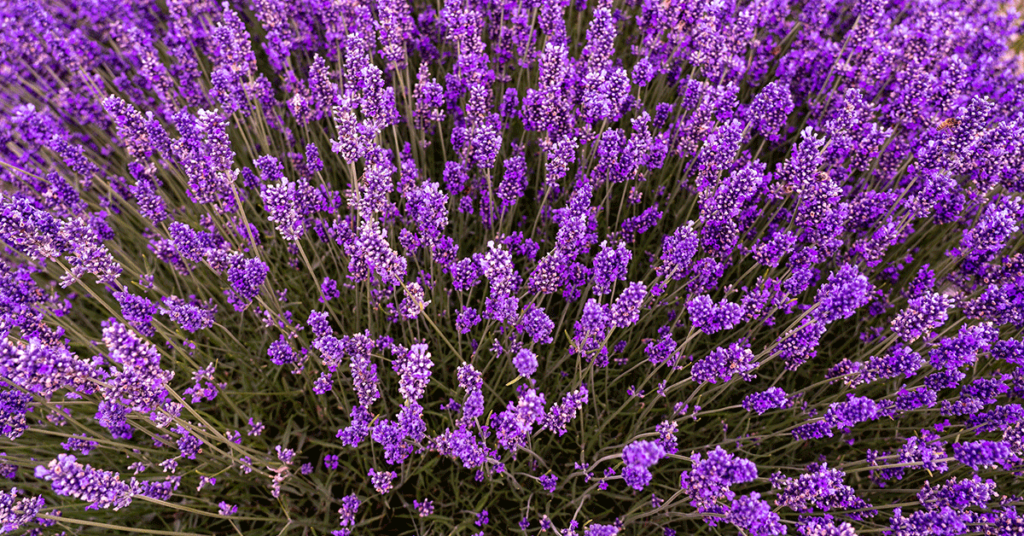
Lavender is a perennial herb with fragrant flowers and gray-green foliage. It produces spikes of purple, blue, or white flowers and is well-known for its soothing aroma and therapeutic properties. Lavender blooms in mid-summer and attracts bees and butterflies.
I adore lavender for its beautiful scent and versatility. It’s perfect for creating a relaxing garden space, and the dried flowers can be used in sachets and potpourri. Lavender thrives in full sun and well-drained soil, making it an excellent choice for sunny borders and rock gardens.
Geranium
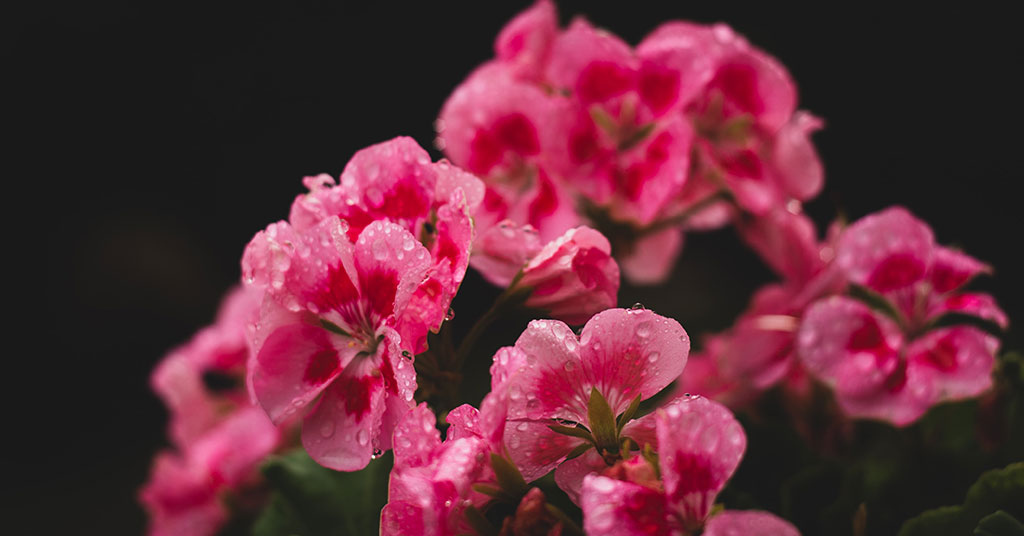
Geraniums are perennial flowers that bloom in a variety of colors, such as red, pink, white, and purple. They have attractive foliage and produce clusters of flowers throughout the summer. Geraniums are versatile and can be used in borders, containers, or hanging baskets.
I find geraniums to be incredibly reliable and long-blooming. They’re perfect for adding consistent color to my garden from early summer to frost. Geraniums are also relatively low-maintenance, requiring only regular deadheading and occasional watering to keep them looking their best.
Daylily
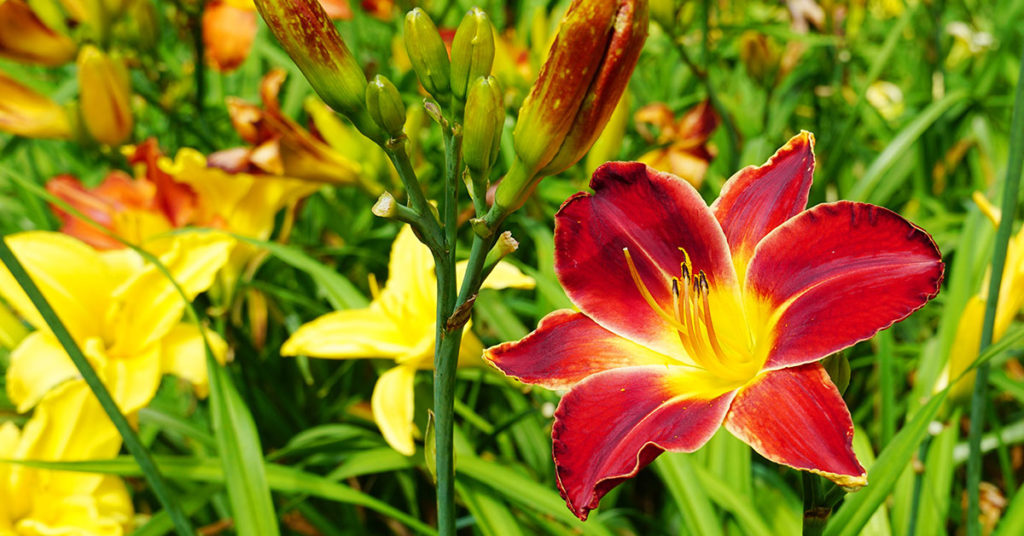
Daylilies are perennial flowers that produce vibrant blooms in various colors and patterns. They have multiple blooms on each stem and are known for their durability and long blooming period. Daylilies are easy to grow and make excellent border plants or ground cover.
I love the variety of colors and shapes available with daylilies. They’re incredibly resilient and can thrive in a wide range of conditions, making them a great choice for any garden. Daylilies bloom profusely in mid-summer, adding a burst of color to my garden when many other plants are fading.
Delphinium
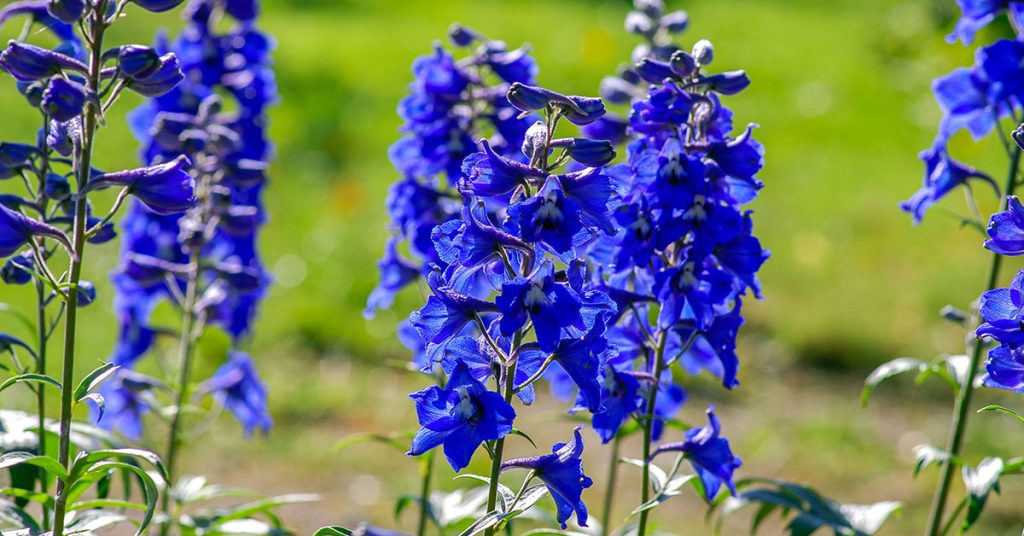
Delphiniums are tall perennial flowers with spiky flower spikes that bloom in shades of blue, purple, pink, and white. They add vertical interest to gardens and are commonly found in cottage-style or formal gardens. Delphiniums bloom in mid to late summer, creating a stunning display.
I adore the majestic appearance of delphiniums in my garden. Their tall spikes create a dramatic backdrop for shorter plants. While they require some care, including staking and protection from wind, the effort is well worth it for the beautiful blooms they produce.
Hollyhock
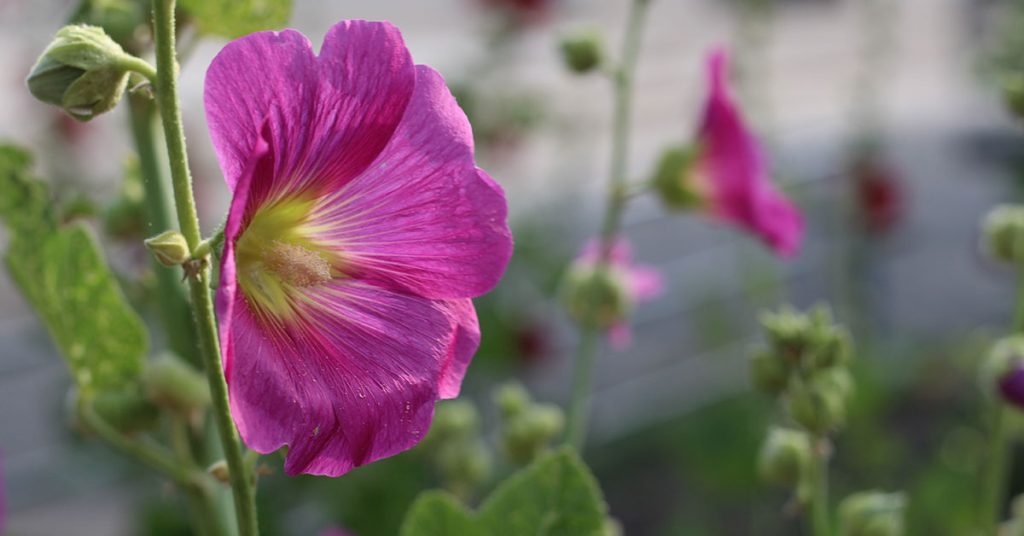
Hollyhocks are tall perennial flowers that bloom on spires in shades of pink, red, yellow, and white. They add a cottage garden charm and are often used in the back of borders or against walls. Hollyhocks bloom in mid-summer, providing a vertical splash of color.
I love the old-fashioned charm of hollyhocks. They’re perfect for creating a classic cottage garden look. Hollyhocks are biennials or short-lived perennials, but they self-seed readily, ensuring their presence in the garden year after year.
Echinacea
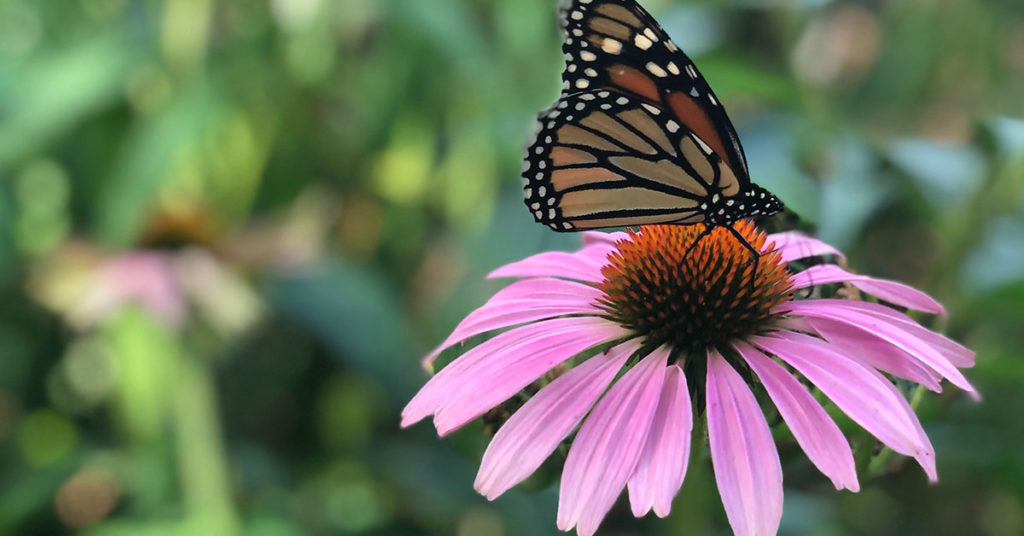
Echinacea, also known as coneflower, is a perennial flower with distinctive daisy-like blooms in shades of pink, purple, and white. They have a cone-shaped center and are attractive to butterflies and bees. Echinacea blooms from mid-summer to fall, adding long-lasting color to the garden.
I appreciate echinacea for its hardiness and medicinal properties. It’s incredibly drought-tolerant and can thrive in poor soil conditions. Echinacea is also known for its immune-boosting properties, making it a valuable addition to both the garden and herbal medicine cabinet.
Bee Balm
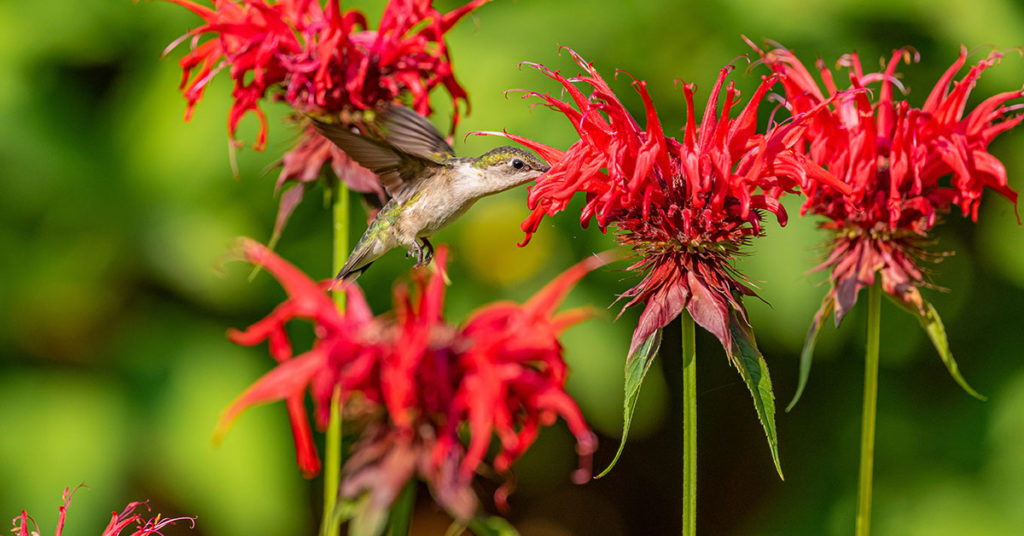
Bee Balm is a perennial flower that produces clusters of tubular flowers in shades of red, pink, purple, and white. It attracts hummingbirds, bees, and butterflies to the garden and is often used in wildflower or herb gardens. Bee Balm blooms from mid-summer to early fall.
I love the vibrant colors and delightful fragrance of bee balm. It’s perfect for adding a splash of color to my garden and attracting pollinators. Bee Balm can spread vigorously, so it’s best to plant it in a controlled area or use root barriers to keep it in check.
Liatris

Liatris, also known as blazing star or gayfeather, is a perennial flower with tall spikes of purple or white flowers. It blooms from mid-summer to early fall and attracts butterflies and bees. Liatris adds vertical interest and a unique texture to garden beds and borders.
I adore liatris for its striking appearance and low-maintenance nature. It thrives in full sun and well-drained soil, making it an excellent choice for a variety of garden settings. The tall, feathery blooms of liatris add a touch of elegance and attract a multitude of pollinators.
Coreopsis
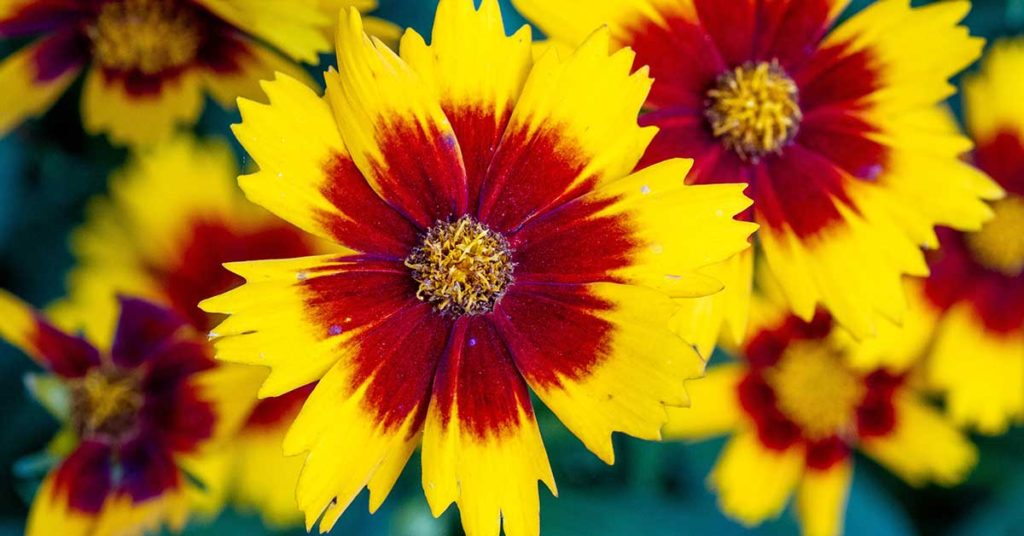
Coreopsis, also known as tickseed, is a cheerful perennial with bright yellow, orange, or red flowers. It blooms from early summer to fall and is loved by butterflies and bees. Coreopsis is easy to grow and thrives in full sun and well-drained soil.
I enjoy the bright, sunny presence of coreopsis in my garden. It’s incredibly resilient and can handle poor soil conditions, making it a versatile addition to any garden. Deadheading spent blooms encourages continuous flowering, ensuring a long-lasting display of color.
Shasta Daisy
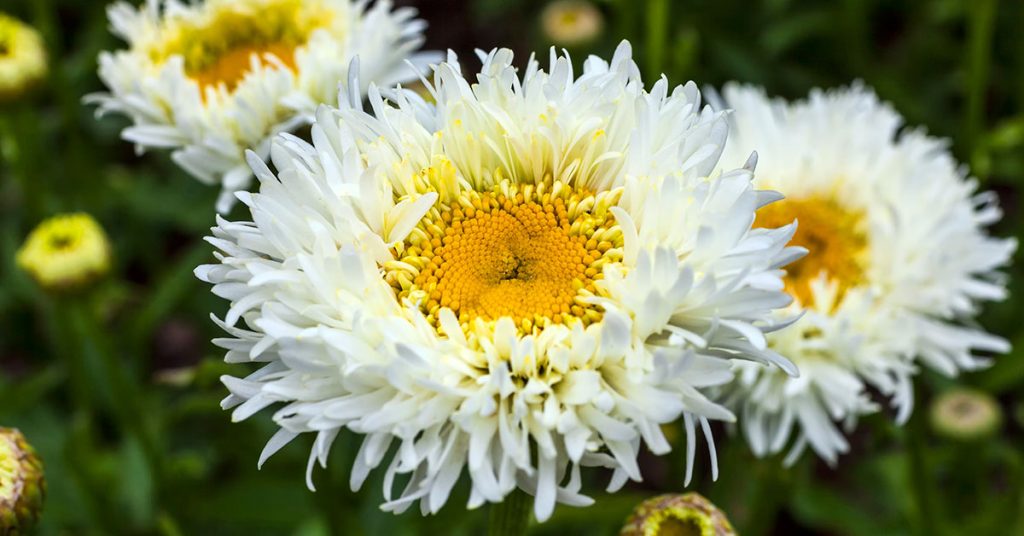
Shasta Daisies are classic perennials with large, white, daisy-like blooms and yellow centers. They bloom from early to mid-summer and attract butterflies and bees. Shasta Daisies are easy to grow and add a timeless elegance to any garden.
I love the simplicity and charm of Shasta Daisies. They’re perfect for creating a classic, cottage garden look. Shasta Daisies thrive in full sun and well-drained soil, and their sturdy stems make them excellent for cutting and arranging in vases.
Gaillardia
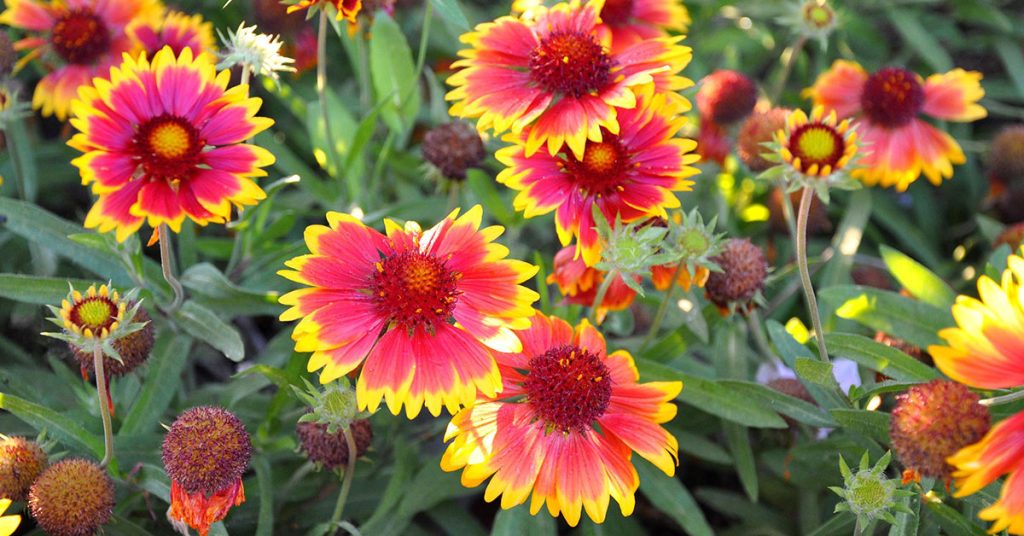
Gaillardia, also known as blanket flower, is a hardy perennial with large, daisy-like blooms in shades of red, orange, and yellow. It blooms continuously from early summer to fall, attracting butterflies and bees. Gaillardia thrives in full sun and well-drained soil.
I appreciate gaillardia for its vibrant colors and long blooming period. It’s incredibly drought-tolerant and can thrive in poor soil conditions, making it a low-maintenance choice for any garden. The bright, cheerful blooms of gaillardia add a burst of color to my garden all summer long.
Salvia
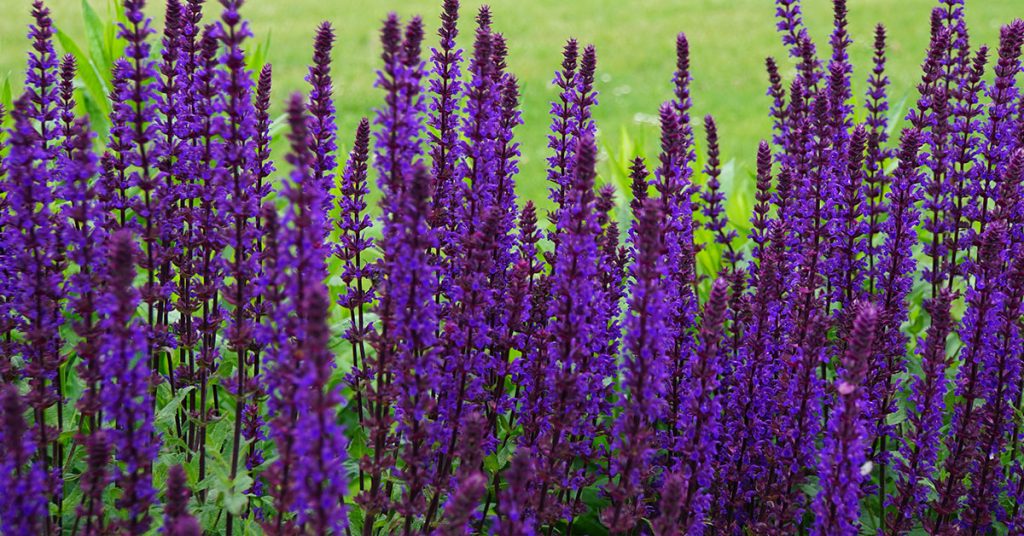
Salvia, also known as sage, is a perennial flower that produces spikes of tubular flowers in shades of blue, purple, pink, red, and white. It blooms from mid-summer to fall and is loved by pollinators. Salvia is easy to grow and adds a vertical element to garden beds and borders.
I love the bold, upright blooms of salvia. They add structure and color to my garden, and their fragrant foliage is an added bonus. Salvia thrives in full sun and well-drained soil, making it a versatile choice for a variety of garden settings.
Yarrow
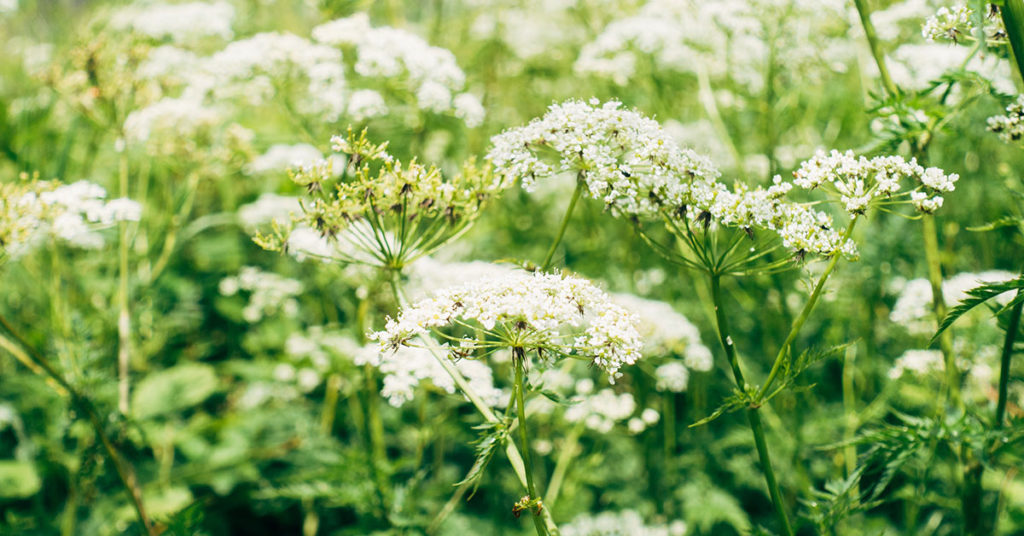
Yarrow is a hardy perennial with flat-topped clusters of flowers in shades of yellow, white, pink, and red. It blooms from early to late summer and attracts butterflies and bees. Yarrow is drought-tolerant and thrives in full sun and well-drained soil.
I enjoy yarrow for its resilience and versatility. It’s perfect for adding a splash of color to my garden and attracting pollinators. Yarrow is also known for its medicinal properties, making it a valuable addition to both the garden and herbal medicine cabinet.
Phlox

Phlox is a perennial flower that produces clusters of fragrant, star-shaped blooms in shades of pink, purple, red, and white. It blooms from mid-summer to early fall and attracts butterflies and bees. Phlox thrives in full sun to partial shade and well-drained soil.
I adore the sweet fragrance and vibrant colors of phlox. It’s perfect for creating a lush, romantic garden look. Phlox is also relatively low-maintenance, requiring only regular watering and occasional deadheading to keep it looking its best.
Campanula
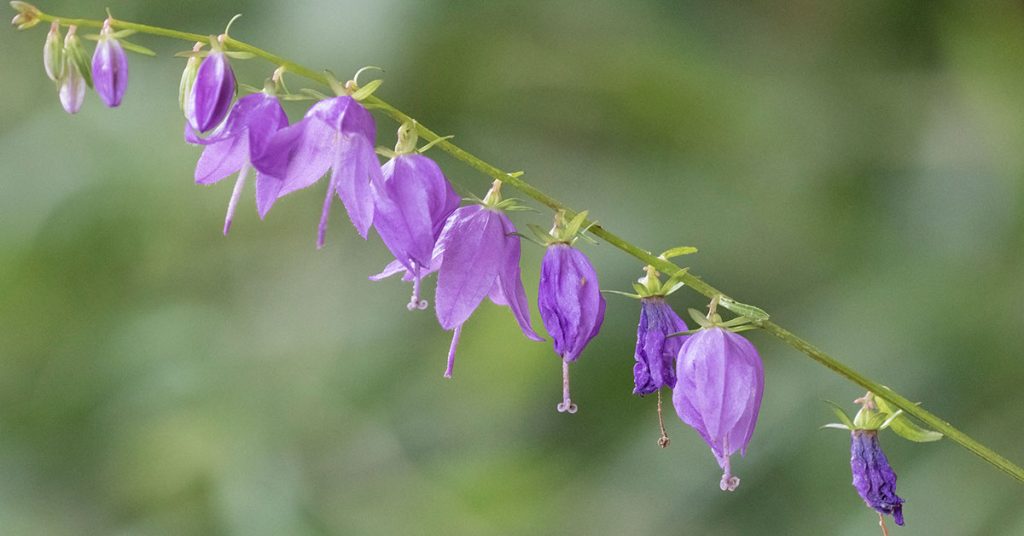
Campanula, also known as bellflower, is a perennial flower with bell-shaped blooms in various colors, including blue, purple, pink, and white. It blooms from early to mid-summer and is loved by pollinators. Campanula is versatile and can be used in borders, rock gardens, or container plantings.
I find campanula to be incredibly charming and versatile. Its delicate, bell-shaped blooms add a touch of elegance to my garden. Campanula thrives in full sun to partial shade and well-drained soil, making it a great choice for a variety of garden settings.
Clematis

Clematis is a climbing perennial with large, showy flowers in shades of purple, blue, pink, red, and white. It blooms from early summer to fall and attracts pollinators. Clematis thrives in full sun to partial shade and well-drained soil, making it a stunning addition to any garden.
I adore the dramatic beauty of clematis. Its climbing habit and large blooms make it perfect for trellises, fences, and arbors. Clematis requires some care, including regular watering and support, but the effort is well worth it for the stunning display of flowers.