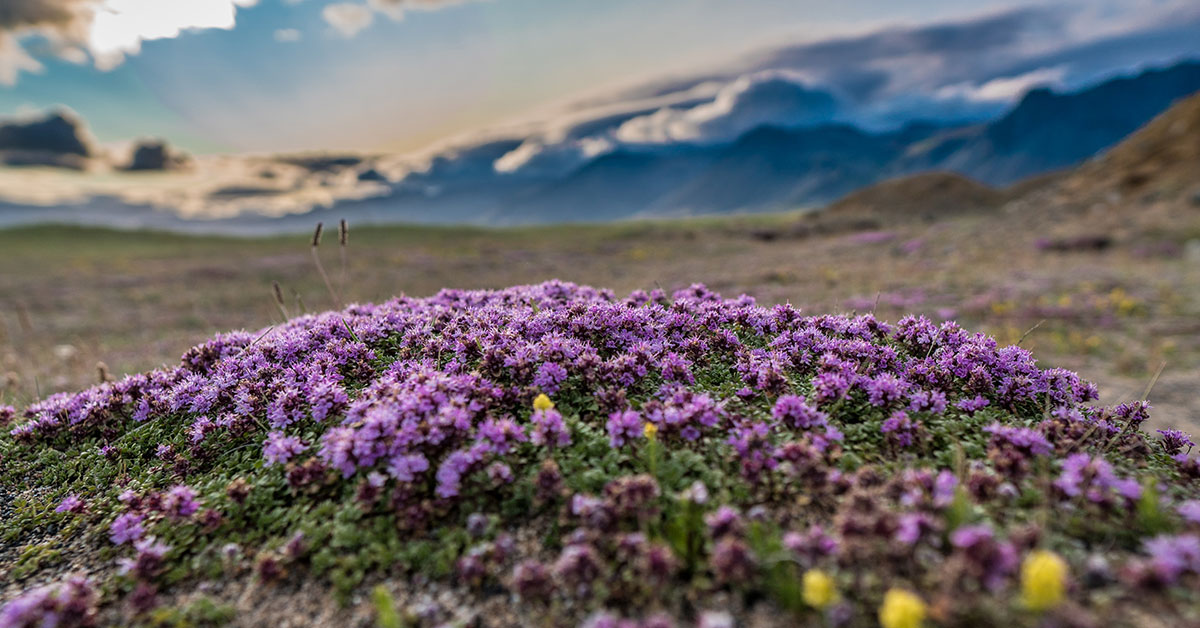

Arctic thyme (Thymus praecox ssp. arcticus) is a hardy and fragrant herb that is native to the arctic regions of North America, Europe, and Asia. It is a member of the mint family and has small, pale pink or purple flowers that bloom in the summer. It is a popular herb for rock gardens, alpine gardens, and herb gardens. In this article, we will discuss how to grow and care for Arctic thyme.
Planting Arctic Thyme
Arctic thyme (Thymus praecox ssp. arcticus) is a hardy herb that is native to the arctic regions of North America, Europe, and Asia. It is a member of the mint family and is well known for its small, pale pink or purple flowers that bloom in the summer. This herb is an excellent addition to any garden, including rock gardens, alpine gardens, and herb gardens. Here is a step-by-step guide on how to plant Arctic thyme.
Find a location in your garden that gets full sunlight or partial shade. Arctic thyme prefers well-draining soil that is sandy or gravelly. Ensure the area is free of debris and weeds. This herb is hardy and does well in poor soil conditions. However, you can prepare the soil by adding gravel or sand to improve drainage. Incorporating organic matter like compost or well-rotted manure will improve soil fertility.
Arctic thyme can be planted from seeds or cuttings. If planting seeds, scatter them thinly over the soil surface and press them down gently with your fingers. Alternatively, you can start the seeds indoors and transplant them outside after they have established themselves. If planting cuttings, insert them into the soil at a depth of approximately 2 to 3 inches. Space the seeds or cuttings 6 to 8 inches apart.
Water the plant regularly to keep the soil moist. Do not overwater, as this can lead to root rot. It can tolerate drought, but it grows best when the soil is consistently moist. Arctic thyme is a low maintenance plant and does not require much fertilization. You can fertilize the plant with a balanced fertilizer once a month during the growing season.
Arctic thyme is a relatively low maintenance plant. However, it does require some care and maintenance. Prune the plant once a year to promote bushier growth and prevent the plant from becoming too leggy. Cut back the plant by one-third to one-half in the spring. Keep an eye out for pests like aphids and spider mites. If you notice any infestations, treat them with insecticidal soap or neem oil.
Planting Arctic thyme is easy and requires minimal care. By following these steps, you can ensure that your plant thrives and provides you with years of beauty and benefits.
Caring for Arctic Thyme
Arctic thyme is certainly a hardy herb that requires very little care, but it’s still good to know what care it does need. Here is a guide on how to care for your this herb.
Watering: Water it regularly to keep the soil moist. Avoid overwatering, as this can lead to root rot. It is best to water in the morning or evening when the sun is not too hot. Arctic thyme can tolerate drought, but it grows best when the soil is consistently moist.
Pruning: Prune Arctic thyme once a year to promote bushier growth and prevent the plant from becoming too leggy. Cut back the plant by one-third to one-half in the spring. This will encourage new growth and prevent the plant from becoming too woody.
Pests and Diseases: This herb is relatively pest and disease-resistant. However, you should keep an eye out for aphids and spider mites. If you notice any infestations, treat them with insecticidal soap or neem oil. Remove any damaged or dead leaves as soon as you notice them to prevent the spread of disease.
Fertilization: Arctic thyme does not require much fertilizer. You can fertilize the plant with a balanced fertilizer once a month during the growing season. Alternatively, you can add compost or well-rotted manure to the soil around the base of the plant to provide it with nutrients.
Harvesting: Harvest the leaves regularly for culinary purposes. Pinch off the leaves at the stem tips, leaving enough leaves on the plant for it to continue to grow. Regular harvesting will also help to prevent the plant from becoming too leggy.
Division: Arctic thyme can become crowded over time. To keep the plant healthy, you should divide it every 3 to 4 years. Dig up the entire plant and gently separate the roots. Replant the divisions in moist soil.
Caring for this hardy herb is easy and requires minimal effort. By following these tips, you can ensure that your plant thrives and provides you with years of beauty and benefits. With proper care, your plant will continue to provide you with fragrant, flavorful leaves for use in a variety of culinary dishes.
Uses
Arctic thyme has several culinary and medicinal uses. Here are some of the uses of Arctic thyme:
- Culinary uses: This herb can be used fresh or dried in a variety of culinary dishes, including salads, soups, stews, and sauces. Its strong, savory flavor pairs well with meat, fish, and vegetables. The leaves of Arctic thyme can be used to flavor oils and vinegars, and can also be used as a garnish.
- Medicinal uses: It is known to have antibacterial and antifungal properties. It can be used to alleviate symptoms of respiratory issues like coughs and bronchitis. Arctic thyme is also known to have a calming effect on the body, making it useful in promoting relaxation and reducing anxiety.
- Aromatherapy: The essential oil of Arctic thyme is used in aromatherapy. It is believed to have a calming effect on the mind and body, and is often used in massage oils and diffusers.
- Tea: This herb’s leaves can be brewed into a tea that is said to have a calming effect and to aid in digestion. The tea can also be used as a natural remedy for cold and flu symptoms.
Overall, Arctic thyme is a versatile herb with many uses. It is a great addition to any herb garden and can be used in a variety of culinary dishes and medicinal remedies.