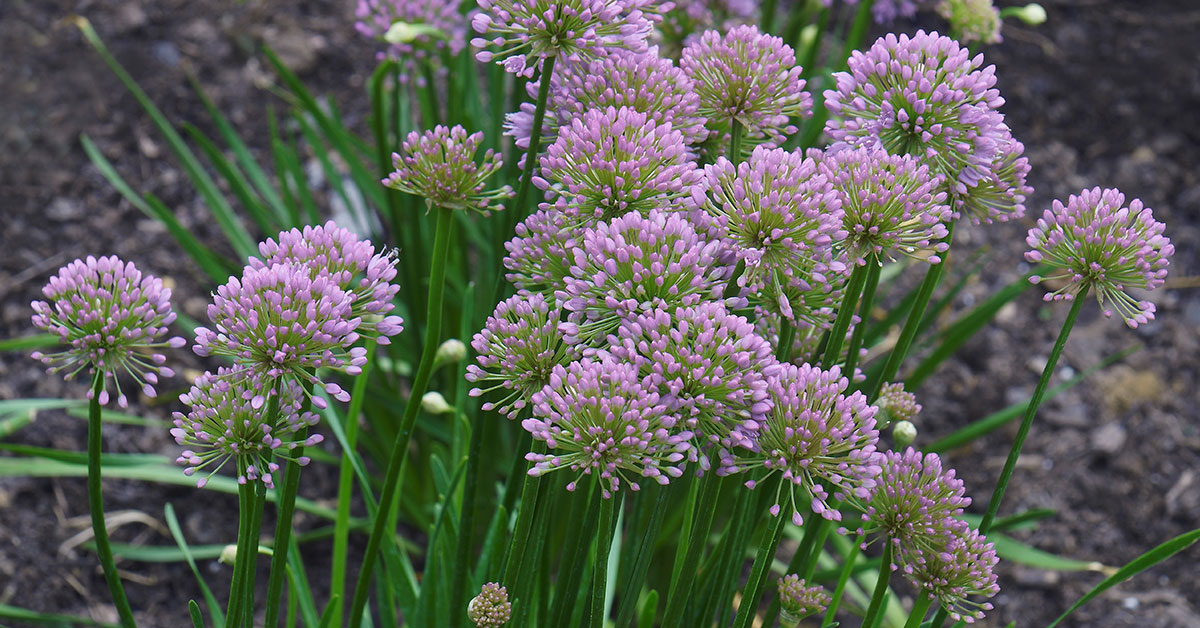

Siberian chives (Allium nutans) are a perennial herb that is native to Central Asia and Siberia. It is a member of the allium family, which includes onions, garlic, and leeks. Siberian chives have a delicate onion flavor and are commonly used in cooking and garnishing. In this article, we will discuss how to grow and care for Siberian chives.
Planting Siberian Chives
Siberian chives are a popular herb that can be easily grown in your home garden. These chives are native to China, Japan, and Korea and have long, slender green leaves with a delicate onion flavor. In this guide, we will discuss how to plant Siberian chives.
Firstly, you should choose a location in your garden that receives full sunlight or partial shade. This herb prefers well-draining soil that is rich in organic matter. You can prepare the soil by removing any weeds or debris and adding organic matter like compost or well-rotted manure to improve its fertility and drainage.
Siberian chives can be planted from seeds or transplants. If you are starting from seeds, plant them in the spring or fall. Plant the seeds about ¼ inch deep and 6 to 8 inches apart. If you are using transplants, plant them at the same depth as they were in their previous container and about 6 to 8 inches apart.
Water the plant regularly to keep the soil moist. Avoid overwatering, as this can lead to root rot. Siberian chives can tolerate drought, but they grow best when the soil is consistently moist. Fertilize the chives with a balanced fertilizer once a month during the growing season.
These are a low-maintenance plant. However, they do require some care and maintenance. Prune the plants once a year to promote bushier growth and prevent the plant from becoming too leggy. Cut back the plant by one-third to one-half in the spring. Keep an eye out for pests like aphids and thrips. If you notice any infestations, treat them with insecticidal soap or neem oil.
Allium nutans) can be harvested throughout the growing season. Pinch off the leaves at the stem tips, leaving enough leaves on the plant for it to continue to grow. Regular harvesting will also help to prevent the plant from becoming too leggy.
Planting this herb is easy and requires minimal care. By following these tips, you can ensure that your Siberian chives plant thrives and provides you with years of beauty and benefits.
Caring for Siberian Chives
Siberian chives require minimal care. However, there are a few things you can do to ensure that your plant stays healthy and productive. In this guide, we will discuss how to care for Siberian chives.
Watering: They should be watered regularly to keep the soil moist. They can tolerate drought, but they grow best when the soil is consistently moist. Avoid overwatering, as this can lead to root rot.
Pruning: Prune once a year to promote bushier growth and prevent the plant from becoming too leggy. Cut back the plant by one-third to one-half in the spring. This will encourage the plant to produce new growth and prevent it from becoming too woody.
Pests and Diseases: This herb is relatively pest and disease-resistant. However, you should keep an eye out for aphids and thrips. If you notice any infestations, treat them with insecticidal soap or neem oil.
Harvesting: Allium nutans can be harvested throughout the growing season. Pinch off the leaves at the stem tips, leaving enough leaves on the plant for it to continue to grow. Regular harvesting will also help to prevent the plant from becoming too leggy.
Fertilization: Siberian chives don’t require much fertilizer, but you can fertilize them with a balanced fertilizer once a month during the growing season. Alternatively, you can add compost or well-rotted manure to the soil around the base of the plant to provide it with nutrients.
Division: Siberian chives can become crowded over time. To keep them healthy, you should divide the plant every 3 to 4 years. Dig up the entire plant and gently separate the roots. Replant the divisions in moist soil.
Uses
Siberian chives have several culinary and medicinal uses. Here are some of the uses of Siberian chives:
- Culinary uses: it can be used fresh or dried in a variety of culinary dishes, including salads, soups, sauces, and marinades. Their delicate onion flavor pairs well with seafood, eggs, and vegetables. They can also be used as a garnish.
- Medicinal uses: Siberian chives are known to have antioxidant and anti-inflammatory properties. They are also a good source of vitamins A and C, as well as iron and calcium. They can be used to support the immune system and promote overall health.
- Companion planting: They are often used as a companion plant in vegetable gardens. They can help to repel pests like aphids and thrips and attract beneficial insects like bees and butterflies.
Overall, Siberian chives are a valuable and versatile herb that has a range of culinary and medicinal uses. Their delicate onion flavor and medicinal properties make them a popular choice for home gardeners and chefs alike.