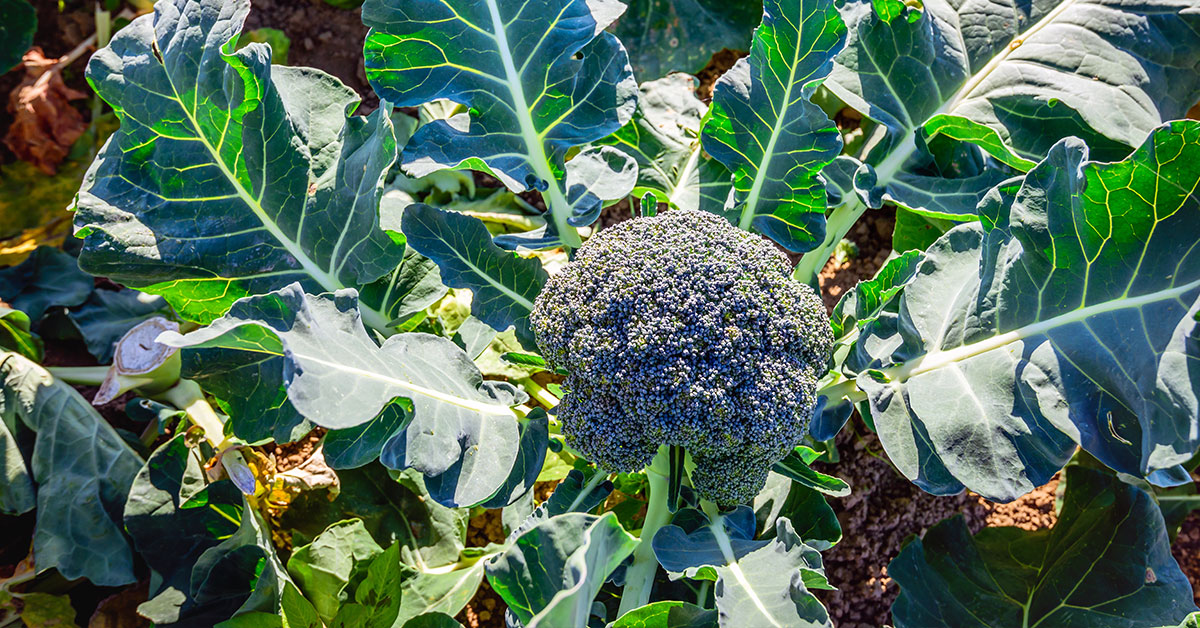

Calabrese broccoli, scientifically known as Brassica oleracea var. italica, is a popular and versatile vegetable that has become a staple in many households. Despite its name, which might lead some to believe it’s a specific variety native to Calabria, Italy, Calabrese broccoli is actually the type of broccoli most commonly found in supermarkets and gardens around the world.
With its robust, earthy flavor and a wealth of nutrients, it’s no wonder that this cruciferous vegetable is a favorite among gardeners and chefs alike. This article will explore the unique appearance of Calabrese broccoli, its growth habits, the size of its florets, and provide useful tips for successfully growing this delicious and nutritious plant in your garden.
Appearance & Origin
Calabrese broccoli is characterized by its deep green, tightly packed florets and thick, sturdy stems. The florets grow in a branching pattern, forming a central head that is surrounded by smaller clusters of buds. The plant also features large, blue-green leaves with a slightly waxy texture, which fan out from the central stalk. When grown in ideal conditions, Calabrese broccoli plants can reach up to 2.5 feet in height and 18 inches in width.
Calabrese broccoli is believed to have originated in the Mediterranean region, specifically in the eastern Mediterranean or Asia Minor (present-day Turkey). It is a cultivar of the species Brassica oleracea, which also includes cabbage, cauliflower, kale, and Brussels sprouts, among others. The name “Calabrese” is somewhat misleading, as it suggests a connection to the Calabria region of southern Italy; however, this is not where the vegetable originated.
Broccoli was cultivated and consumed by the ancient Romans, and it spread throughout Europe over time. It reached Italy around the 16th century, where it was further developed and refined into the Calabrese variety we know today. The popularity of Calabrese broccoli continued to grow, and it eventually made its way to North America in the 18th century, where it has since become a staple in gardens and kitchens alike.
How Calabrese Broccoli Grows
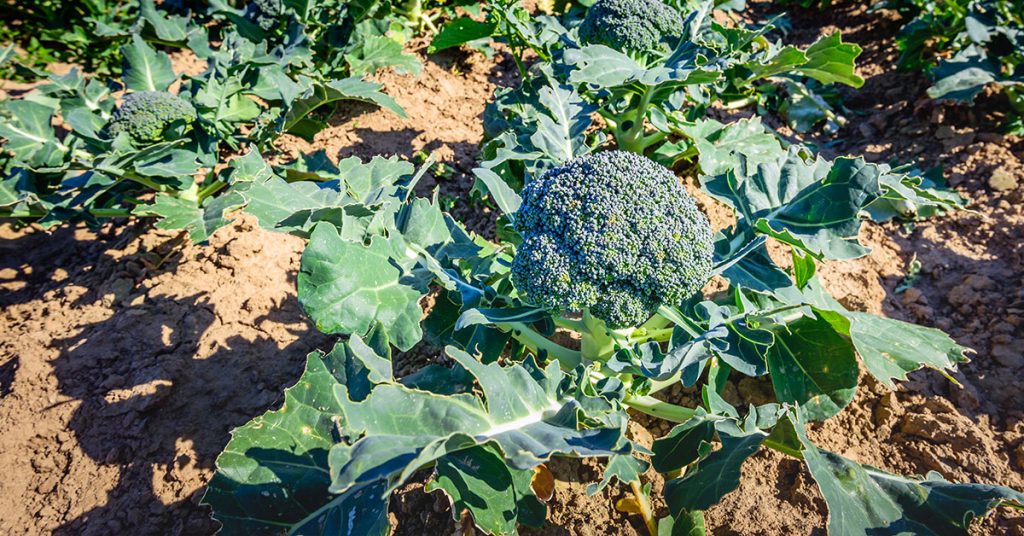
Calabrese broccoli is a cool-season crop that is typically grown as an annual, although it can be grown as a biennial in some climates. The plant thrives in well-draining, nutrient-rich soil with a pH level between 6.0 and 7.0. It prefers consistent moisture and temperatures between 60-70°F, which encourages the development of tender, flavorful florets. In most regions, Calabrese broccoli can be grown in both spring and fall, providing two harvests per year.
The size of Calabrese broccoli florets can vary, but on average, the central head measures between 4 and 6 inches in diameter, while the smaller side shoots usually range from 1 to 3 inches. The size of the florets can be influenced by various factors, such as growing conditions, variety, and the age of the plant. For the most tender and flavorful florets, it is best to harvest the broccoli when the buds are tightly closed before they open and flower.
Tips for Growing Calabrese Broccoli
Broccoli is extremely easy to grow, but getting the most out of your broccoli plants requires a little knowledge about how to properly grow these delicious vegetables. These are my tips for growing a bountiful broccoli crop:
- Choose the right variety: Several different cultivars of Calabrese broccoli are available, each with unique characteristics that may make them better suited to your specific growing conditions or taste preferences. Popular varieties include ‘Green Magic,’ ‘Belstar,’ and ‘Marathon,’ among others.
- Start seeds indoors: To get a jumpstart on the growing season, start your Calabrese broccoli seeds indoors 6-8 weeks before the last frost date in your area. Transplant seedlings outdoors, when they have 2-4 true leaves and the soil temperature, is at least 50°F.
- Space plants appropriately: To ensure that your Calabrese broccoli plants have ample room to grow, space them approximately 18-24 inches apart in rows that are 24-36 inches apart.
- Provide consistent moisture: Calabrese broccoli plants require consistent moisture to develop healthy, tender florets. Water your plants regularly, aiming for about 1-1.5 inches of water per week, either through rainfall or irrigation.
- Feed your plants: To support robust growth, feed your Calabrese broccoli plants with a balanced, slow-release fertilizer or nutrient-rich compost at planting time, and then again midway through the growing season.
It’s also important to watch out for pests and disease. Calabrese broccoli, like other cruciferous vegetables, can be affected by various pests and diseases. Some of the most common issues gardeners may encounter include:
- Aphids: These small, sap-sucking insects can cause distorted growth and transmit plant viruses. They often congregate on the undersides of leaves and can be controlled with insecticidal soap, neem oil, or by introducing beneficial insects like ladybugs and lacewings.
- Cabbage loopers and cabbage worms: These caterpillars feed on the leaves and heads of broccoli plants, leaving behind holes and damaging the crop. Hand-picking the caterpillars, using floating row covers, and introducing natural predators like parasitic wasps and birds can help keep their populations in check.
- Flea beetles: These small, jumping insects feed on the leaves of young broccoli plants, causing small holes and potentially stunting growth. Floating row covers, diatomaceous earth, and insecticides labeled for flea beetles can help control infestations.
- Clubroot: This soil-borne fungal disease causes swollen, distorted roots and stunted growth. It can be difficult to control once established, so prevention is key. Practice crop rotation, maintain a soil pH between 6.0 and 7.0, and avoid overwatering to reduce the risk of clubroot.
- Black rot: Caused by the bacterium Xanthomonas campestris pv. campestris, black rot leads to V-shaped yellow lesions on the leaves and blackening of the veins. To prevent this disease, use disease-free seeds and transplants, practice crop rotation, and avoid working with wet plants.
- Downy mildew: This fungal disease causes yellowish patches on the upper surface of leaves and a grayish-white mold on the underside. To control downy mildew, provide good air circulation, avoid overhead watering, and apply fungicides labeled for downy mildew as needed.
- White mold (Sclerotinia stem rot): This fungal disease causes water-soaked lesions on the stems and leaves, as well as the formation of white, cottony growths. To prevent white mold, ensure proper plant spacing, practice crop rotation, and remove infected plant material from the garden.
By monitoring your Calabrese broccoli plants for signs of pests and diseases and taking appropriate action to prevent or control these issues, you can help ensure a healthy, productive crop.