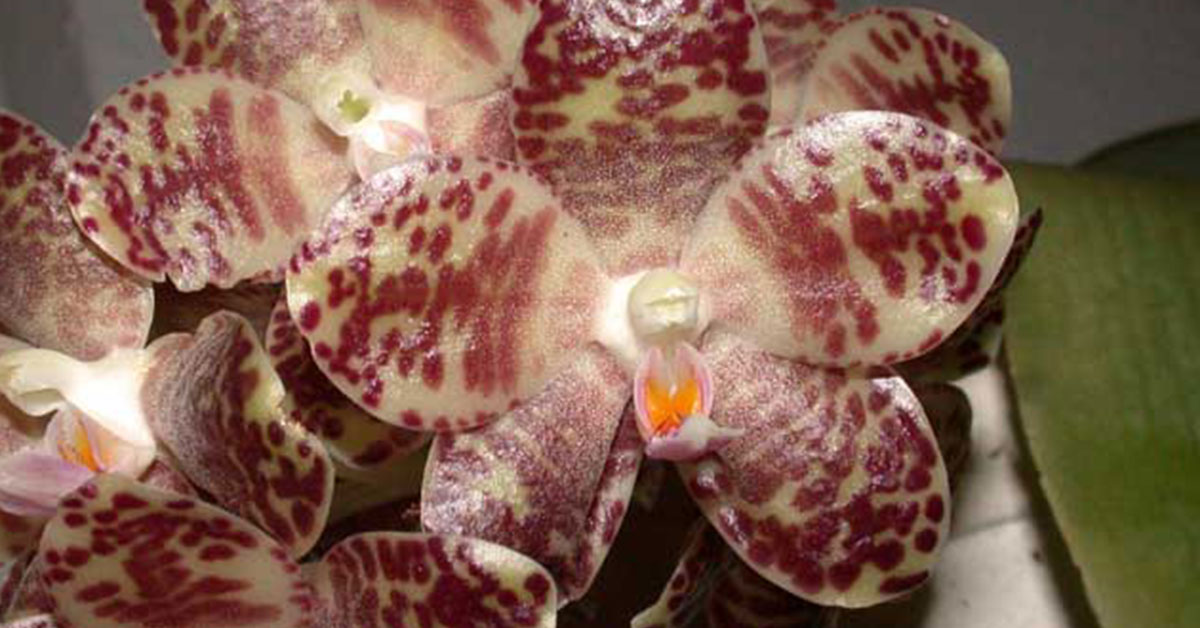

Phalaenopsis gigantea is a popular orchid species among orchid enthusiasts and gardeners because of its stunning appearance and unique characteristics. The plant’s large size and broad leaves give it a bold and impressive presence, making it a statement plant in any collection or display.
Additionally, the fragrant and long-lasting flowers make it a popular choice for cut flowers and as an ornamental houseplant. Despite its impressive size, Phalaenopsis gigantea is relatively easy to care for, making it an excellent choice for both experienced and novice orchid growers alike.
All About Phalaenopsis Gigantea Orchids
Phalaenopsis gigantea is a species of orchid that belongs to the Phalaenopsis genus. It is native to Southeast Asia, particularly the Philippines, Borneo, and Sulawesi. This orchid species is known for its large size, with plants that can grow up to 3 meters long. The leaves are broad and leathery, and they can reach up to 50 cm in length.
The flowers of this orchid species are also impressive, with a diameter of up to 10 cm, and they typically have a cream or pale yellow color with reddish-brown markings. The flowers are fragrant and last for several weeks. Phalaenopsis gigantea is a popular orchid species among gardeners and orchid enthusiasts due to its impressive size and stunning appearance.
Caring For Phalaenopsis Gigantea Orchids
Caring for Phalaenopsis gigantea orchids is relatively easy, but it requires some attention to detail to ensure that the plant thrives. Here are some tips for caring for Phalaenopsis gigantea orchids:
- Lighting: These orchids prefer bright, indirect light, but they should be protected from direct sunlight, which can burn the leaves.
- Temperature and humidity: Phalaenopsis gigantea orchids prefer warm and humid environments, with temperatures ranging from 20 to 30°C during the day and 15 to 20°C at night. The humidity should be kept around 60-80%, and adequate ventilation is essential to prevent mold and fungal infections.
- Watering: Orchids require consistent watering. Water them when the potting medium feels dry to the touch. Overwatering can lead to root rot, so be careful not to let the plant sit in standing water. It is also important to use a well-draining potting mix that allows excess water to drain away from the roots.
- Fertilizer: Phalaenopsis gigantea orchids require regular fertilization to promote healthy growth and flowering. Use a balanced orchid fertilizer every 2-3 weeks during the growing season.
- Repotting: Phalaenopsis gigantea orchids should be repotted every 1-2 years, or when the potting medium begins to break down. Use a fresh potting mix and a pot that is only slightly larger than the previous one to prevent overwatering.
With proper care and attention, Phalaenopsis gigantea orchids can thrive and produce stunning flowers for many years.
How To Propagate
Phalaenopsis gigantea orchids can be propagated through division or stem cuttings. Here are the steps for each method:
Division
Wait until the plant has finished blooming and is entering its growing season. Gently remove the plant from its pot and carefully separate the individual plants by cutting through the roots. Each new plant should have at least three leaves and a healthy root system. Plant each division in a new pot with fresh potting mix.
Stem cuttings
Choose a stem that has recently finished blooming and has at least two nodes. Cut the stem just below the lowest node with a sterile cutting tool. Dip the cut end in rooting hormone and plant it in a small pot with moist, well-draining potting mix. Cover the pot with a plastic bag or dome to maintain humidity, and place it in a warm, bright location with indirect sunlight. Water the cutting sparingly, and after a few weeks, check for new growth.
Propagation can be a fun and rewarding way to create new Phalaenopsis gigantea orchids and expand your collection. However, it can take several months for the new plant to establish and produce blooms.