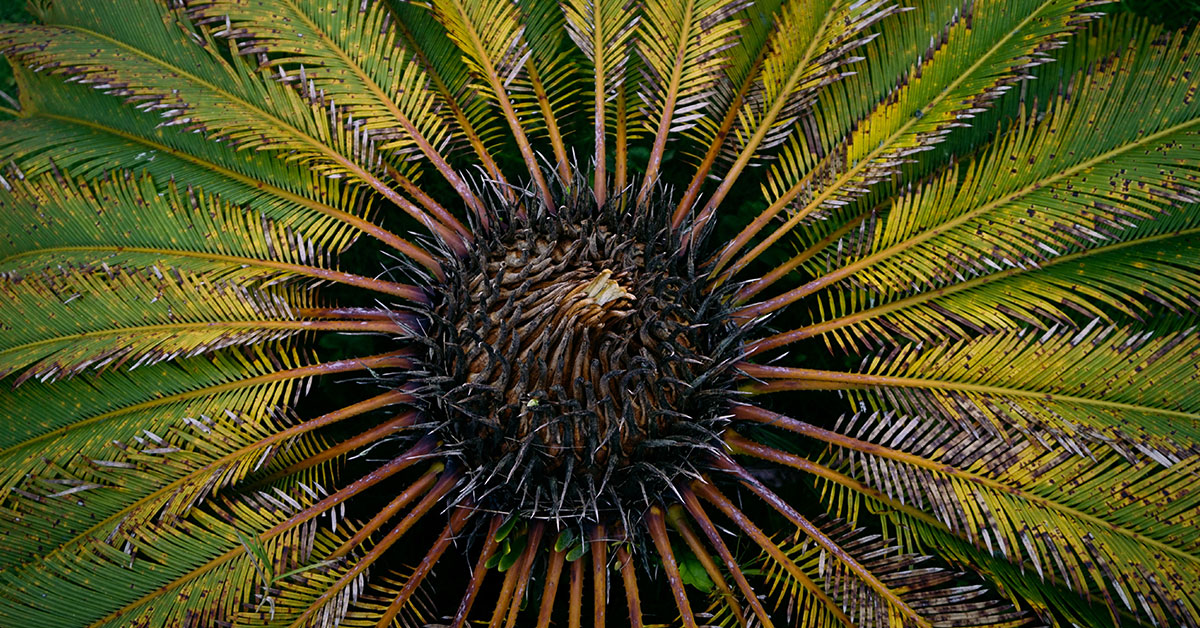

Sago Palms, also known as Cycas revoluta, are a popular tropical plant with a distinctive and attractive appearance. One common question I hear is: why is my sago palm turning yellow? This issue can be caused by a variety of factors, including environmental stress, pest infestations, and nutrient deficiencies. In this article, we will discuss the potential reasons for yellowing in sago palms and effective remedies for the issue.
Why is my sago palm turning yellow?
Sago palms can turn yellow due to a variety of reasons, including environmental stress, pest infestations, and nutrient deficiencies. Environmental stressors can include extreme temperatures, insufficient light, and improper watering.
Pest infestations, such as mealybugs, spider mites, and scale insects, can also damage the plant’s leaves and cause yellowing. Nutrient deficiencies, particularly a lack of nitrogen, magnesium, or iron, can occur if the plant is not receiving enough of these nutrients from the soil or if the soil pH is too high.
To remedy yellowing, it is important to identify the underlying cause and provide the plant with the necessary care and treatment.
Environmental Stress
One of the most common reasons for yellowing in sago palms is environmental stress. This can be caused by a variety of factors, including temperature extremes, insufficient light, and improper watering.
To remedy yellowing caused by environmental stress, it is important to identify and correct the underlying issue. If the plant is being exposed to extreme temperatures, such as being placed near a drafty window or air conditioner, it should be moved to a more suitable location.
If the plant is not receiving enough light, it may need to be moved to a brighter location or provided with supplemental lighting. If the yellowing is due to overwatering or underwatering, the plant’s watering schedule should be adjusted accordingly.
Pest Infestations:
Another common reason for yellowing in sago palms is pest infestations. Common pests that can infest sago palms include mealybugs, spider mites, and scale insects. These pests can damage the plant’s leaves and cause yellowing.
To remedy yellowing caused by pest infestations, it is important to identify the type of pest and treat it accordingly. Mealybugs and scale insects can be treated with an insecticidal soap or neem oil spray, while spider mites can be treated with a miticide. It is important to follow the instructions on the product label carefully and to apply the treatment as directed.
Nutrient Deficiencies:
Yellowing in sago palms can also be caused by nutrient deficiencies, particularly a lack of nitrogen, magnesium, or iron. These deficiencies can occur if the plant is not receiving enough of these nutrients from the soil or if the soil pH is too high.
To remedy yellowing caused by nutrient deficiencies, it is important to provide the plant with the necessary nutrients. A balanced fertilizer with a high nitrogen content can be applied to the soil to correct nitrogen deficiencies, while a fertilizer with a high magnesium or iron content can be applied to correct deficiencies of these nutrients. It is important to follow the fertilizer label’s instructions and to avoid over-fertilizing, as this can cause additional stress to the plant.
Yellowing in sago palms can be caused by a variety of factors, including environmental stress, pest infestations, and nutrient deficiencies. To remedy this issue, it is important to identify the underlying cause and provide the plant with the necessary care and treatment. By following the tips outlined in this article, sago palm owners can keep their plants healthy and vibrant.