
Trees that grow edible nuts are not only great for their shade and aesthetic value, but also for the tasty and nutritious nuts they yield. In this article, we will explore some of the most popular nut-producing trees and the planting zones they can grow in.
6 Trees that grow edible nuts
Planting edible nut trees in your yard is not only a great way to enhance the beauty of your landscape but also a smart investment in your health and well-being. Nut trees provide a sustainable source of nutritious food that can be enjoyed for generations to come.
By growing your own nuts, you can ensure that you are consuming fresh, high-quality produce without the use of harmful pesticides or chemicals. Additionally, nut trees are environmentally beneficial, as they help to improve soil quality, prevent erosion, and provide habitat for wildlife.
With the proper care and attention, edible nut trees can be a valuable addition to any home garden or orchard. These are my 7 favorite trees that grow edible nuts!
Almond Trees (Prunus dulcis)
Almond trees produce a delicious and versatile nut that is high in protein, healthy fats, and fiber. They are best grown in USDA planting zones 7 to 9, where they can thrive in full sun and well-draining soil. Almond trees can grow up to 30 feet tall and require cross-pollination from another almond tree to produce nuts.
Chestnut Trees (Castanea spp.)
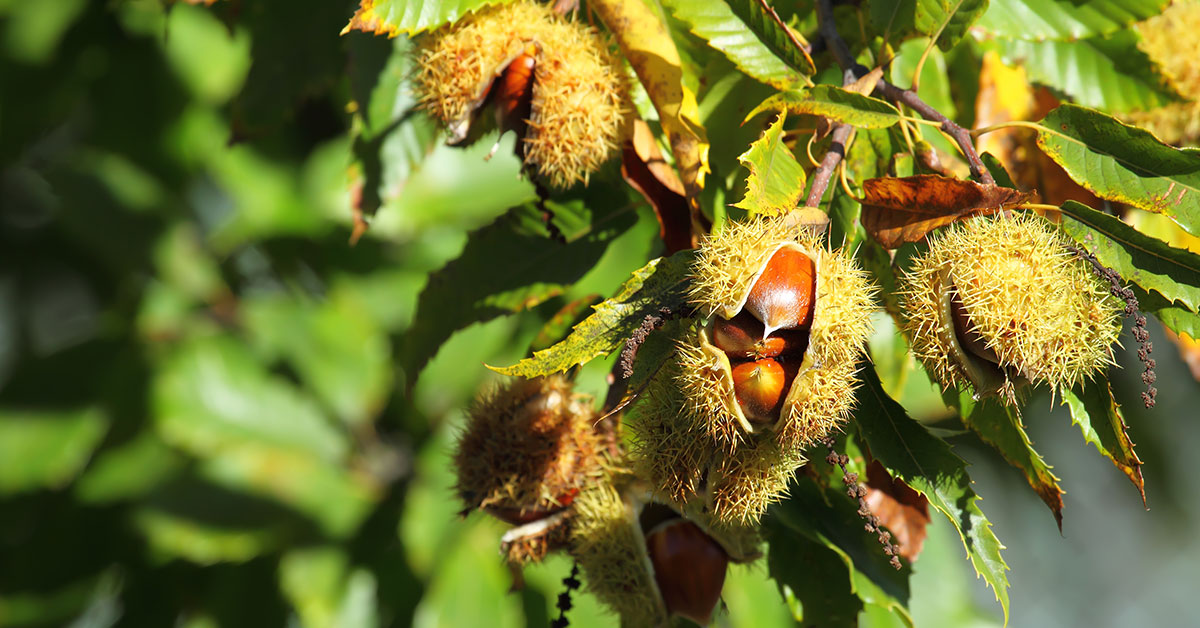
Chestnut trees produce large, sweet nuts that are commonly used in stuffing, baking, and roasting. They are best grown in USDA planting zones 4 to 8, where they can tolerate colder temperatures and thrive in well-draining soil. Chestnut trees can grow up to 100 feet tall and require two or more trees for successful cross-pollination.
Hazelnut Trees (Corylus avellana)
Hazelnut trees produce small, sweet nuts that are used in a variety of baked goods and confections. They are best grown in USDA planting zones 4 to 9, where they can tolerate a range of temperatures and thrive in well-draining soil. Hazelnut trees can grow up to 20 feet tall and require cross-pollination from another hazelnut tree to produce nuts.
Pecan Trees (Carya illinoinensis)
Pecan trees produce a popular and flavorful nut that is commonly used in pies, candy, and other desserts. They are best grown in USDA planting zones 5 to 9, where they can thrive in full sun and well-draining soil. Pecan trees can grow up to 100 feet tall and require cross-pollination from another pecan tree to produce nuts.
Walnut Trees (Juglans spp.)
Walnut trees produce a rich and flavorful nut that is high in protein and healthy fats. They are best grown in USDA planting zones 4 to 9, where they can tolerate a range of temperatures and thrive in well-draining soil. Walnut trees can grow up to 100 feet tall and require cross-pollination from another walnut tree to produce nuts.
Brazil Nuts (Bertholletia excelsa)
Brazil nuts are a delicious and nutritious nut that is primarily grown in the Amazon rainforest of South America. The Brazil nut tree (Bertholletia excelsa) can grow up to 160 feet tall and requires a tropical climate with high humidity and abundant rainfall. While Brazil nuts are not commonly grown in North America, they can be found in specialty stores and are often used in baking, trail mixes, and other snacks. The nutritional benefits of Brazil nuts include high levels of healthy fats, protein, and antioxidants.
In conclusion, nut-producing trees are a valuable addition to any garden or landscape. By planting these trees in the appropriate USDA planting zones, you can enjoy the delicious and nutritious nuts they produce for years to come.