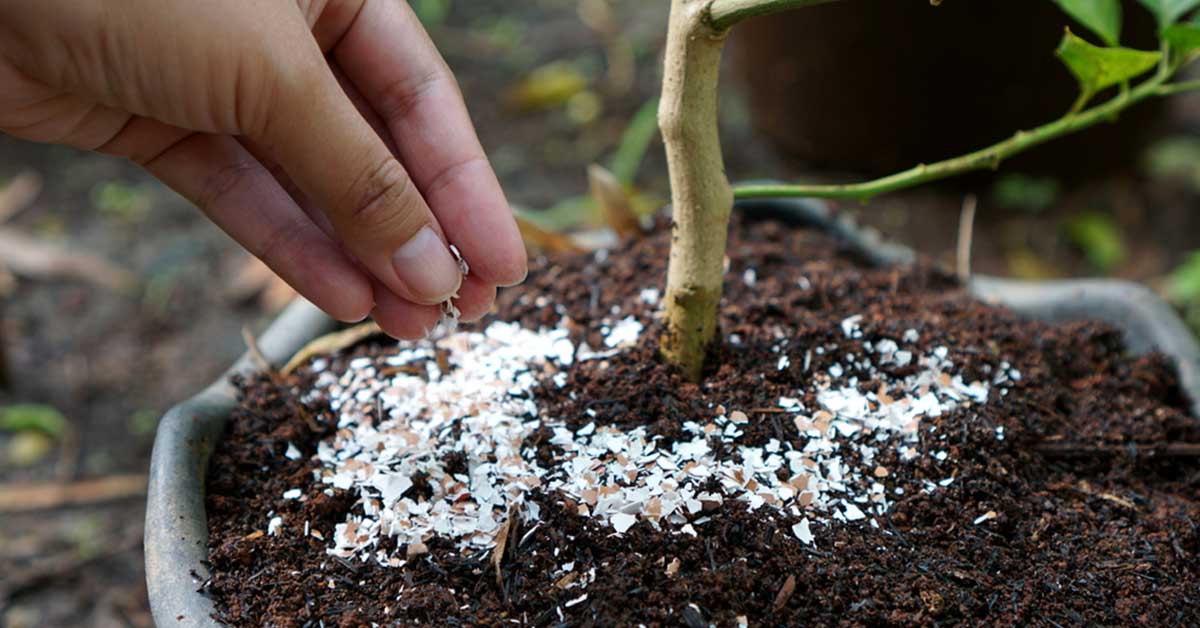

Every gardener has seen it: someone on social media crushing eggshells around their tomatoes, claiming it prevents blossom end rot and deters slugs. The advice sounds sensible enough. Eggshells are free, they’re abundant if you cook much at all, and calcium is real — plants genuinely need it. So what’s the problem?
The problem is that most of the ways people use eggshells in the garden don’t actually work the way they think. Some of the advice is based on a real mechanism but applied wrong. Some of it is just myth. And some of it — particularly around composting and soil building — is genuinely useful, just slower than anyone admits.
Here’s what’s actually going on, and what’s worth doing versus skipping.
The Core Claim: Eggshells Add Calcium to Soil
This is true, but with a major caveat. Eggshells are roughly 94–96% calcium carbonate — the same compound found in agricultural lime. So yes, they contain calcium that plants could theoretically use. The problem is how fast that calcium becomes available, and the answer is: slowly. Very slowly.
According to the University of Minnesota Extension, even finely crushed eggshells decompose slowly in soil, and unless you grind them to a fine powder, they may take a year or more to break down enough to release usable calcium. Illinois Extension confirms this, citing a study from Alabama Cooperative Extension that found coarsely ground shells were “not much better than nothing at all,” while finely ground shells — ground to a powder in a coffee grinder — performed as well as pure calcium. The particle size genuinely matters.
The practical takeaway: if you want eggshells to contribute calcium to your soil this season, you need to grind them fine. Casually crushed shells tossed in the planting hole aren’t doing much this year. They might contribute something next year, or the year after that.
The Blossom End Rot Myth
This is where the misinformation is most widespread, and it’s worth addressing head-on.
Blossom end rot — that dark, leathery patch on the bottom of your tomatoes, peppers, or zucchini — is technically a sign of calcium deficiency in the fruit. That part is true. But according to Mississippi State University Extension, the deficiency is almost never because there’s not enough calcium in the soil. Most garden soils have adequate calcium. The real issue is that calcium moves through plants with water via transpiration — and if watering is inconsistent, roots are damaged, or soil moisture fluctuates wildly, the plant simply can’t transport the calcium that’s already there to the developing fruit.
NC State Extension says it plainly: adding eggshells won’t make calcium available to plants in time to prevent blossom end rot, and even if your soil were calcium-deficient, the shells decompose too slowly to help. The fix for blossom end rot is consistent watering — not eggshells.
So if you’re crushing shells around your tomatoes to stop blossom end rot, you can stop. What you should do instead: mulch heavily to retain soil moisture, water deeply and consistently, and keep your tomato plants healthy overall.
What Eggshells Are Actually Good For
Now for the genuinely useful part.
Composting. This is probably the best use of eggshells for most gardeners. They add calcium to finished compost that gets incorporated into your soil over time, and they add grit that helps worms process organic matter more efficiently. The slow breakdown that makes them unhelpful as a quick fix is fine in a compost pile — you’re not in a hurry.
Grinding for a quicker amendment. If you do have acidic soil and want to raise pH slightly, eggshell powder can work similarly to lime — it just takes patience and prep. Save shells, dry them (a short stint in a low oven works), and grind them in a dedicated coffee grinder until they’re a fine powder. Mix into soil or compost. Do a soil test first — adding calcium to already calcium-rich soil accomplishes nothing and can actually interfere with uptake of other nutrients.
Eggshell tea. Boiling 10–20 shells, letting the water sit overnight, then straining and applying the liquid gives you a dilute, water-soluble calcium solution that’s immediately available to plants. Illinois Extension mentions this as a viable approach, with each shell contributing about 4mg of calcium, and suggests two cups of the solution per plant applied every two weeks. It won’t transform your garden, but it’s a genuinely clever way to use what you’d otherwise throw away.
As a seedling starter. Halved eggshells make decent little biodegradable seed-starting containers. Fill them with potting mix, start your seeds, and when it’s time to transplant, gently crush the bottom of the shell and plant the whole thing. The shell slowly breaks down in the soil. It’s fussy for large quantities but charming for a small windowsill setup.
The Slug Deterrent Claim
Scattered crushed eggshells as a slug barrier is one of the most persistent pieces of garden folklore. The theory is that slugs won’t crawl over the sharp edges. There’s just not much evidence it works reliably. Slugs are remarkably determined, and shells lose their edge quickly as they weather and flatten. If you want to deter slugs and snails from your plants, copper tape, iron phosphate baits, or handpicking at dusk are far more effective approaches — eggshells are more garden aesthetic than barrier.
Who Actually Benefits From Eggshells in the Garden
If you have genuinely calcium-deficient, acidic soil and you’re willing to put in the prep work of grinding shells fine, eggshells can be a real (if slow) amendment. Do a soil test through your local extension office first — it will tell you whether you actually have a calcium or pH problem worth addressing.
For most gardeners growing tomatoes and dealing with blossom end rot, the eggshell advice is a detour from the actual solution. What your tomatoes need is consistent moisture, good mulching, and healthy root systems — not a handful of shells in the planting hole.
The genuinely honest assessment: eggshells in the garden are harmless, they add a small amount of organic material, and composted or finely ground they have real value over time. They’re just not the quick fix or the magic slug barrier that social media makes them out to be.
Put them in your compost pile. Grind them fine if you want to use them as a soil amendment. And fix your blossom end rot with a consistent watering schedule.
FAQ
Do eggshells help tomatoes? Somewhat, over time. Whole or coarsely crushed shells decompose very slowly and won’t provide meaningful calcium this season. Finely ground eggshell powder works better, but if you’re trying to prevent blossom end rot, consistent watering matters far more than calcium additions.
Can I just toss eggshells around my plants? You can, and it won’t hurt. But coarsely broken shells are largely decorative from a nutrient standpoint — they take too long to break down to be much use this growing season. For actual benefit, grind them or compost them.
How do I use eggshells in compost? Crush them before adding — even loosely. Whole shells will still be visible in finished compost. The more surface area, the faster they break down. Adding crushed shells to a worm bin is particularly effective since worms use the grit to help digest other organic matter.
Do eggshells deter slugs? The evidence is limited. Crushed shells around plants lose their edge quickly and don’t form a reliable barrier. More effective slug deterrents include iron phosphate baits (safe for pets and wildlife), copper tape for containers, or simply going out at dusk with a flashlight and removing them by hand.
How many eggshells do I need? For a useful application of finely ground powder, figure on saving shells from several dozen eggs before you have enough to make a meaningful addition to a garden bed. Most gardeners don’t generate enough to significantly amend large areas — which is another reason the compost pile is usually the best destination.
Is eggshell tea worth making? It’s a clever, low-effort way to get some immediate calcium into the soil, particularly if you’re concerned about plants during fruiting. Boil your saved shells, let them soak overnight, strain, and dilute with water before applying. Won’t fix a serious deficiency, but it’s a reasonable addition to your plant care routine.