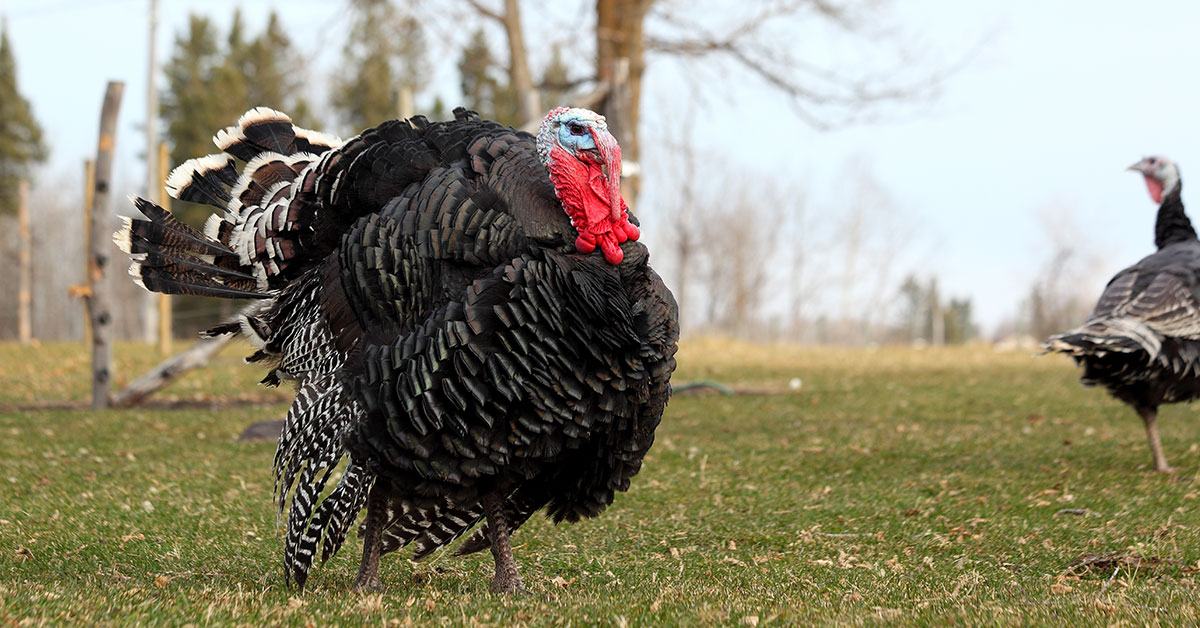

Bronze turkeys are a beautiful and docile breed of domestic turkey that are popular among farmers and poultry enthusiasts. They are known for their striking appearance, friendly demeanor, and ability to lay a moderate number of eggs per year. In this article, we will explore the various aspects of bronze turkeys, including their appearance, temperament, breed origin, egg-laying capacity, purpose, breeding, and care.
Appearance and Temperament
Bronze turkeys are a large breed of turkey, with adult males weighing around 36 pounds and females weighing around 18 pounds. They have a distinctive bronze plumage that shimmers in the sunlight, with iridescent green and red hues. The feathers on their breast and tail are black, which creates a striking contrast against the bronze body. Bronze turkeys have a long neck, a small head, and a distinctive red wattle and caruncles on their head and neck. Their legs and feet are sturdy and often a deep gray color.
Bronze turkeys are known for their docile and friendly temperament. They are not aggressive and are easy to handle, which makes them an ideal breed for families with children or novice farmers. Bronze turkeys also have a curious and playful nature, and they enjoy exploring their surroundings and interacting with their human caregivers.
Breed Origin
Bronze turkeys are a heritage breed that originated in North America. They were first developed in the 18th century by crossing wild turkeys from Mexico with domesticated turkeys from Europe. The resulting breed was larger and more robust than either of its parent breeds, with a striking bronze plumage that made it popular among farmers and consumers alike.
In the early 20th century, bronze turkeys were the most popular breed of turkey in the United States, accounting for over 90% of all domesticated turkeys. However, their popularity declined in the mid-20th century as commercial breeders began to focus on other breeds that were more suited to industrial farming practices.
Today, bronze turkeys are classified as a rare breed by the American Livestock Breeds Conservancy, and efforts are underway to preserve their genetic diversity and increase their numbers.
Purpose
Bronze turkeys are not known for their prolific egg-laying ability, but they do lay a moderate number of eggs per year. On average, a mature hen will lay around 25 to 30 eggs per year, which is significantly less than other breeds of domesticated turkey. However, the eggs that bronze turkeys lay are larger than those of other breeds, and they have a rich, flavorful yolk that is prized by many cooks and bakers.
Bronze turkeys were originally bred for their meat, which is flavorful and juicy. They are still considered a dual-purpose breed, meaning they can be raised for both meat and eggs. In recent years, there has been a growing interest in raising heritage breeds of livestock for their unique qualities, and bronze turkeys are no exception. Many small-scale farmers and homesteaders are choosing to raise bronze turkeys for their beauty, personality, and historical significance, rather than for their commercial value.
Breeding Bronze Turkeys
Breeding bronze turkeys is a relatively straightforward process. The best time to breed them is in the spring, as this is when the hens are most fertile. The males, or toms, will begin to display courtship behavior, such as puffing up their feathers, fanning their tails, and making a gobbling sound. Once a tom has successfully courted a hen, he will mate with her several times over the course of a few days.
Bronze turkeys are capable of breeding naturally, but artificial insemination is often used in commercial breeding operations to ensure genetic diversity and improve the quality of the offspring.
Incubating turkey eggs is the process of artificially hatching turkey eggs in a controlled environment, typically using an incubator. The incubation process typically takes around 28 days and requires consistent temperature, humidity, and ventilation to ensure successful hatching.
Caring for Bronze Turkeys
Caring for bronze turkeys is relatively straightforward, but it does require some attention to their housing, feeding, and general welfare. Here are some tips on how to care for bronze turkeys:
Housing
Bronze turkeys require a safe and secure living space that is protected from predators, extreme temperatures, and harsh weather conditions. A spacious coop or barn is ideal, with plenty of ventilation, natural light, and fresh bedding to keep the turkeys comfortable and healthy.
It is important to provide at least 10 square feet of space per bird, and to ensure that the coop or barn is cleaned regularly to prevent the buildup of manure and bacteria. Turkeys are also social animals and thrive in groups, so it is recommended to keep at least three to five birds together.
Feeding
Bronze turkeys are omnivorous and require a balanced diet of protein, carbohydrates, vitamins, and minerals to stay healthy and productive. A good quality turkey feed that is specifically formulated for their nutritional needs is recommended, and it should be supplemented with fresh vegetables, fruits, and grains.
It is also important to provide clean and fresh water at all times, as turkeys require a lot of water to stay hydrated and healthy. Water should be changed regularly, and the waterer should be kept clean and free from bacteria.
General Welfare
Bronze turkeys are generally healthy and hardy birds, but they do require some basic care and attention to ensure their wellbeing. Regular check-ups with a veterinarian are recommended to monitor their health and detect any signs of illness or disease.
Turkeys are also prone to stress and can become easily frightened by loud noises, sudden movements, or unfamiliar people or animals. It is important to handle them gently and calmly, and to provide them with plenty of opportunities to exercise and socialize.
In conclusion, caring for bronze turkeys involves providing them with a safe and comfortable living space, a balanced diet, and regular veterinary check-ups. By following these basic care guidelines, bronze turkeys can thrive and provide their owners with years of enjoyment and companionship.