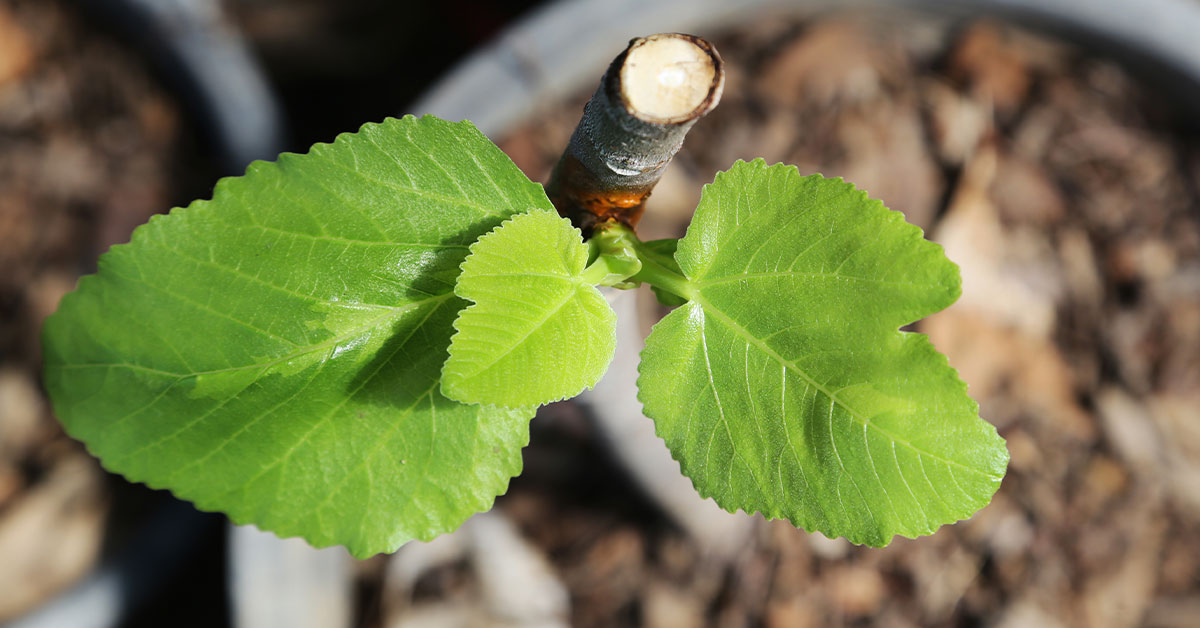

Propagating a fig tree is a great way to expand your garden and enjoy the sweet, delicious fruits of your labor. The propagation process is relatively simple and can be a great project for both novice and experienced gardeners alike. With the right conditions, you can successfully propagate your own fig tree from cuttings in your garden or even indoors. In this article, we will cover the basics of fig tree propagation and provide some tips to ensure your success.
Why propagate a fig tree?
Propagating a fig tree is a great way to expand your garden and provide yourself with a beautiful and productive tree. The best time to propagate a fig tree is in the late winter or early spring. This is a time when the tree is dormant and the cutting will have plenty of time to take root before the summer heat sets in.
Fig trees are popularly propagated for their hardy nature and their delicious fruits. Fig trees are easy to grow and require little maintenance. They can also be propagated from cuttings, and once established, can produce an abundance of fruit. The fruits of the fig tree are nutritious and can be used in many recipes, either fresh or dried. For those with smaller gardens, a fig tree can be grown in a pot and can be easily brought indoors during the winter. Fig trees are also considered to be a symbol of abundance and prosperity. Making them popular choices for those looking to bring luck and fortune into their home.
How To Propagate A Fig Tree Outdoors
Fig trees are easy to propagate from cuttings and can make a great addition to any outdoor garden. To get started, snip a stem cutting from a healthy fig tree in late summer or early autumn. Make sure the cutting is between 8 and 10 inches long and includes a few leaves. Cut off the lower leaves and dip the cut end of the stem in rooting hormone. Plant the cutting in well-drained potting soil and water it thoroughly. Place the pot in a warm and sunny spot and keep the soil moist by occasionally misting the cutting. Roots should begin to form within a few months. Once the roots are established, transplant the cutting into the garden in an area with full sun exposure.
When propagating fig trees, it is important to select the right pot and soil. Both of these factors help provide the optimal environment for growth. Clay or ceramic pots are some of the best choices for pots. As they provide good drainage and are large enough to provide adequate room for growth. The soil should be loose and well-draining, with a pH level between 6.0 and 7.0. A mix of equal parts peat moss, compost, and perlite is optimal. It is important to ensure that the soil remains moist but not soggy. A light misting of water on the soil every few days is a good way to ensure that the fig tree is receiving enough hydration.
How To Propagate A Fig Tree Indoors
Start by taking cutting from a healthy, mature fig tree, making sure to use a clean, sharp knife or pair of scissors. Make sure the cutting is at least 4-6 inches long and contains at least two sets of leaves, and cut just below a node. Remove the lower leaves and dip the cut end in rooting hormone, then place the cutting in moist potting soil. Water the soil and keep it moist and warm, and place the pot in a sunny spot. After a few weeks, the cutting should start to produce new leaves and roots, and can be transferred to a larger pot.
Providing Aftercare
Fig trees are great for propagation, but if you want them to thrive and be healthy, you should give them the proper aftercare. Fig trees should be planted in well-draining soil that contains plenty of organic matter. When planting, make sure to water the soil around the tree and keep it consistently moist. Figs require full sun for at least 6 hours a day and should be fertilized every 6-8 weeks with a balanced fertilizer. Prune the tree when necessary to remove dead or diseased branches and thin out crowded branches. Keep an eye out for any pests or diseases and take appropriate action. Lastly, be sure to keep the root zone of the tree consistently moist but not soggy.
Propagating fig trees is a great way to increase your fig supply, but it is important to get the watering right. Too much water can lead to overwatering, which can cause root rot. This will cause the leaves to turn yellow and fall off, and the fig tree may die. Too little water can also be damaging, leading to underwatering. This will cause the leaves to dry up and the fig tree may become severely stunted. It is important to find a balance between too much and too little water when propagating fig trees. Water the tree when the top two inches of soil feels dry and make sure the soil is draining well.
Monitoring For Pests And Diseases
Propagated fig trees are susceptible to a variety of pests and diseases. One of the most common pests is the fig moth. Which lays its eggs on the tree and the larvae can cause damage to the leaves and fruit. Other pests that can harm fig trees include aphids, scales, and mealybugs, which can all cause stress and damage to the tree. Common diseases include root rot, caused by too much water, and powdery mildew, caused by wet weather and poor air circulation. In order to protect the fig tree from these pests and diseases, it is important to use preventative measures such as proper pruning and fertilization, pest and disease control products, and proper watering.