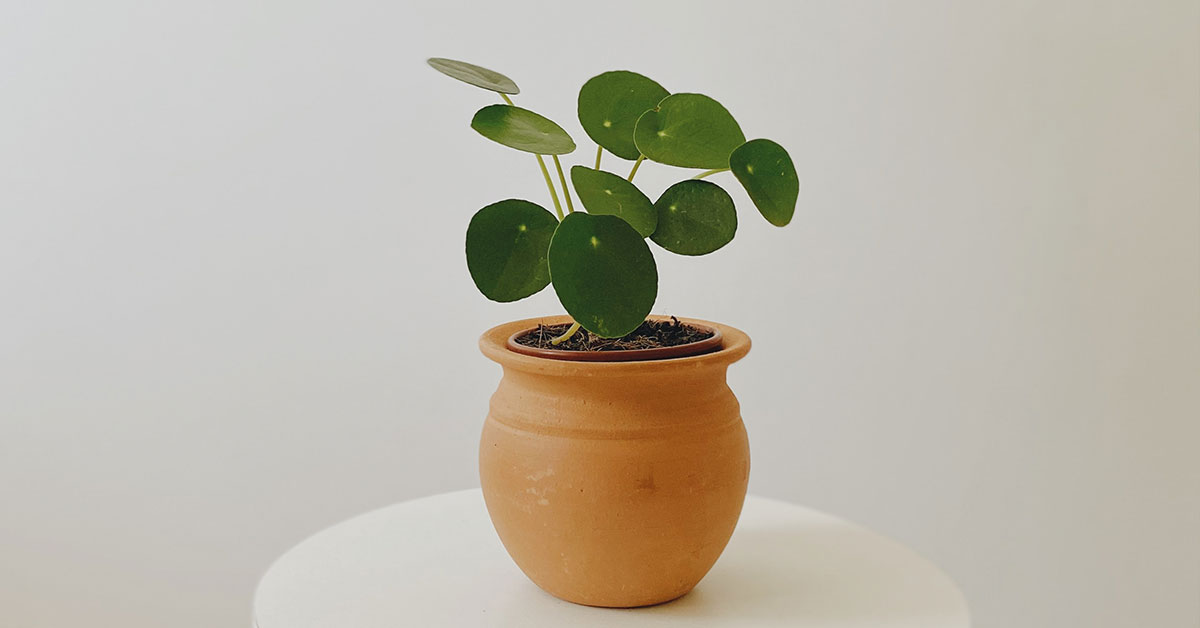

The Chinese money plant (Pilea peperomioides) is an attractive and easy-to-care-for houseplant that has become increasingly popular in recent years. It is a low-maintenance and fast-growing plant that can be propagated through both seed and vegetative means. Propagating your Chinese money plant is a great way to expand your collection. As well as a great way to share the plant with friends and family. We will discuss the steps necessary to propagate your Chinese money plant. Including tips and advice for the best results.
Is It Time To Propagate My Chinese Money Plant?
The Chinese money plant has become a popular houseplant in recent years due to its ease of propagation. Propagating a Chinese money plant is relatively simple and can be done using stem cuttings. This allows people to make more plants without spending any extra money. The plant is also known for its air-purifying properties, as it is said to remove toxins from the air. Additionally, the Chinese money plant is also known for its beautiful bright green leaves and its ability to grow quickly. For these reasons, people enjoy propagating Chinese money plants to have more of them in their homes and to clean the air.
The best time to propagate a Chinese money plant is during the warmer months of the year, typically between April and September. During this period, the plant is actively growing and the propagation process is more likely to be successful. Additionally, the propagated cuttings will have the best chance of establishing a healthy root system during this time. It is important to ensure that the soil is moist and the environment is warm (around 70-75°F) for the best results. Finally, the propagated cuttings should be placed in a bright, indirect light location to encourage growth.
How To Propagate A Chinese Money Plant
Propagating a Chinese money plant is easy and can be done in a few simple steps. Start by finding a healthy, mature plant that is at least two years old. Next, clip off one of the stems that have at least two to three leaves. Dip the stem in rooting hormone and plant it in a pot filled with potting soil. Make sure the soil is moist, but not soggy. Place the pot in indirect sunlight and water it every couple of days. In a few weeks, the stem should have formed roots and the leaves should start to grow.
Propagating a Chinese money plant by dividing offshoots is a simple method. To begin, choose a healthy, well-established plant with multiple stems and roots. Gently remove the plant from its container and inspect it for any injuries or pests. Once you have identified a workable division, use a sharp, sterile knife to carefully cut through the plant’s roots and stems. Each division should have multiple stems and roots for successful propagation. Place the divisions into a pot that has been filled with prepared soil and water them thoroughly. Keep the soil moist, but not soggy, and the divisions should take root within a few weeks. Finally, place the divisions in a sunny spot and care for them as you would any other Chinese money plant. With proper care, you’ll soon have a thriving collection of these unique houseplants.
Providing Aftercare
Providing aftercare for propagated Chinese money plants is relatively easy. It is important to place the newly propagated plant in bright, indirect sunlight and water only when the top soil is dry. Additionally, it is important to ensure the plant is not overwatered or exposed to temperatures below 55 degrees Fahrenheit. Fertilizing the plant once a month with a balanced liquid fertilizer will help ensure the plant grows healthy. Lastly, it is important to prune off any dead leaves or stems and check for pests, such as aphids, every few weeks.
When propagating this plant, it is important to strike the right balance of watering. Overwatering can cause the leaves to yellow and the roots to rot, while underwatering can cause the leaves to droop and the plant to become dry and stunted. When propagating the Chinese money plant, water it sparingly and only when the top inch of soil is dry. This plant prefers to be slightly pot-bound, so resist the urge to repot it too soon.
Monitoring For Pests And Diseases
Despite their hardiness, these plants can still be susceptible to pests and diseases. Common pests that can harm Chinese money plants include aphids, mealybugs, spider mites, and whiteflies. These pests can cause leaf discoloration, distorted growth, and even plant death if left untreated. Diseases that can affect Chinese money plants include root and stem rot, leaf spots, and powdery mildew. Root and stem rot can cause the leaves to yellow and drop off and can eventually kill the entire plant. Leaf spots can cause circular or irregular spots on the leaves that can eventually spread and cause entire leaves to yellow and drop off. Powdery mildew is a fungal disease that can cause white spots on the leaves and can lead to stunted growth and distorted leaves.
Caring for Chinese money plants is not difficult and requires only minimal pruning. Pruning should be done in the spring or early summer after new growth appears. To prune, simply cut off any brown, dead, or diseased leaves or stems. You can also pinch off the growing tips of the stems to encourage a fuller, bushier plant. Make sure to use clean, sharp shears and be sure to disinfect them between prunings to prevent the spread of any diseases. After pruning, be sure to water the plant thoroughly, as pruning can dry out the soil.