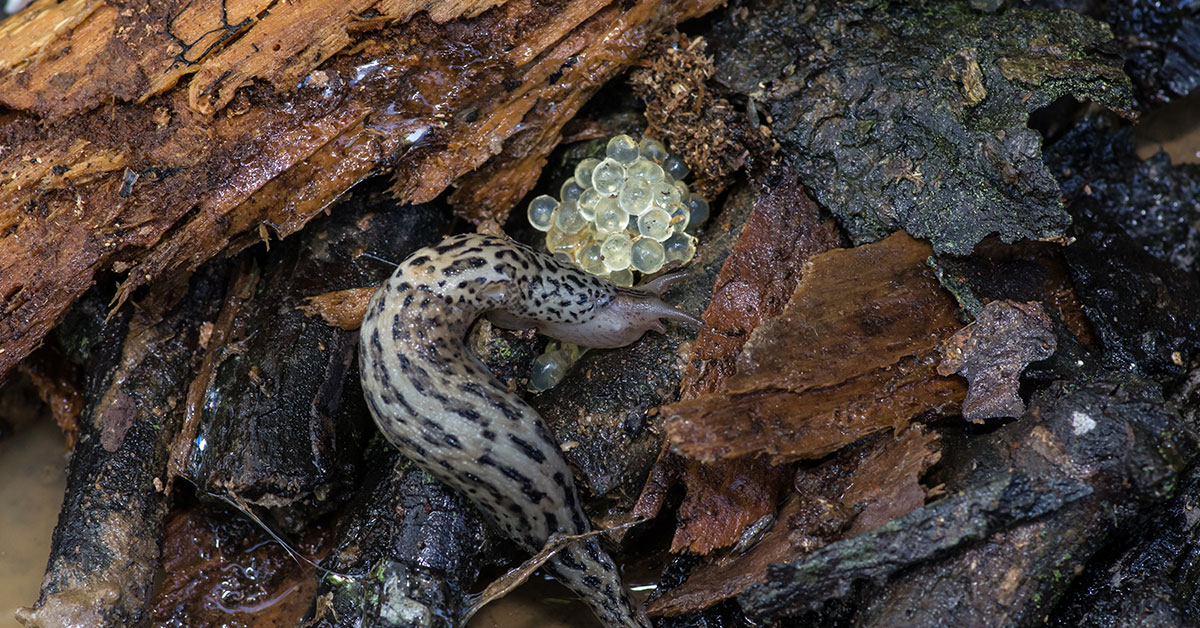

Snails and slugs are two of the most common garden pests, and their eggs can be difficult to identify. Knowing how to recognize and manage snail and slug eggs is essential for keeping your garden healthy and free of these pests. This article will provide an overview of snail and slug eggs, tips for identifying them, and advice on how to control them. By learning how to identify and manage snail and slug eggs, gardeners can protect their plants and prevent future infestations.
Why Snail And Slug Eggs Need To Be Removed
Identifying snail and slug eggs in the garden is important for a number of reasons. These eggs can hatch into a large number of pests that can wreak havoc on gardens. They can eat away at the plants and flowers. By identifying snail and slug eggs, gardeners can take proactive steps to reduce the population of these pests before the infestation gets out of hand. Additionally, identifying the eggs can help gardeners understand the lifecycle of these pests. As well as develop methods to reduce the spread of these eggs. Ultimately, reducing the population of pests in their garden.
Snail and slug eggs can be difficult to identify in the garden. As they are often small, white, and hard to spot. In general, snail eggs are typically laid in clusters and can be found in protected areas. Such as under vegetation or in damp, shaded areas. Slug eggs, on the other hand, can be scattered randomly and can be found in or around decaying organic matter. If you suspect you have snail or slug eggs in your garden, it’s best to use a magnifying glass to get a better look. The eggs will typically be white, round, and very small in size. If you’re still having trouble identifying them, you can always consult an expert or take a sample to your local garden center for help.
What Attracts Snails And Slugs To A Garden?
Snails and slugs are among the most common pests found in the garden. They are attracted to areas that offer a moist, dark, and cool environment, such as under logs, rocks, and mulch. They also like to feed on young plants, including vegetables, flowers, and herbs. To prevent these pests from invading your garden, it is important to keep the environment dry and bright. Additionally, remove debris and mulch around the plants. Furthermore, keeping the garden free of weeds and any other organic matter that may provide a food source for snails and slugs is also important. If snails and slugs are already in the garden, there are a few methods to reduce their numbers. Including handpicking and using barriers like copper or diatomaceous earth.
How To Get Rid Of Snail And Slug Eggs In The Garden
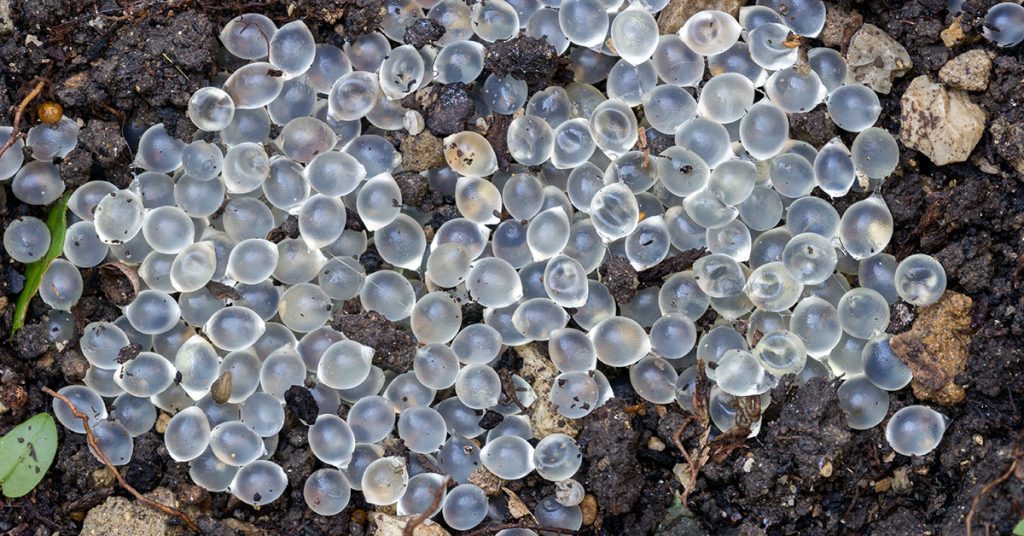
Snails and slugs can be a real nuisance in the garden, devouring plants and leaving behind slimy trails. To prevent them from laying eggs and multiplying, it is important to take steps to limit their access to food and shelter. Start by removing any debris or objects in the garden that can provide a hiding spot for the creatures. Next, clean up any spilled soil, plant debris, and mulch, as these can attract snails and slugs. Additionally, use garden netting to cover the soil, as this can help reduce the number of eggs that can be laid. Finally, set traps and baits around the garden, such as beer traps or copper barriers, to catch the pests.
One method is to sprinkle diatomaceous earth around the perimeter of your garden. This powder has sharp edges that will pierce the eggs and kill them. Another method is to use beer traps, which attract snails and slugs to drink the beer and drown in the liquid. Finally, you can pick the eggs off your plants by hand and discard them. With these simple methods, you can quickly and easily get rid of snail and slug eggs in your garden.
Dealing With Pests
Pests in the garden can be a real nuisance for gardeners and can cause significant damage to plants and crops. Common pests that are attracted to gardens include aphids, mites, caterpillars, beetles, slugs, and snails. These pests are typically attracted to the garden by the presence of food, moisture, and shelter. Gardens with plenty of plant debris, weeds, and other organic matter can provide a perfect habitat for these pests, while gardens that are well-maintained and free of debris are less likely to be attractive to them. Additionally, gardens that are located near wooded areas, bodies of water, or other areas where pests may be present can also be more prone to pest infestations.