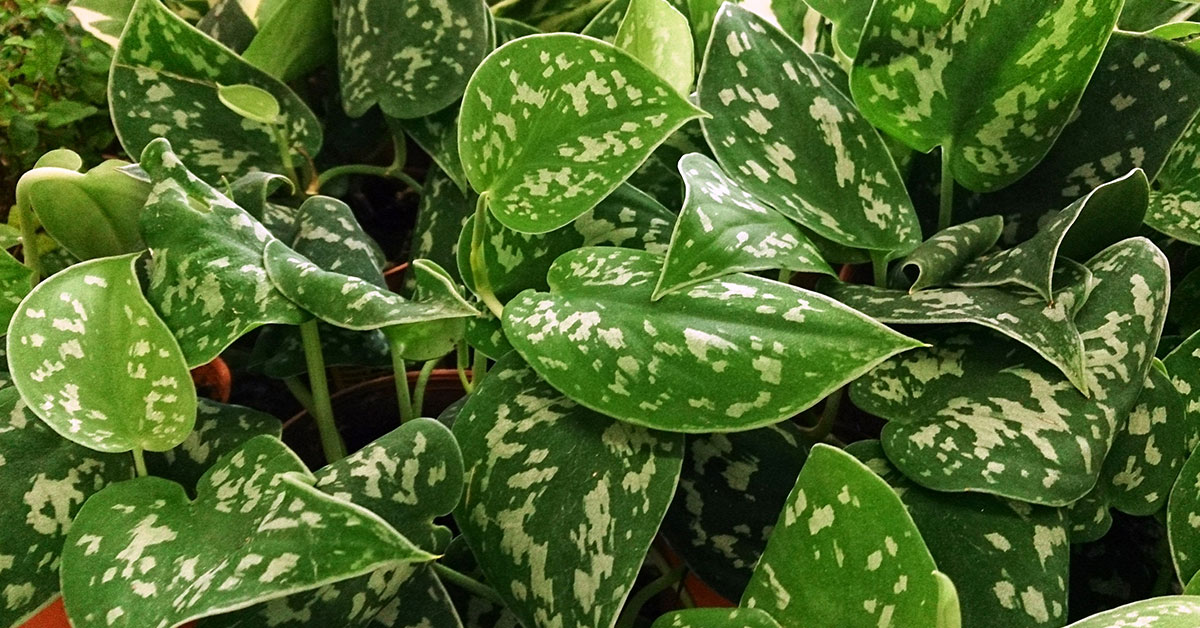

Pothos is one of the most popular indoor plants, because of its ease of care, many different varieties, and attractive foliage. It can also be grown outdoors in some climates. Growing pothos outdoors can be tricky, however, and many people have questions about the best way to do it. If you’re interested in growing pothos outdoors, we’ll walk you through all the different things you should take into consideration.
Can you grow pothos outdoors?
It is possible to grow pothos outdoors if you take into consideration the plant’s needs. Pothos prefers to be kept in a warm, humid environment with partial shade, and does best when temperatures range from 60-75 degrees Fahrenheit. The soil should be well-draining, and the plant should be watered regularly. If you live in a dry area, you may need to mist the leaves periodically to help keep them hydrated. Pothos is also susceptible to frost, so if you live in a colder climate, you may need to bring the plant indoors during the winter to prevent damage. With the right care and attention, pothos can thrive outdoors in the right conditions!
How to grow pothos outdoors
Growing pothos outdoors can be a great way to add a lush, tropical feel to your outdoor space. Pothos are a hardy, low-maintenance plant that can survive in temperatures as low as 13 degrees Celsius (55 degrees Fahrenheit).
To start, you’ll need to find a spot in your outdoor space that receives bright, indirect sunlight. Pothos prefer being in shady spots with indirect light, so be sure to avoid any areas that receive direct sunlight. Before planting, prepare your soil by tilling the area and adding organic matter such as compost or manure. This will help give your pothos an optimal environment for growing. Once your soil is prepared, you can plant your pothos in the ground.
Make sure to plant the root ball of the pothos at the same depth as it was in the pot. Water your pothos regularly, allowing the soil to dry out between waterings. Pothos prefer soil that is slightly moist, but not overly soggy. You can also add a slow-release fertilizer to the soil to help ensure the pothos gets the nutrients it needs.
Finally, you’ll need to prune your pothos regularly. Trim off any dead or dying leaves, as well as any overgrown vines. This will help keep your pothos looking its best. By following these steps, you can easily grow pothos outdoors and enjoy its lush foliage in your garden.
Problems with growing pothos outside
Growing pothos outdoors can be problematic due to pests, cold temperatures, and other environmental factors. Pests such as mealybugs, scale, and aphids can be attracted to the plant and cause significant damage. Cold temperatures can also cause damage, as pothos are tropical plants and need consistent warm temperatures to thrive. Additionally, the plant may need additional protection from the sun and wind. If the humidity drops too low, the plant may struggle to assimilate water and nutrients, making it prone to wilting and scorching. Finally, the plant may need to be sheltered from heavy rain and flooding, or else it could suffer from root rot.
Winter considerations
If you live in a non-tropical climate, your outdoor pothos plant will probably need to come inside during winter. Pothos plants require temperatures above 65°F (18°C) in order to thrive. They can survive in temperatures as low as 55°F (13°C), but growth will be slowed down significantly. Pothos can only be grown outdoors in USDA hardiness zones 12b to 13b. Even in 12b, you should be mindful to bring your pothos inside if you get an unexpected cold snap