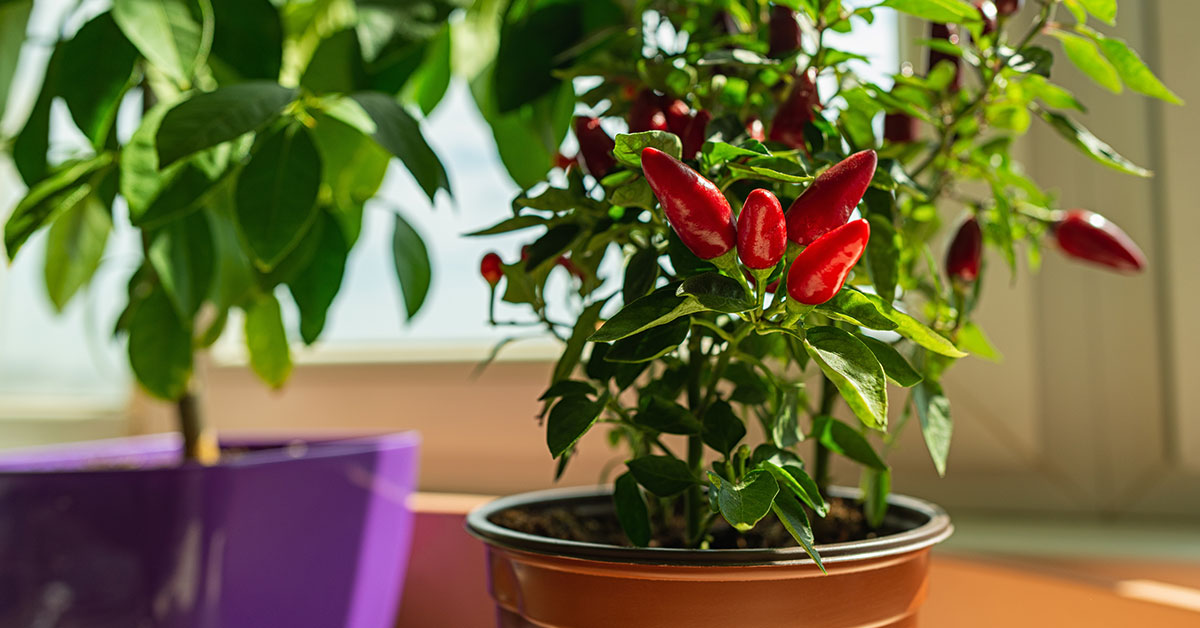

Growing pepper plants indoors can be a rewarding experience for any home gardener. Not only do you get to enjoy a fresh supply of peppers, but you can also have the satisfaction of growing your own food from the comfort of your own home. With the right environment and care, you can grow a variety of peppers indoors and enjoy their fruits all year long. We’ll discuss everything you need to know to successfully grow pepper plants indoors. From selecting the right variety of pepper to providing the right environment and care.
Why Do People Grow Pepper Plants Indoors?
Pepper plants are an easy and rewarding way to add color and flavor to your indoor garden. With the right conditions, peppers can be grown indoors year-round. Allowing you to enjoy homegrown vegetables and seasonings even in the dead of winter. Indoor pepper plants can also be aesthetically pleasing, adding a touch of greenery to any living space. From spicy jalapeños to sweet bell peppers, there are countless varieties of peppers that can be grown indoors with the right attention. Additionally, growing pepper plants indoors can benefit your health, your home, and your wallet.
Growing pepper plants indoors provides many advantages, such as convenience, a greater variety of peppers, and the ability to control the growing environment. Growing peppers indoors allows for year-round harvests, as peppers can be harvested at any time of the year. Regardless of what the weather outside looks like. Additionally, indoor pepper plants are easier to care for and maintain, requiring less water and sunlight than outdoor plants. Furthermore, growing peppers indoors allows gardeners to choose from a wide variety of peppers. As it is possible to grow both hot and sweet peppers in a single container. Finally, pepper plants grown indoors can be more easily monitored and maintained, with gardeners able to adjust the environment to optimize growth and flavor. For these reasons, many gardeners are now choosing to grow pepper plants indoors.
How To Grow Pepper Plants Indoors
Growing pepper plants indoors is a great way to add some spice to your home. Peppers are easy to grow indoors and can thrive with the right care and attention. Start off by getting a container with a drainage hole and filling it with potting soil. Add some fertilizer, then plant the pepper seeds or seedlings. Place them in a sunny spot and water them regularly. Make sure the soil doesn’t dry out but also don’t over-water. Prune the plants as they grow to keep them healthy and encourage more peppers to form.
Pruning pepper plants indoors is a great way to ensure they grow strong and healthy. To prune, start by carefully removing any dead or diseased stems and yellowed leaves with a pair of scissors or pruning shears. Next, trim off any stems or leaves that are overcrowding the main stem. This will allow more air and light to reach the inner parts of the plant. Finally, pinch off any new growth that is too weak or crowded to produce peppers. Pruning your pepper plants will help them produce more peppers and will also help keep the plant looking tidy and attractive.
Choosing The Right Fertilizer For Indoor Plants
When it comes to choosing the right fertilizer for growing pepper plants indoors, there are a few things to consider. First, you’ll want to find a fertilizer that is specifically formulated for indoor plants. Since these products have lower levels of nitrogen and higher levels of potassium and phosphorus, which are essential for pepper plant growth. Additionally, you’ll want to choose a fertilizer that offers a slow release of nutrients over a longer period of time. This will ensure that the pepper plants are receiving a steady supply of nutrients. Finally, you’ll want to select a fertilizer that is low in salts. Too much salt can damage the roots of the pepper plants. By taking these factors into consideration, you can rest assured that your pepper plants will be getting all the nutrients they need to thrive while indoors.
Choosing the right soil for growing pepper plants indoors is an important step to ensuring that your plants thrive. The ideal soil should be well-draining, but still retain moisture, such as a potting mix that has a combination of peat moss, compost, and perlite. It is important to find soil that has been fortified with nutrients, as pepper plants have higher nutrient requirements than other plants. Additionally, the soil should be light and fluffy to encourage root growth. Adding a slow-release fertilizer to the soil will help to ensure that your pepper plants have access to the essential nutrients they need to stay healthy.
Monitor For Pests And Diseases
When growing pepper plants indoors, it is important to check for pests and diseases regularly. Common pests to look out for are thrips, aphids, whiteflies, and spider mites. These pests can be controlled with insecticidal soap or organic solutions. Diseases can also be a problem for pepper plants, so check for signs of blight, rot, or wilting. To prevent diseases, it is important to provide adequate air circulation and to water only the roots of the plants. If a plant is infected, it should be removed immediately to prevent the spread of the disease. Regularly inspecting the plants for pests and diseases is an important part of growing pepper plants indoors.