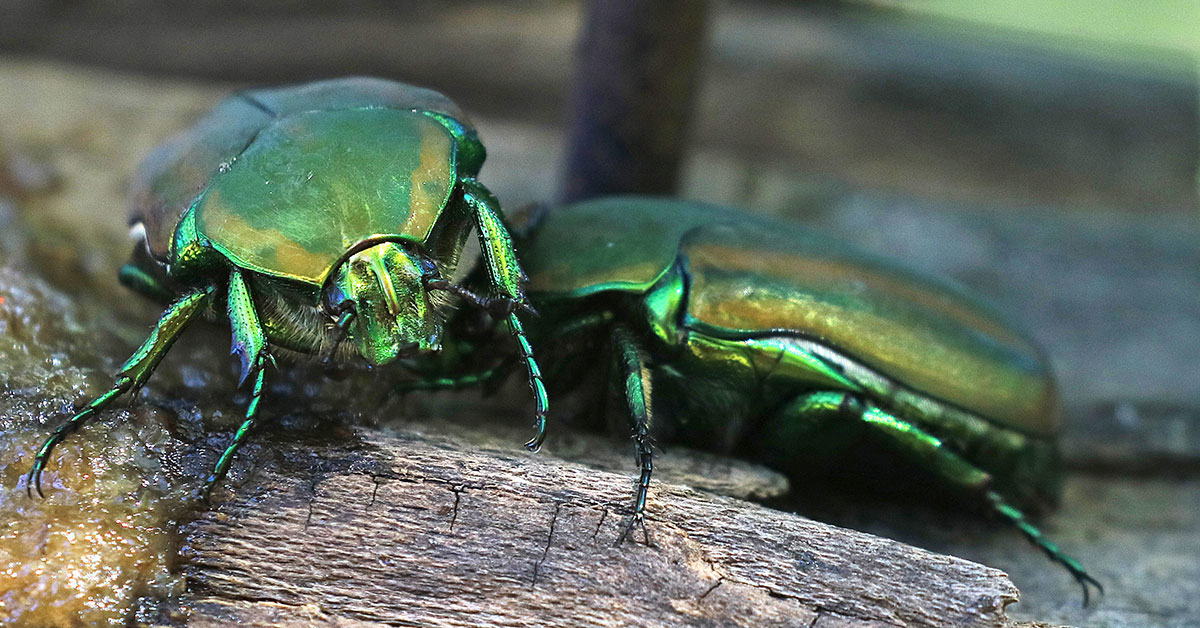

Fig beetles (Cotinis mutabilis), also known as Figeater Beetles, are large, metallic green beetles with bronze-colored wing covers and a light green underside. These beetles are approximately 1 inch in length and can be seen from late spring to fall in the western and southern United States. They are attracted to sweet fruits, such as figs, apricots, peaches, grapes, and pears.
Fig beetles can be a problem for people with sweet fruit trees because they can quickly damage ripe fruit in a short period of time. They are especially attracted to ripe fruit from sweet fruiting trees, like figs, and can easily cause extensive damage. They can also spread diseases and molds to the trees, which can further damage the crop.
Where do fig beetles live?
Fig beetles are native to tropical regions of the world, primarily in the Americas. They are found in Mexico, the Caribbean, Central America, South America, and the southern US states of Arizona, California, Florida, and Texas. Their range has been slowly expanding in recent years.
What are the signs of fig beetle damage?
Fig beetle damage to fruit can be identified in a few different ways. First, look for small holes in the skin of the fruit that are caused by adult fig beetles. These holes are usually round and have visible edges. Second, look for tunnels, or galleries, in the flesh of the fruit. These galleries, usually found in softer fruits like figs, will be small and winding, and may be filled with frass, or beetle droppings.
Third, look for larvae or grubs of the fig beetle in the soil near your fruit trees. These larvae are white or yellow and C-shaped, and can be found in the flesh of the fruit. Finally, look for white masses of eggs, which are laid by female fig beetles. These eggs will be laid in the soil and can easily be identified.
How to control and get rid of fig beetles
There are a few tactics you can deploy to control the damage caused by fig beetles. The most sure-fire way to prevent them from damaging your fruit is to protect them using some kind of netting or other barrier that the beetles can’t get through. Fig beetles are rather large insects, so a fine barrier should keep them out. Additionally, be prompt with your picking of ripe fruit. Fig beetles love slightly overripe, sweet fruit the most. Being sure to pick the fruit when they’re ripe is one of the best ways to prevent damage.
You can also go on the offensive and pick off and kill any fig beetles that you find. Their larva grow in the soil, so if you find any while digging in your garden, quickly dispose of them. If you have a flock of chickens, they’ll take care of the disposal for you.
Finally, you can set up a fig beetle trap by mixing a 1:1 mixture of water and fruit juice like grape or apple juice. Fill a 1-gallon container with the bait and hang it in your tree. A milk carton should work fine. It’s best to deploy at least 2 of these traps. The beetles will be attracted by the sweetness and won’t be able to escape the container.