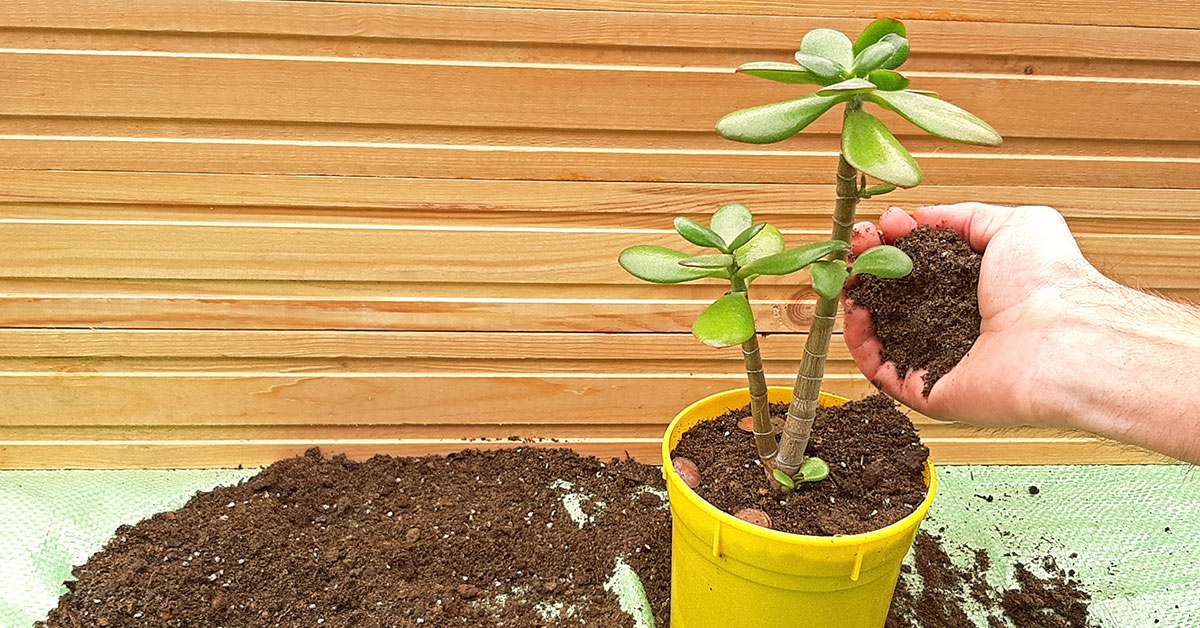

Repotting a jade plant is a great way to revive a struggling plant or to give a healthy jade plant room to grow. It is a fairly straightforward process, but there are a few key steps to follow to ensure that your jade plant has the best chance of thriving after the repotting. In this article, we will provide an introduction to repotting a jade plant, including information on what supplies you will need, how to prepare the plant for repotting, and how to repot the jade plant correctly.
Why gardeners love jade plants
Jade plants are a popular choice for houseplants because of their hardiness and attractive appearance. They are easy to care for and require minimal maintenance. Jade plants are also known for their long-lasting and lush foliage, making them a great choice for adding a pop of color to any space. They are also believed to bring good luck, making them a great addition to any home. Additionally, their air-purifying abilities can help reduce indoor air pollution. With this plant’s easy-care nature and many benefits, it’s no wonder why so many people choose to grow jade plants in their homes.
Jade plants are popular houseplants because they are easy to care for, require minimal maintenance, and live for many years. Repotting a jade plant is important because it helps the plant to stay healthy and vibrant. By repotting, the plant can access more nutrients and grow larger. It also helps prevent diseases and pests from settling in the soil. Repotting a jade plant every few years can also help to reduce the accumulation of old soil, which can cause root rot. All of these advantages make repotting a jade plant an important part of keeping it healthy and happy.
How To Repot A Jade Plant
Repotting jade plants is an easy, but important process to keep the plants healthy and thriving. Start by preparing a new pot with fresh soil and a drainage hole. Next, carefully remove the jade plant from its old pot, gently shaking off any old soil. Place the plant in the new pot and fill in around the plant with fresh soil, gently pressing the soil down to ensure adequate contact between the plant and the soil.
Provide support to the plant as needed, and water the plant thoroughly. Place the jade plant in a location with bright light, and avoid over-watering. Monitor the soil moisture and water when the top inch or two of the soil is dry. Repotting your jade plant every two to three years, or when the roots start to become crowded, will help keep the plant healthy and looking its best.
It’s not uncommon for a jade to lose leaves or a branch or two during the repotting process. The good news is: you can use these pieces to start a new jade plant!
How To Repot A Jade Plant With Multiple Branches
Jade plants are one of the most popular house plants and can easily be divided for repotting. To divide a jade plant, start by carefully removing it from the pot. Gently loosen the root ball and look for natural divisions in the root system. If there are no natural divisions, use a clean and sharp knife to carefully separate the root ball into two or more sections. Make sure each section has a healthy root system. Once divided, replant each section into separate pots with fresh, well-draining potting soil. Water the plants thoroughly and place in a bright, indirect light location. With proper care, your new jade plants should thrive!
Aftercare Needed For Repotted Jade Plants
After repotting a jade plant, it is important to give it proper care in order to ensure its health. After repotting, the soil should be kept evenly moist and the plant should be kept in a location with indirect sunlight. Fertilizer should be applied every two to three weeks during the growing season with a balanced liquid fertilizer. Additionally, it is important to prune the jade plant to keep it under control and to remove any dead or diseased leaves. Regularly checking the soil for moisture levels and monitoring the growth of the plant are also important steps in proper aftercare for repotted jade plants.
Pruning repotted jade plant is an important part of keeping them healthy. Pruning can help promote healthy growth, remove dead or dying leaves, and shape the plant to your desired look. To prune your repotted jade plant, first, inspect the stems and leaves for any dead or dying material. Clip off any dead or dying material with clean, sharp scissors or pruning shears. Next, consider the shape of the jade plant. If you’d like it to have a more contained and rounded shape, you can trim off any branches that are growing out of the desired shape. Lastly, remove any old leaves that have accumulated at the bottom of the plant. This will help keep the plant looking tidy and will help reduce the risk of disease.
How To Manage Jade Plant Pests And Diseases
Repotted jade plants are relatively easy to maintain, but preventative pest control is important. To prevent pests, inspect the plant and its potting soil before repotting. If the soil looks damp or moldy, discard it and start with a new potting mix. Additionally, avoid overwatering the jade plant, as this can make it more susceptible to pests. Prune away any dead or damaged leaves, as these can provide a home for pests. Finally, inspect the plant regularly for signs of pests, such as webbing or small insects. Treat any visible pests with insecticidal soap, and if the infestation becomes too large, it may be necessary to discard the plant.