
Repotting ferns is a great way to give them a fresh start and promote healthy growth. It can be intimidating, especially if you’ve never done it before. But don’t worry! In this article, we’ll provide you with a step-by-step guide on how to repot ferns. We’ll also provide tips for keeping your ferns healthy and happy. With the right knowledge and care, you can keep your ferns looking beautiful for years to come.
Before You Repot Ferns
When it comes to repotting ferns, it’s important to take certain steps to ensure the health and longevity of the plant. First, it’s important to choose a pot that is slightly larger than the current pot, as the fern will need more room to grow. The pot should also have drainage holes, as ferns need to stay moist but not be overwatered. When it comes to potting soil, a mixture of equal parts peat moss, compost, and perlite works best. It’s important to also give the pot a good soaking before planting, as this will help the soil to hold moisture. Finally, take care not to damage the root system or disturb the soil when transferring the fern to its new home.
Ferns should be repotted when their roots have filled the pot or when their growth begins to slow and become stunted. Generally, this will take place once a year or every other year. It is best to repot ferns in the spring when they are at the beginning of their growth cycle. When repotting, use a pot that is only slightly larger than the current one, and make sure to use well-draining soil. Avoid over-watering the fern during the repotting process and be sure to lightly water it afterward.
How To Repot Ferns
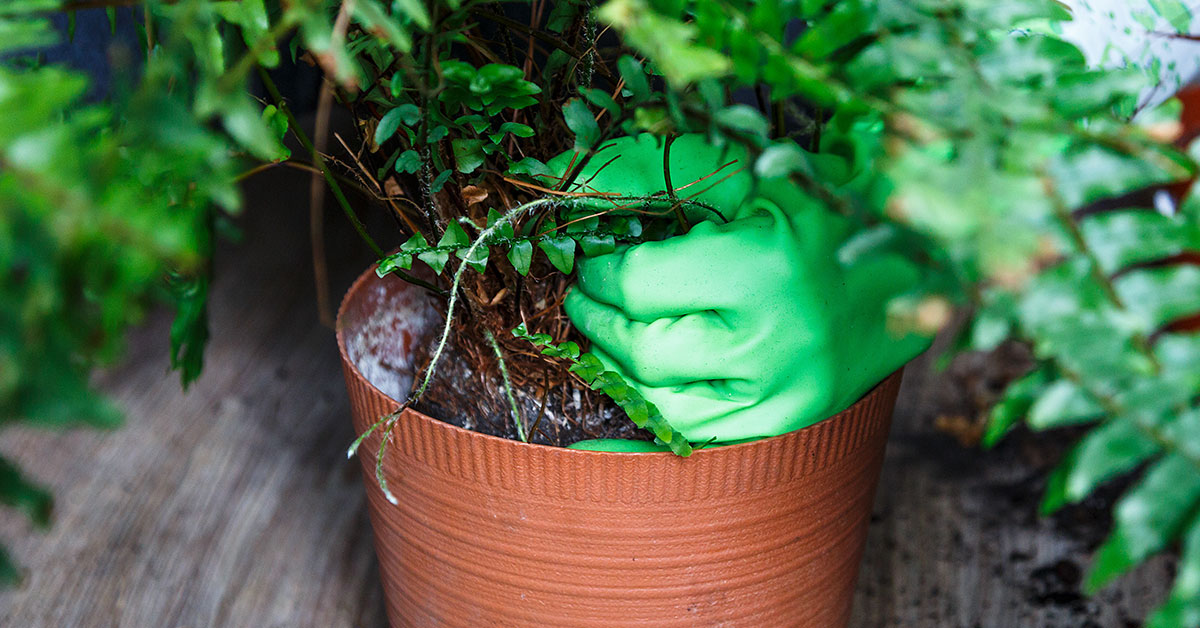
Repotting ferns is a simple yet important step in keeping them healthy and happy. First, take the fern out of its pot, being careful not to damage the roots. Then, remove any dead or dying leaves and trim off any damaged roots. Place the fern in a pot that is about 30% larger than its original container, making sure the pot has drainage holes. Fill the pot with lightweight potting soil that is tailored for ferns and water it to moisten the soil. Place the fern in the pot, making sure to evenly spread the roots. Add more soil to the pot and press it down around the roots. Finally, water the fern thoroughly and place it in a shaded area.
Once repotted, you should place your fern back in its original location. Remember that most varieties of fern prefer bright indirect light, so it should not be placed in a spot that receives direct sunlight. It should also be placed away from air vents, heaters, and air conditioners. A good spot for a fern would be in a corner of a room that receives indirect light. It can also be placed on a shelf or table near a window. Placing your fern back in its original location will prevent any additional shock.
Aftercare For Repotted Ferns
After repotting, ferns require proper aftercare to ensure healthy growth. Water the fern immediately after repotting and continue to provide adequate moisture, ensuring that the soil is moist but not soggy. Place the fern in a bright, indirect light location, such as a north or east-facing window. Avoid direct sunlight, as this can cause the fern leaves to burn.
Monitor the soil moisture and water when the top two inches of soil begin to feel dry. Fertilize the fern once a month during the growing season with a balanced liquid fertilizer. Finally, mist the fern leaves daily to keep them hydrated and dust-free. By following these aftercare instructions, your fern should thrive and remain healthy.
How To Prune Ferns After Repotting
Pruning ferns is an important part of keeping them healthy and looking their best. To prune a fern after repotting it, start by removing any dead, discolored, or damaged fronds. Use sharp shears to trim the fronds back to the desired length. Be sure to cut just above the “crown” of the fern, which is the area where the frond and the soil meet. When pruning, don’t remove more than a third of the fronds, as this can shock the plant. Lastly, remove any weeds or debris from around the base of the fern and fertilize with a balanced 10-10-10 fertilizer. With a little effort, you can keep your ferns looking their best!