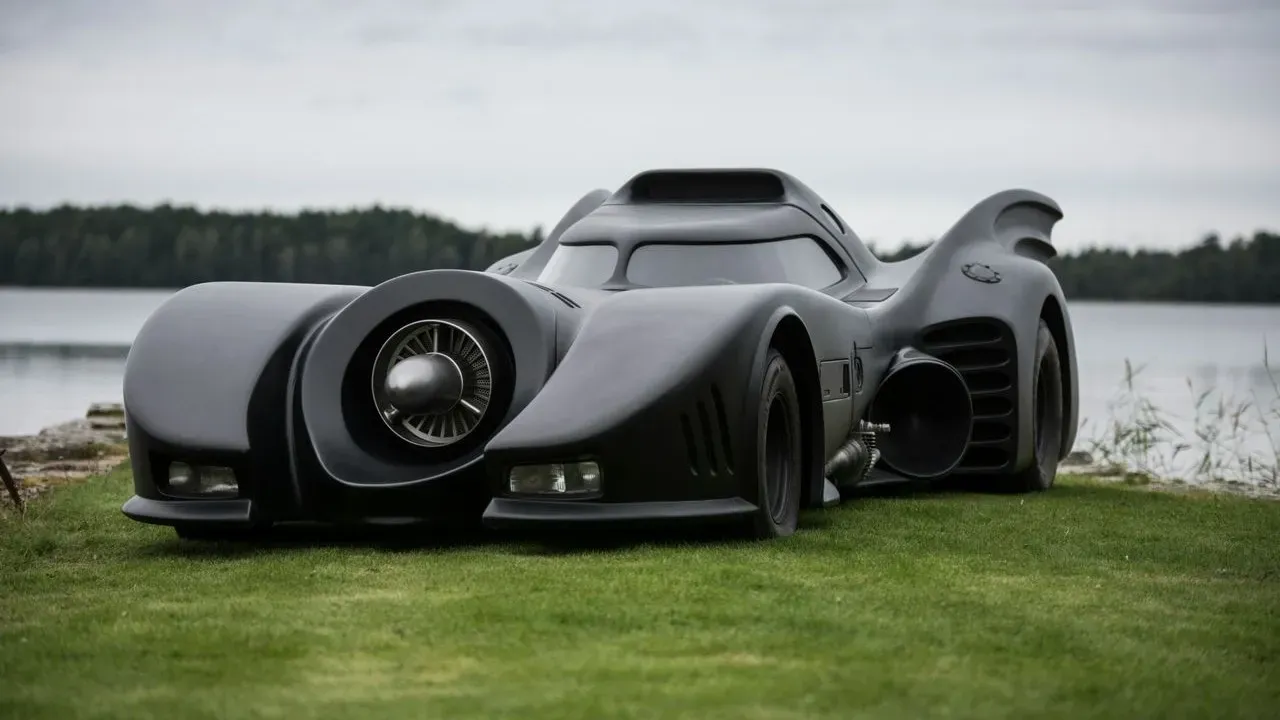

Gardena, California – The Batmobile from Tim Burton’s 1992 hit Batman Returns went unsold on Monday, November 23, after bidding stopped well short of the seller’s target. The car carried a pre-auction estimate of $5 million to $7 million, yet the top bid reached only $3.25 million. Under the terms of the sale, the reserve, which is the seller’s confidential minimum, was not met, so the car did not change hands. The original report on the result is available at ([1]).
A Gap Between Estimate and Bids
The auction house had hoped the vehicle would overtake the Batmobile sale record. In 2013, a car driven by Adam West in the 1960s television series sold for $4.6 million including fees. That benchmark made the $5 million to $7 million estimate look ambitious but not unreasonable, given the car’s screen history.
Instead, the bidding never came close to the low end of the range. The table below compares the figures that defined the outcome.
| Measure | Amount |
|---|---|
| Pre-auction estimate | $5 million to $7 million |
| Top bid, Monday’s sale | $3.25 million |
| 2013 record for an auctioned Batmobile | $4.6 million |
The seller has chosen to remain anonymous, and the auction house has not said whether the car will return to the market. Because the reserve was not met, the seller kept ownership of the vehicle.
Why the Car Drew Attention
The vehicle is one of three custom-made Batmobiles built for the film. Collectors often call it the “Number One Hero car” because it appeared in most of the movie’s driving sequences. It still has its original paint, a Chevrolet V-8 engine, and a radio-controlled flaming exhaust system that Michael Keaton’s Batman used to torch one of the Penguin’s circus goons.
Its frame reportedly combines two Chevrolet Impala chassis, a detail that reflects how the film’s producers assembled the sleek, jet-like design on a practical basis. ([2])Those features gave the car a strong claim to authenticity, which made the weak bidding more notable for film-memorabilia watchers.
Limits That Came With the Sale
Buyers would not have received a car they could simply drive off the lot. The auction house described several restrictions that would have shaped ownership:
- The vehicle is not street legal, and its engine and transmission have been tested only a limited number of times since filming ended.
- Exhibiting it at special events would require approval, and it must remain stationary when shown to the public.
- An agreement with Warner Bros. Consumer Products, which manages DC Comics’ intellectual property, would have imposed additional rules on any buyer. ([3])
For a buyer hoping to take the car onto public roads, those conditions were likely a serious consideration. Even so, they did not fully explain the gap between the estimate and the final bid.
What the Result Signals
Observers offered several explanations. One report suggested that current economic conditions or the crowded market for superhero media could have affected demand, though it noted that the reason for the shortfall remained unclear. ([4])Another view holds that the car’s failure to reach its reserve suggests the market for film-used custom vehicles may not support the premium prices set by the 2013 sale.
Still, the $3.25 million bid itself suggests strong interest. Even a result below expectations places the car among the most valuable pieces of Batman film history. The episode also reminds sellers and buyers that an estimate does not guarantee a sale, particularly for one-of-a-kind vehicles.
AI Disclaimer: This article was created with the assistance of AI tools and reviewed by a human editor.