
On a Wednesday morning in Middletown, Iowa, the Army destroyed a stockpile of degrading lead azide at the Iowa Army Ammunition Plant, and nearby communities began asking what might have drifted into the air, soil and rivers. Three days later, the Environmental Protection Agency reported its first water results, which show no lead increase in the sources that supply drinking water. The sampling continues, and the agency says more lab results are still on the way. ([1])
First water results come back clean
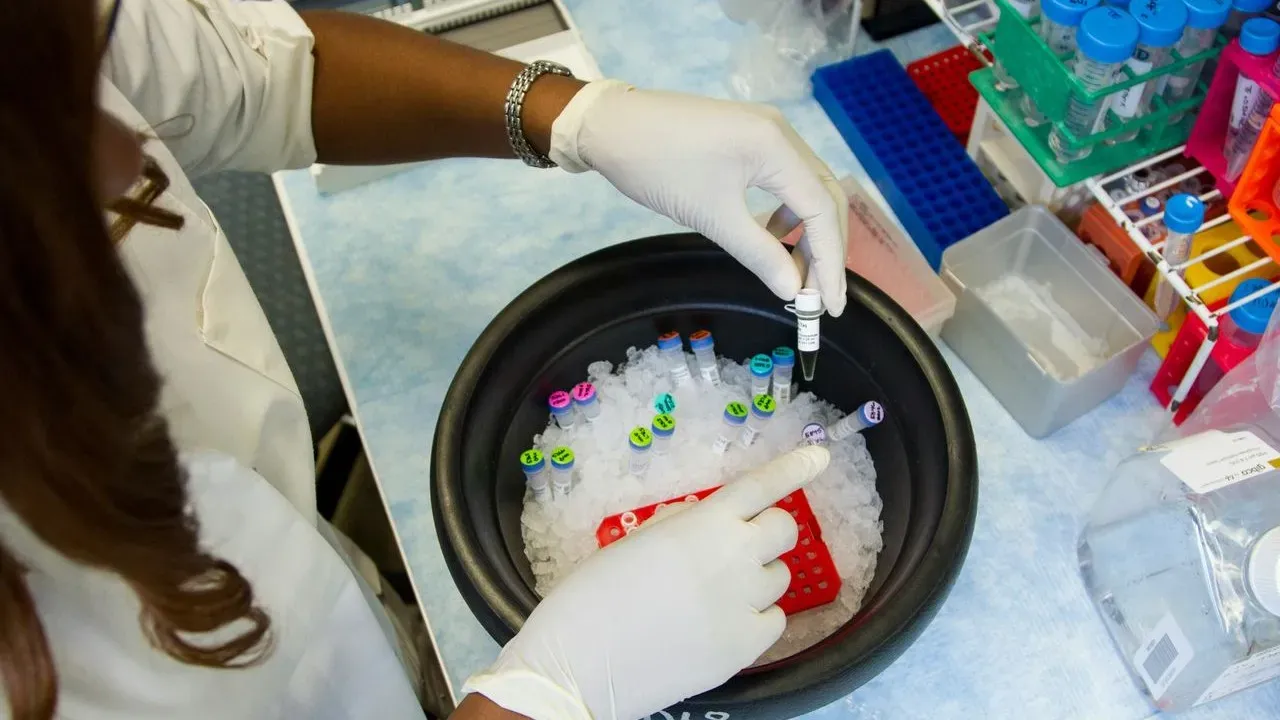
The EPA announced early Saturday that it found no lead in 38 water samples taken after the blast at public water supplies. Those samples included finished drinking water and untreated water drawn at the intake. ([2])
The agency’s broader conclusion is that the detonation did not lead to higher lead levels in water bodies that serve as drinking water sources. That finding rests on a comparison with a baseline. Before the detonation, the EPA sampled 35 drinking water sources across Iowa, Illinois and Missouri, and it recorded low lead levels at four of those locations. Officials have framed the post-blast results as a measure against that earlier snapshot. ([2])
Where the teams looked
The sampling effort reached well beyond the plant fence line. The EPA’s post-detonation work covered a wide mix of places, and the agency has said it sampled homes, public parks with playgrounds, and every drinking water intake in its pre-detonation plume model. Crews also collected samples from nearby farms and from the Mississippi River watershed, working with the U.S. Department of Agriculture. ([3])
- More than 130 structures that were sampled before the blast were sampled again afterward, including homes, schools, daycare centers and churches.
- Public parks with playgrounds were tested for lead in soil and dust.
- Drinking water intakes across the plume model were sampled, with two rounds completed on the day after the detonation.
- Nearby farms were tested before and after the detonation.
Later updates from the agency put the count of sampled structures at more than 180, a figure that includes sites beyond the original 130. The EPA also said that more than 1,600 air, water, soil and dust samples had been gathered in the days after the blast. ([4])
Air and dust readings give a similar picture
Air monitoring has so far shown no airborne lead. The EPA said zero detection of lead was recorded near the plant about 30 minutes after the explosion, and that the result held through testing performed hours later. The agency concluded its air testing after 30 hours without detecting lead. ([4])
Surface contamination was another concern. Federal law sets limits for lead on windowsills and floors, and the EPA and Army were checking surfaces near the detonation zone against those thresholds. In its measurements so far, the EPA has not reported lead dust above those levels. ([5])
What the results cover so far
- Public water supplies: no lead detected in 38 post-detonation samples
- Airborne lead: none detected in real-time monitors since the blast
- Lead dust: no levels above the thresholds reported so far
- Full lab results: more than 3,200 samples still being validated
Why experts want more data
The Army’s commander, Major General Eric Shirley, said the destruction of the stockpile exceeded expectations, and the government has described the early laboratory results in similar terms. Outside experts, however, have urged caution. They point out that the first set of water results is a single data point, and that more testing is needed before the picture is complete. ([4])
The EPA has said it will post results as they are validated, and it has promised updates in the coming days. Lab results for the full set of more than 3,200 air, soil, dust and water samples, both before and after the blast, are expected to arrive gradually. Residents who want to follow the data can check the agency’s public Iowa data page as new numbers are posted. For now, the water findings give local officials and families a clear starting point, though not the final word.
AI Disclaimer: This article was created with the assistance of AI tools and reviewed by a human editor.