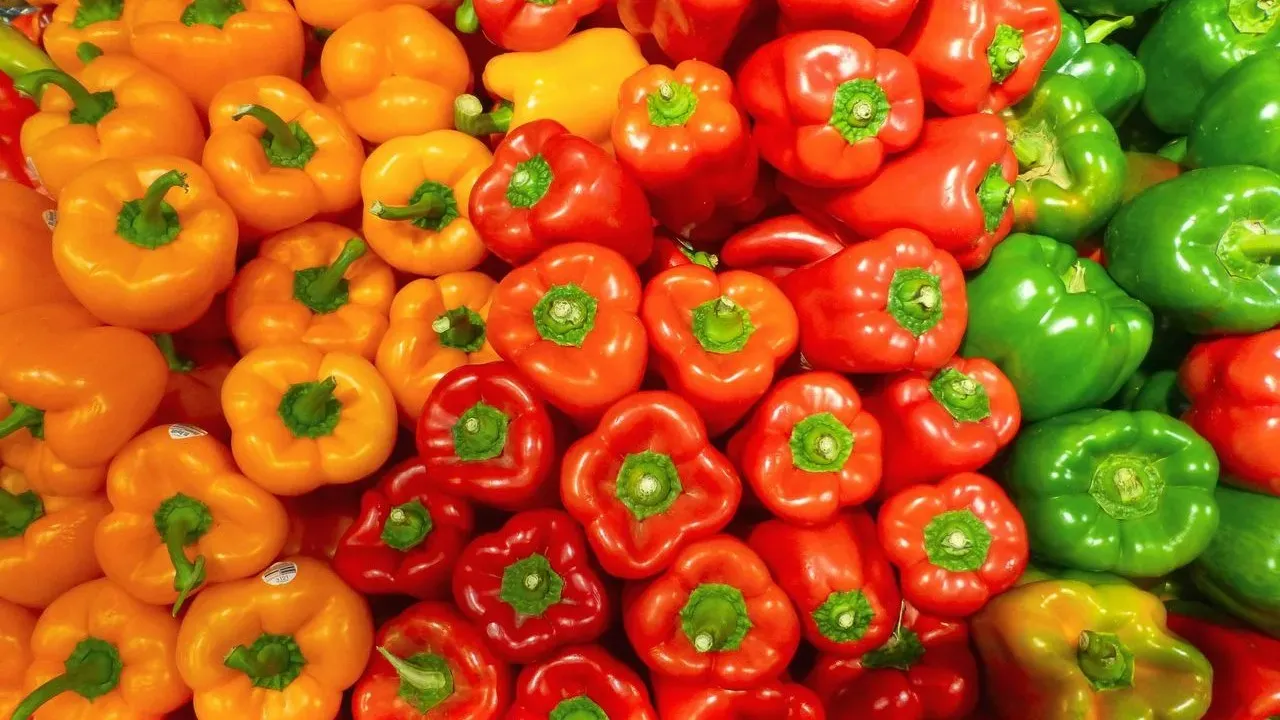

A New York Times feature describes a Serbian town fighting to protect a pepper and a tradition that has shaped local life for centuries ([1]). Other accounts point to Donja Lokošnica, a village in southern Serbia that calls itself the paprika capital of the world. The question now is how long a community so tightly bound to one crop can keep that identity intact.
A village where nearly every household grows peppers
Local growers call the crop “red gold,” and nearly all inhabitants take part in producing it. ([3])The village sits somewhere between Niš and Leskovac, and the Južna Morava river allows irrigation, while the south continental climate suits red peppers well. ([7])
The scale of the operation is considerable. A figure published by Getty Images describes about 250 hectares of land and roughly 500 tons of ground peppers produced annually, though depopulation has decreased the number of homes taking part in the tradition. ([6])Sources also differ on the village’s population, with one travel account citing about 800 people living here at the moment, the majority of them elderly ([4]), while another puts it at around 1,300 residents ([3]).
The crop’s roots reach well beyond the village. Peppers were introduced to Serbia in the 1600s and became a staple, and paprika is now a major export product. ([5])
Harvest season turns the village red
The calendar of the village follows the plant. Starting in late August and well into September, locals ride tractors to fields on the other side of the Južna Morava river. ([7])Once picked, the peppers are strung and hung on house walls and fences to dry in open air. The peak comes in October, when countless crimson peppers hang from façades, transforming the village’s nondescript houses. ([3])
The harvest also has a social side. Residents mark the end of the season with a festival in which many competitions in baking, peeling and preparing dishes with pepper are held. ([2])The most closely watched contest is stringing. Using a large needle and hard thread, competitors string more than a hundred peppers in a single minute. ([2])Awards also go to the best producers each year.
Pressures that threaten the tradition
The village’s pepper economy faces several pressures, and they are interconnected. Local producers have raised concerns about cheaper products that undercut them, and the response has been a practical one.
- Lower-priced imitations: sellers who mix ground pepper with flour and other additives give the residents trouble in the market through lower prices. ([2])
- Population decline: young people have left the village in search of better employment, leaving the trade in the hands of the older generation. ([4])
- Knowledge transfer: the intricate knowledge and skills required are traditionally passed down through generations, which leaves the future of pepper cultivation uncertain. ([3])
Residents have answered the first problem by labelling their products. Residents of this village near Leskovac have addressed the issue by labelling the smashed pepper. ([2])The other two pressures are harder to solve with packaging.
What matters now
The village is defined by one crop that most households still grow, dry and sell. Its strength is also its vulnerability, because a shrinking workforce and fading knowledge could weaken a system that has lasted for generations.
Whether the tradition endures will depend on the people who remain, the younger residents who might take up the work, and the buyers willing to pay for authentic product. The fight described in the New York Times piece is, in essence, a fight over who will carry the tradition forward. For a village that has spent centuries turning its streets red each autumn, that question carries as much weight as the harvest itself.
AI Disclaimer: This article was created with the assistance of AI tools and reviewed by a human editor.