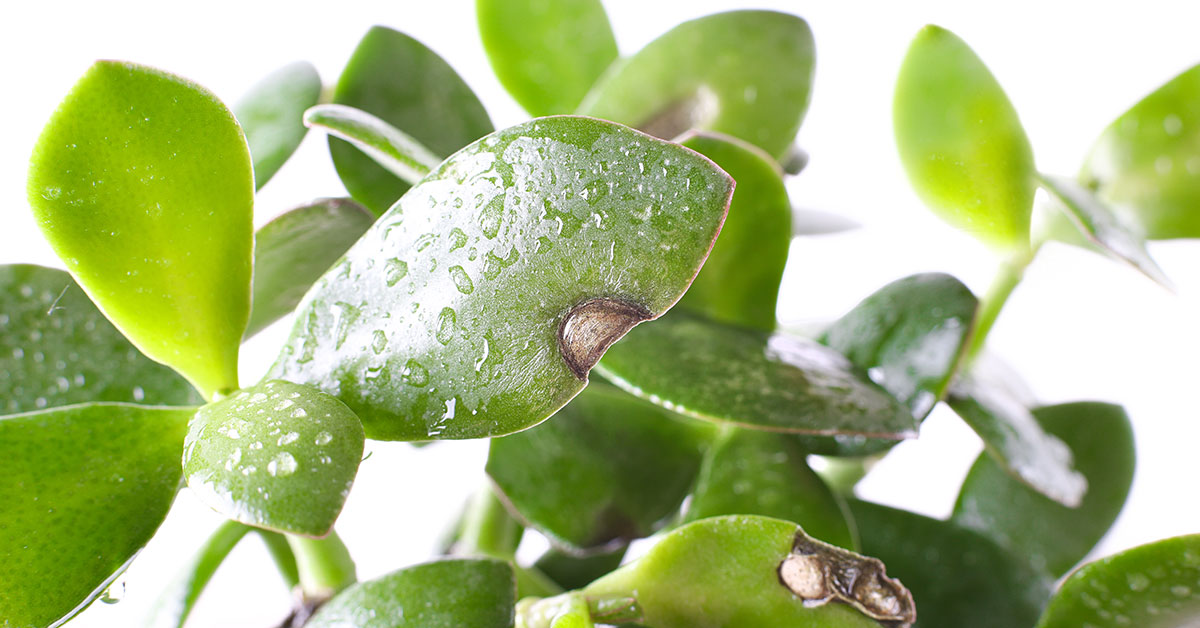

Having a jade plant in your home can be a great way to add some green to your living space. Jade plants are also known for their hardy nature and are relatively easy to care for. Jade plants are popular houseplants that are known for their glossy, evergreen leaves and bright pink or white flowers. However, when caring for a jade plant, you may notice small, black spots on the leaves. These spots can be caused by a variety of environmental factors, including too much light, too little humidity, or pest infestation. In this article, we will explore the causes of black spots on jade plants and how to best care for them to prevent the issue from arising.
How To Prevent Black Spots On Jade Plant
Jade plants (Crassula ovata) are popular houseplants that are relatively easy to care for. However, one common problem with jade plants is black spots appearing on the leaves. To prevent this, it is important to provide the plant with the right amount of light and water. Jade plants prefer bright, indirect light and should be watered thoroughly when the soil is dry to the touch. Overwatering can cause root rot and lead to black spots on the leaves.
Additionally, jade plants should be fertilized every two to three months with a balanced fertilizer diluted to half-strength. Keeping the plant in a humid environment is also important, as dry air can cause brown spots to appear. Finally, it is important to regularly clean the leaves with a damp cloth to remove dust and other debris that can prevent the plant from getting adequate sunlight.
Keep Reading: Why Your Jade Plant Leaves Are Wrinkled
Proper Care For Your Jade Plant
To prevent black spots on jade plants, it is important to provide the plant with proper care and maintenance. This includes ensuring the plant is getting adequate light, water, and nutrients. Additionally, it is important to keep the plant in a well-ventilated space and to avoid overwatering or underwatering the plant. Finally, it is important to regularly check for any signs of pests or diseases and to promptly treat any infestations or infections.
Providing the right type of soil is also a key element to ensuring the health of your jade plant. The ideal soil for a jade plant should be well-draining, light, and slightly acidic. A good potting mix for jade plants will contain equal parts of sandy loam, peat moss, and perlite. Additionally, you may want to add a bit of compost or other organic material to the soil to ensure that your jade plant is receiving all the nutrients it needs.
Pests Found On Jade Plant
Unfortunately, these plants can sometimes become infested with pests such as mealybugs, spider mites, and scale. To prevent pest infestations, it’s important to inspect jade plants regularly, particularly the undersides of the leaves. If pests are found, it’s best to start with a mild solution such as spraying the plant with a mix of insecticidal soap and neem oil. If the infestation is more severe, a stronger insecticide may be necessary. It’s also important to remove any dead or damaged leaves, as this can help to reduce the number of pests in the area. Lastly, be sure to keep the plant clean and free of debris, as this can attract pests.