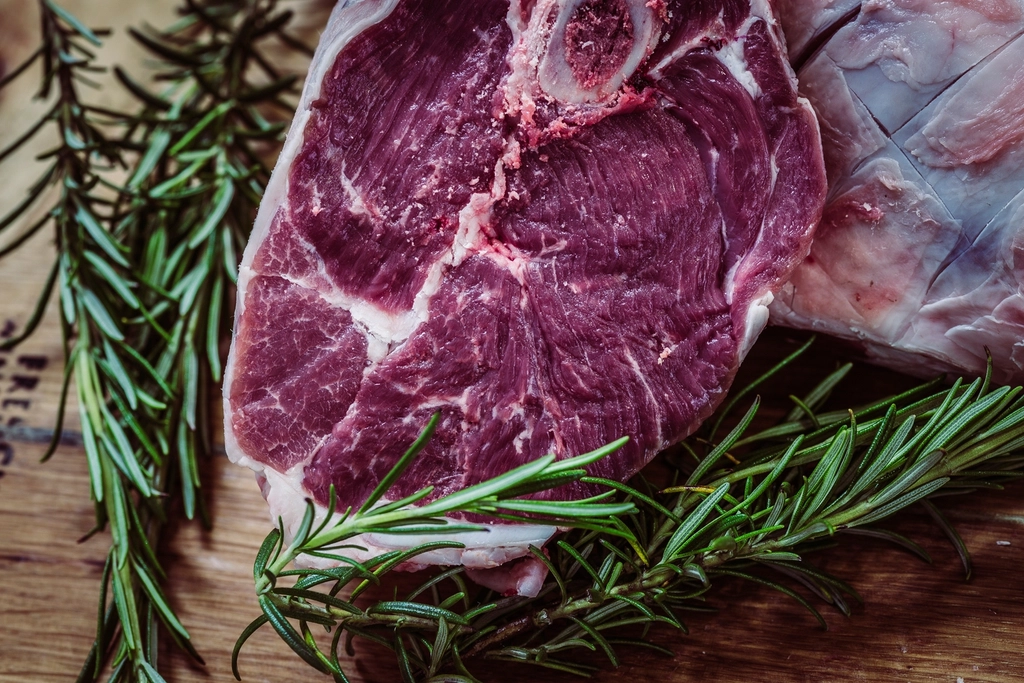

A Native Plant of the Holy Land
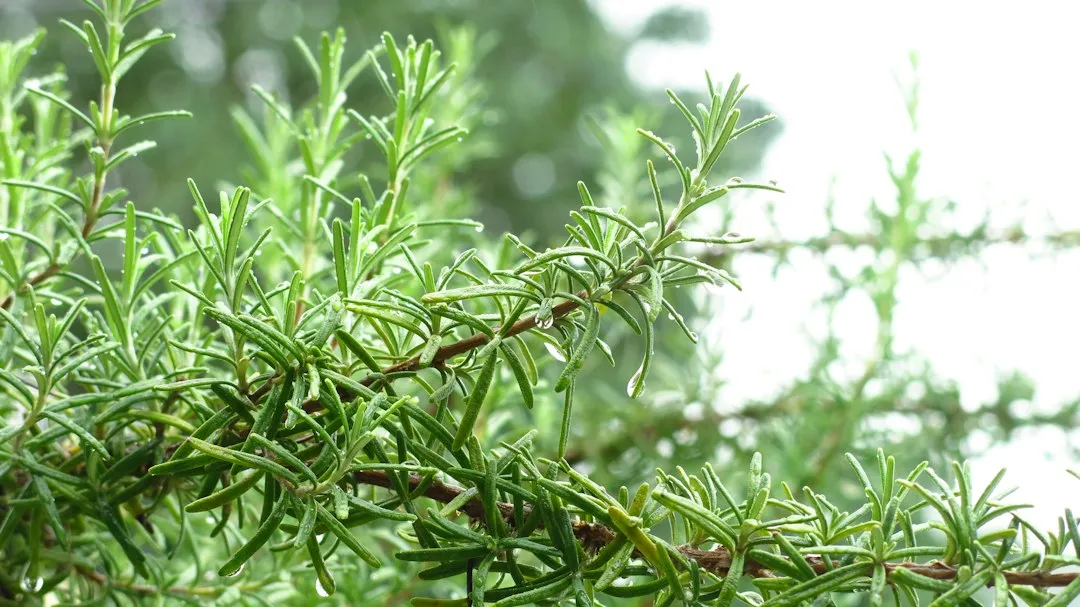
Rosemary is steeped in Christmas tradition and would have been a native plant in the Middle East two thousand years ago. Its presence in the landscapes of ancient Palestine meant it was already intertwined with the geography of the Nativity story before any formal tradition was established.
Herbs have been valued for thousands of years, and it is no surprise they were commonly used during the time of Jesus, as they were common in Mediterranean landscapes. Rosemary would have been a familiar, everyday plant to the people of that era.
The Ancient Name: Dew of the Sea
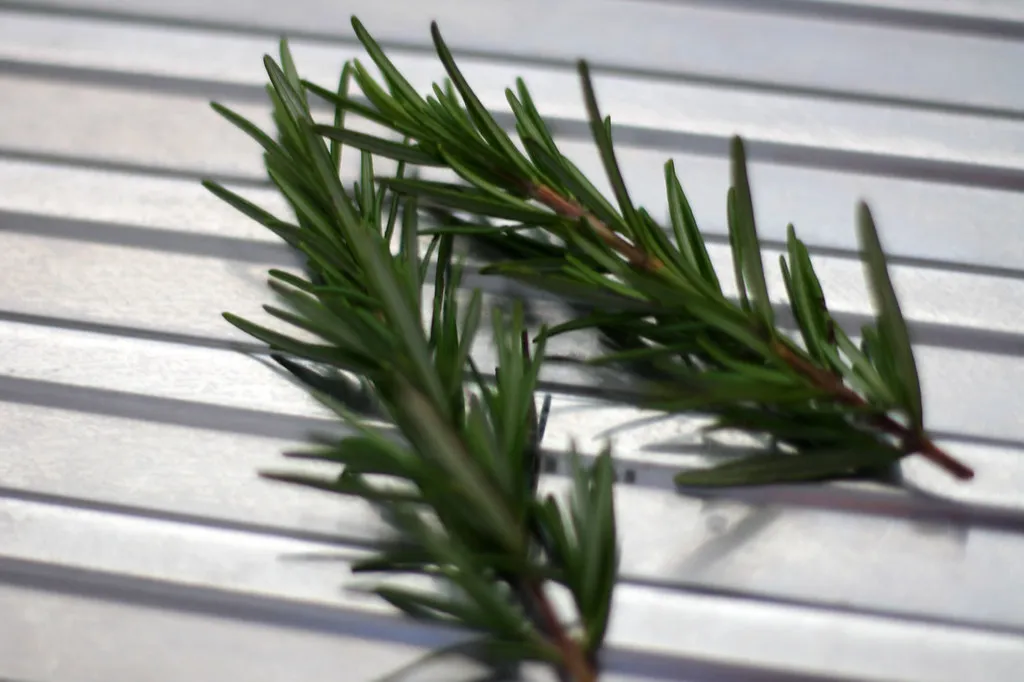
Rosemary is native to the coast of the Mediterranean, giving rise to its scientific name, which romantically translates to “dew of the sea.” That evocative name alone tells you something about how early cultures perceived the plant: poetic, almost mystical, and deeply tied to the natural world.
Rosemary has been known in ancient folklore as Dew of the Sea, Rose of Mary, Rosa Marina, and Compass Weed. These names accumulated over centuries, each one reflecting a different layer of meaning attached to the herb across different cultures and time periods.
Revered by Greeks and Romans Long Before Christmas
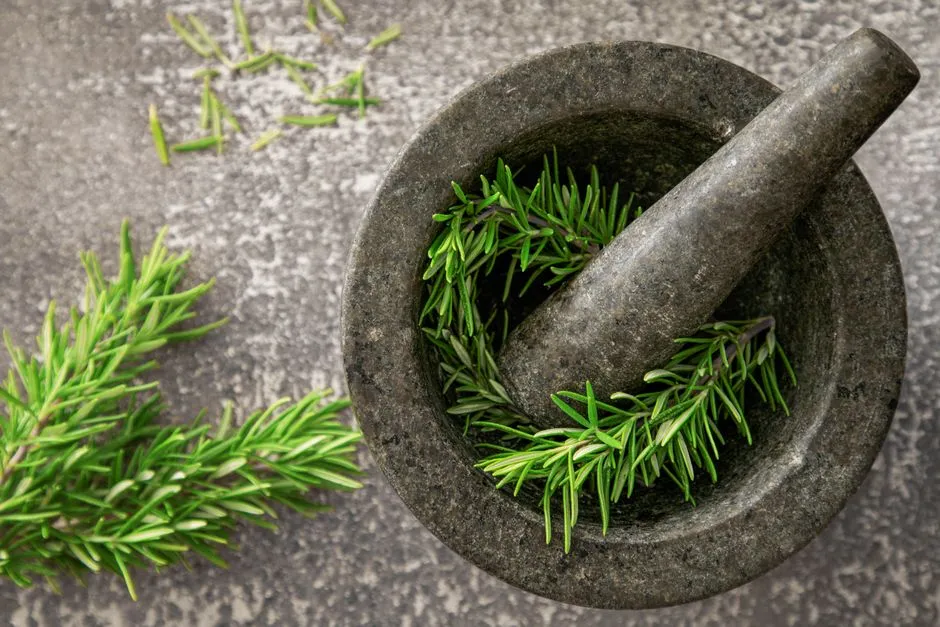
Both the ancient Romans and Greeks believed rosemary harboured protective healing and mystical powers against evil spirits. This deep reverence gave the plant a sacred status that would later make it easy for early Christians to fold into their own traditions.
In ancient Greece and Rome, rosemary was associated with memory and used to improve cognitive function. Ancient Greek students consumed rosemary to improve memory and focus and wore rosemary garlands on their heads and around their necks when studying for examinations.
Pliny, writing in ancient Rome, listed many medicinal uses of rosemary, from healing wounds and hemorrhoids to curing jaundice and sharpening eyesight. Such a range of claimed benefits made it one of the most valued herbs of the ancient world, long before it found its way to a Christmas altar.
The Virgin Mary and the Blue Flowers
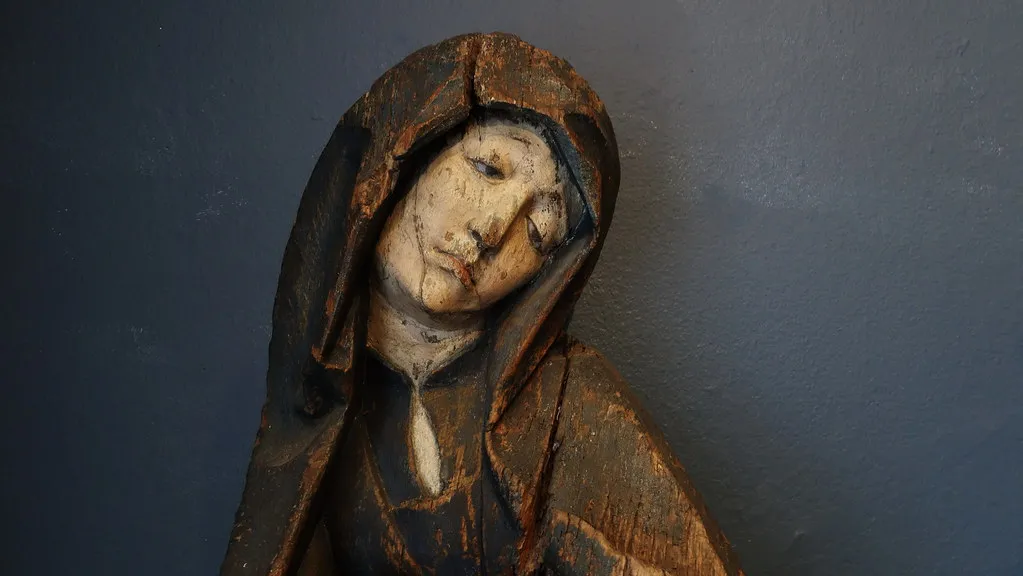
One legend claims the flowers were originally white, only changing to blue when Mary, on the flight from Egypt, threw her blue cloak over a bush, changing its color at the same time as giving it its distinctive fragrance. This is perhaps the most enduring and widely told legend behind rosemary’s sacred status.
A variation of this legend says when the Holy Family fled to Egypt, they stopped to rest on a hillside by a little stream where Mary washed the baby’s clothes. For its humble service, the plant was named rosemary, and God rewarded it with delicate blossoms of the same heavenly blue as Mary’s robe.
In Christian tradition, rosemary is also associated with the Virgin Mary, who is said to have draped her blue cloak over a rosemary bush, making it a symbol of faith and purity. From that moment on, the plant carried a Marian significance that naturally connected it to Christmas.
The Manger Legend and Joseph’s Role
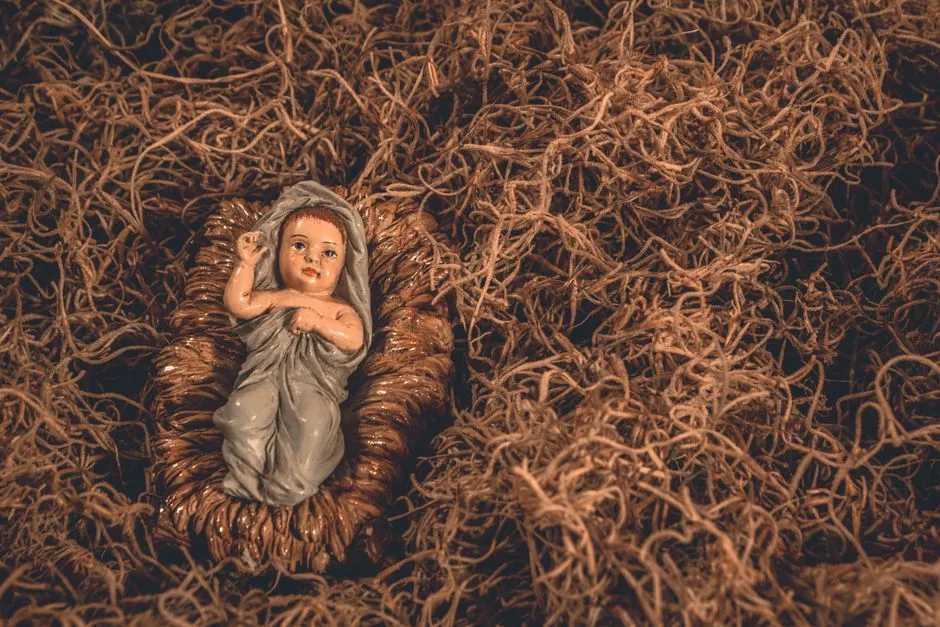
Known as the “Rose of the Virgin Mary,” rosemary was often used in homes to repel insects. According to herbal lore, Joseph scattered rosemary in the hay of the manger to protect the baby Jesus from pests. This detail, though rooted in folklore rather than scripture, deepened the plant’s association with the Nativity scene itself.
According to Christian legend, rosemary was one of the herbs that lined the manger in which Jesus was born. Such stories helped ordinary people feel a living, tangible connection between a familiar garden herb and one of the most sacred events in their faith.
The Christmas Eve Miracle
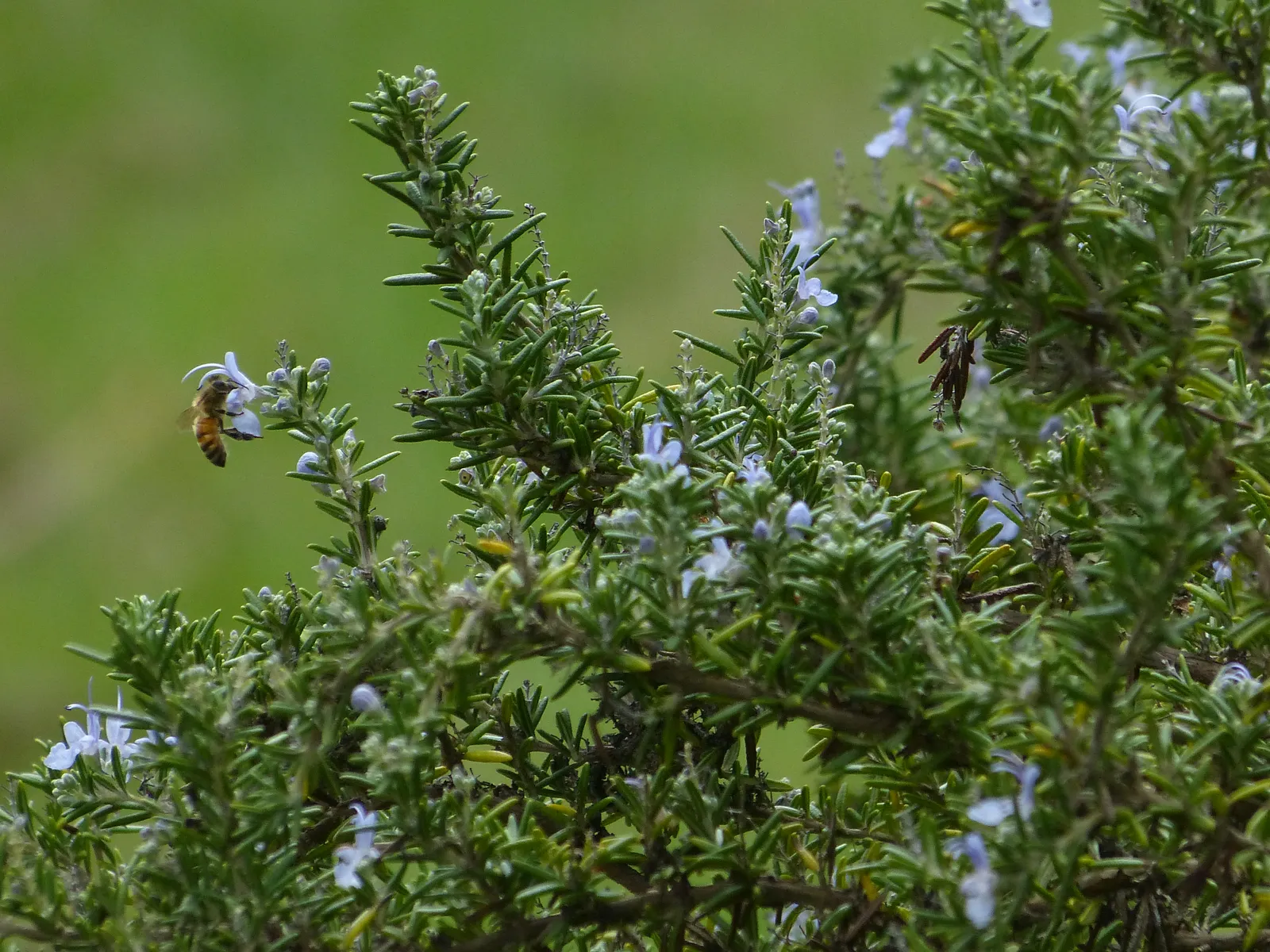
It is said that on Midnight Christmas Eve, the plant miraculously bloomed out of season. Its usual white flowers turned blue, and its fragrance was said to have come from Mary draping the Christ Child’s bedclothes over the bush. This overnight flowering miracle gave rosemary a kind of seasonal magic that felt perfectly suited to Christmas.
Tradition also says that the rosemary bloomed when the Baby Jesus was presented to the Three Wise Men on the Epiphany, and it is true that rosemary often blooms in late winter or early spring. The plant’s natural flowering cycle, conveniently timed to the Christmas season, only reinforced belief in the legend.
Scattered on the Floor at Christmas
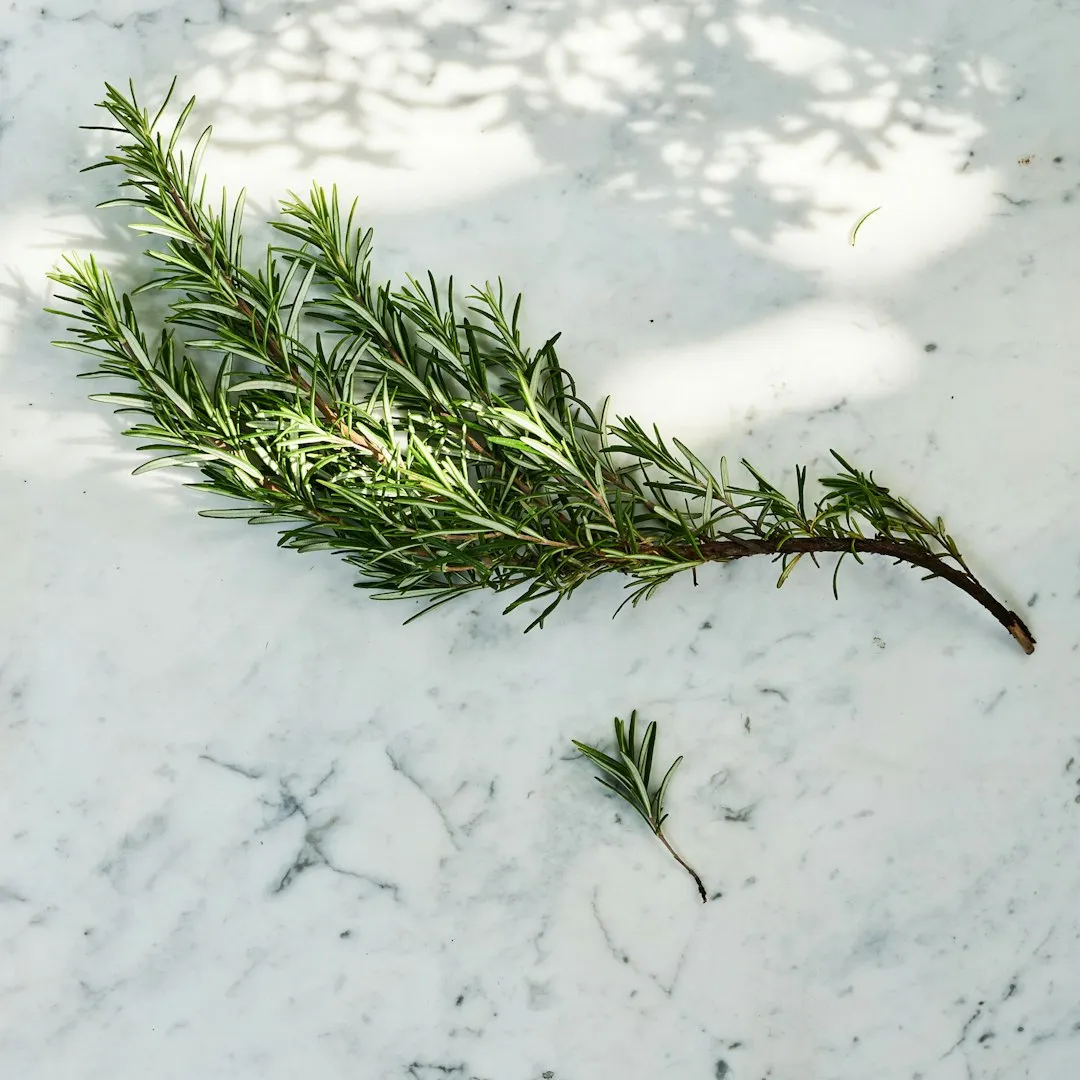
From the Middle Ages through the eighteenth century, another plant played an equally important role in the holiday lineup. Rosemary decked the halls, or more accurately the floors, of churches and dwellings at Christmas. This is a custom most people today have entirely forgotten.
These stories inspired the medieval belief that smelling rosemary on Christmas Eve would bring a year of good luck, health, and happiness. It became tradition to scatter the herb on the floor and tread upon its needle-like leaves, releasing a fresh, woody aroma.
Scattering rosemary on Christmas Eve and herb strewing at large persisted until the eighteenth century. That’s a remarkably long run for a custom that has since vanished almost completely from public memory.
Protection, Medicine, and Evil Spirits
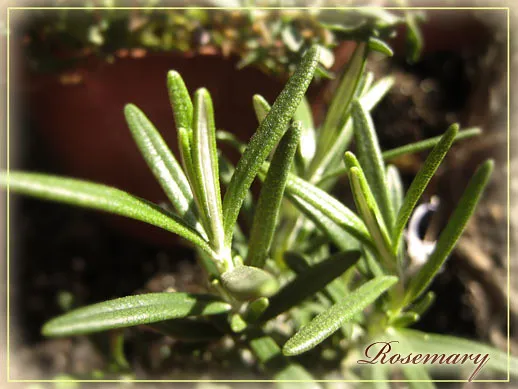
Rosemary was used to ward off evil spirits, or as a disinfectant against illnesses. In a time when disease was poorly understood, an aromatic herb with real antiseptic properties could feel like genuine protection against unseen forces.
According to medieval legends, rosemary decorating the altar at Christmas time brings special blessings to the recipients and protection against evil spirits. This gave the herb a ceremonial role inside churches, not just in homes.
It has antioxidant and anti-fungal properties and actually contains a significant source of iron, so the importance of this plant for early peoples isn’t surprising. What looked like superstition was sometimes grounded in observable effects that people trusted and passed down through generations.
Rosemary in Literature and the Language of Flowers
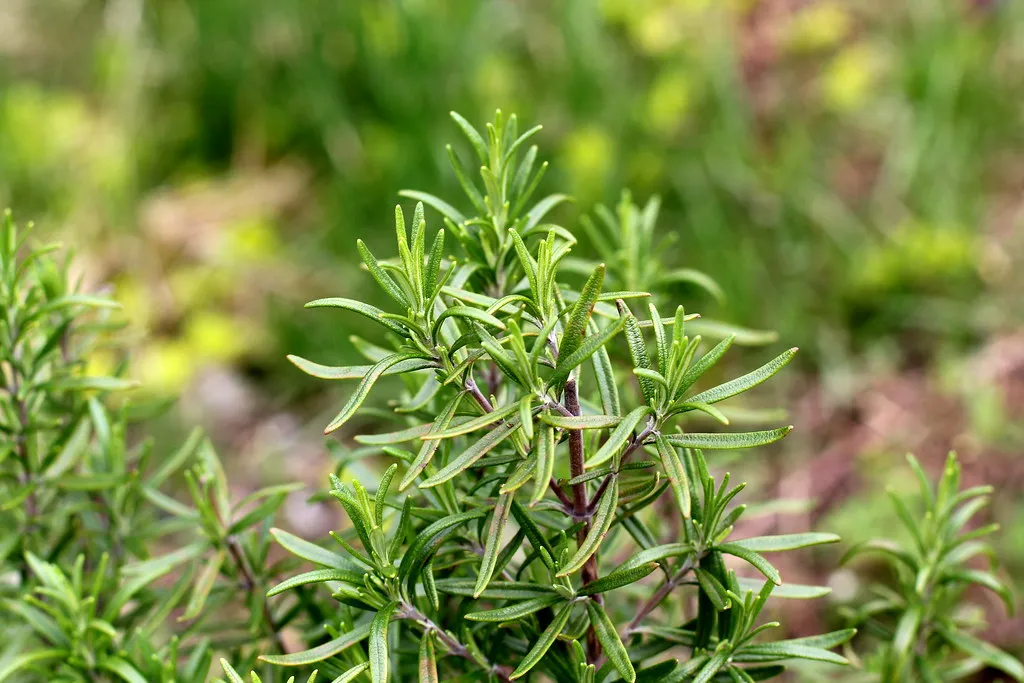
Rosemary has been immortalized in the song “Scarborough Fair,” and Shakespeare made several references to rosemary in his works, including King Lear, Romeo and Juliet, Hamlet, The Winter’s Tale, and Pericles. The herb was so deeply woven into cultural life that writers reached for it instinctively.
For Saint Thomas More, whose garden was lavishly planted with rosemary, and Shakespeare’s Ophelia, the herb symbolized remembrance. That symbolic weight, carried through literature, made rosemary familiar even to those who had never grown it themselves.
Seventeenth-century English lyric poet Robert Herrick pointed to the herb’s use as a holiday ornament in “Ceremonies for Candlemas Eve,” which celebrates the transition from Christmas to Easter through the changing of seasonal decorations. Rosemary was used at Christmas as early as the 16th century, giving it a much stronger claim on the holiday season than the current commercial favorite, the poinsettia.
The Rosemary Christmas Tree: A Modern Revival
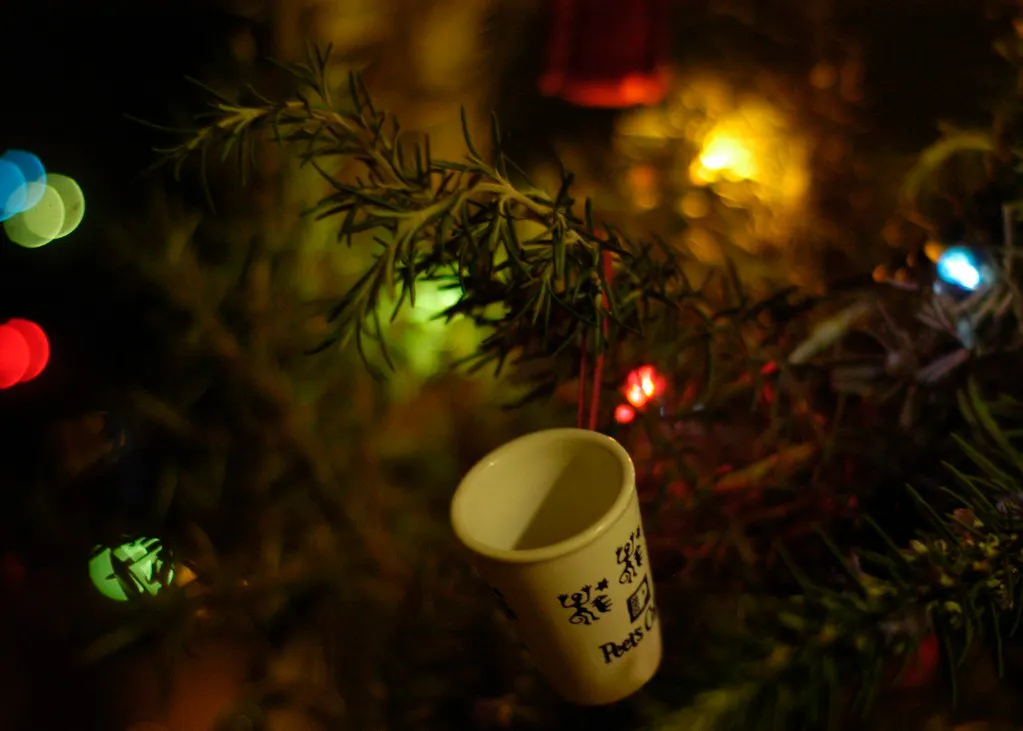
As early as the 16th century, rosemary came to be associated in Europe with Christmas trees. The idea of training the plant into a conical shape to mimic a decorated tree is both old in spirit and contemporary in execution.
Before being placed in a store for sale, an upright, single-stemmed variety of rosemary is planted into a pot three, six, or even nine months previously, grown in a greenhouse or sheltered environment where it is well-fed and well-watered to induce fast growth. As the plant produces branches, it is sheared back, probably two or three times, to form a cone.
In the 1900s, poinsettias and Christmas trees became popular, overshadowing this traditional favorite. The rosemary tree is now making a quiet comeback, sold widely in garden centers and supermarkets as a fragrant and living alternative to purely decorative holiday plants.
The Takeaway

Rosemary didn’t become a Christmas plant through a single decision or marketing campaign. It earned that association over millennia, through legends tied to Mary and the Christ Child, through medieval customs of scattering it on church floors, through its natural bloom time coinciding with winter, and through a cultural belief in its power to protect, heal, and help people remember what matters.
With its long religious tradition and as a symbol of fidelity and remembrance, rosemary is the perfect plant with which to express the significance of the winter holiday season. In many ways, rosemary’s story is the Christmas story in miniature: something humble, fragrant, and persistent, quietly outlasting the trends that tried to replace it.
AI Disclaimer: This article was created with the assistance of AI tools and reviewed by a human editor.