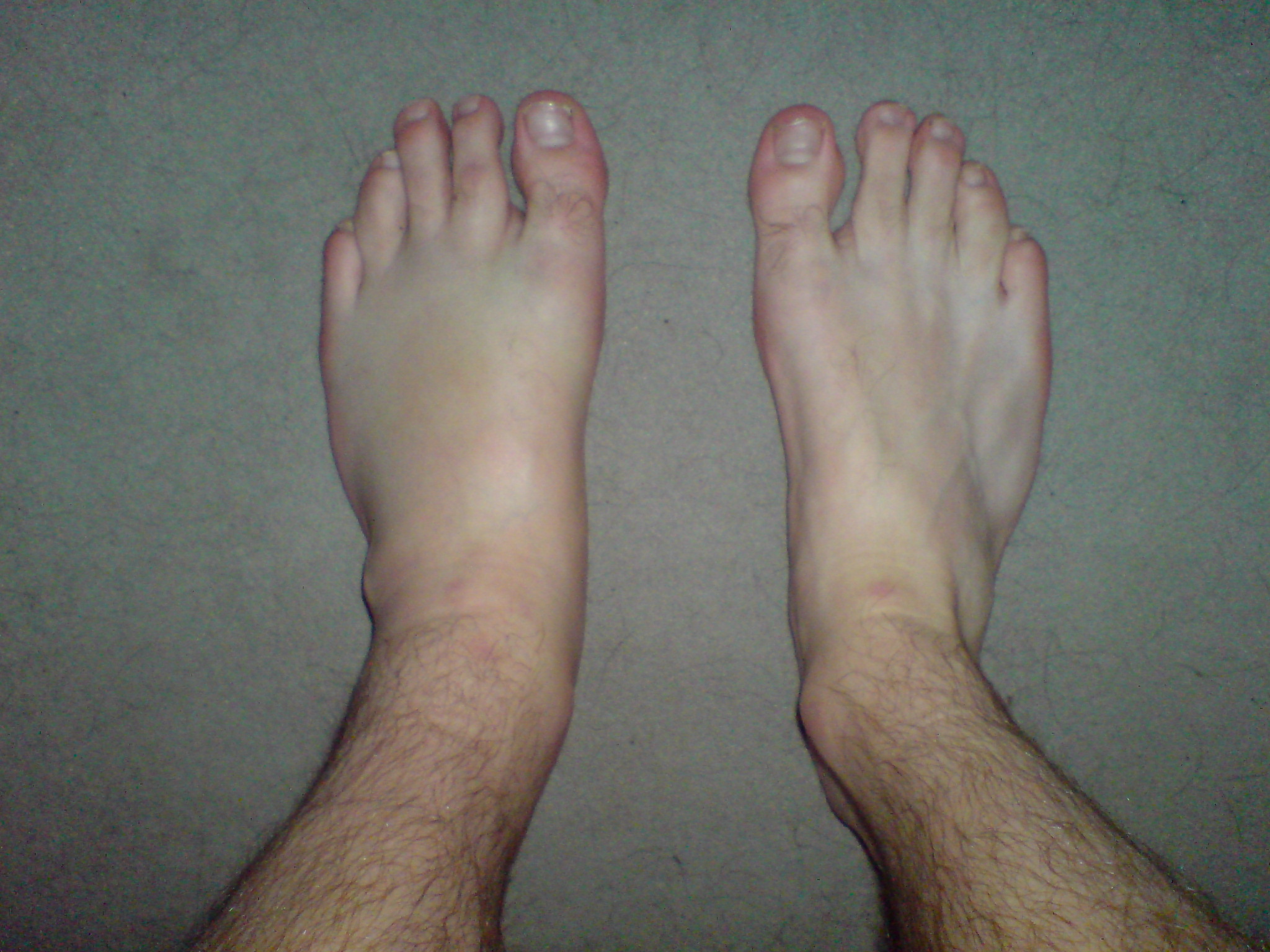

Waking up at 2 a.m. with a throbbing foot that feels like it’s been run over is disorienting enough without also having to guess what caused it. Most people’s first instinct is a sprain. Maybe they bumped something in the dark. Maybe they twisted it getting out of bed. The truth is, they may never have touched anything at all.
Gout is now considered the most common form of inflammatory arthritis in the United States, affecting over 12 million adults. It’s characterized by the deposition of monosodium urate crystals in and around joints, tendons, and surrounding tissues, resulting in painful, recurring flares. Despite how widespread it is, gout still gets misread constantly, especially in the toe and foot area where a sprain seems like the obvious, simpler explanation. These are the seven signs that give it away, if you know what you’re looking for.
1. The Pain Arrived Overnight With No Injury

Gout often strikes with no injury at all, though a minor bump can sometimes set off a flare. That is one of the most reliable separating factors between a sprain and a gout attack. With a sprain, there’s almost always a moment, a twist, a stumble, something you can point to.
An ankle sprain causes swelling and tenderness around the ankle joint after a physical event like a twist or fall, while gout requires no injury to trigger it. If you woke up with serious foot or toe pain and genuinely cannot recall any incident the day before, that history matters clinically. Sudden ankle or toe pain without a twist supports considering gout, but does not confirm it on its own.
2. The Pain Peaks Within Hours, Not Days
A gout flare doesn’t ease in gradually. The pain arrives fast, often peaking within 6 to 12 hours of the attack starting. That’s a strikingly different timeline compared to the dull, progressive ache of most soft-tissue injuries. With a sprain, the worst of it usually sets in over a day or two, not within a single morning.
Pain in gout typically escalates quickly, often peaking within 24 hours, and the skin over the joint may feel tight or appear glossy. People who experience a first gout flare often describe it as going from zero to unbearable in what feels like minutes. That aggressive intensity is a hallmark worth noting.
3. The Joint Feels Hot, Not Just Sore
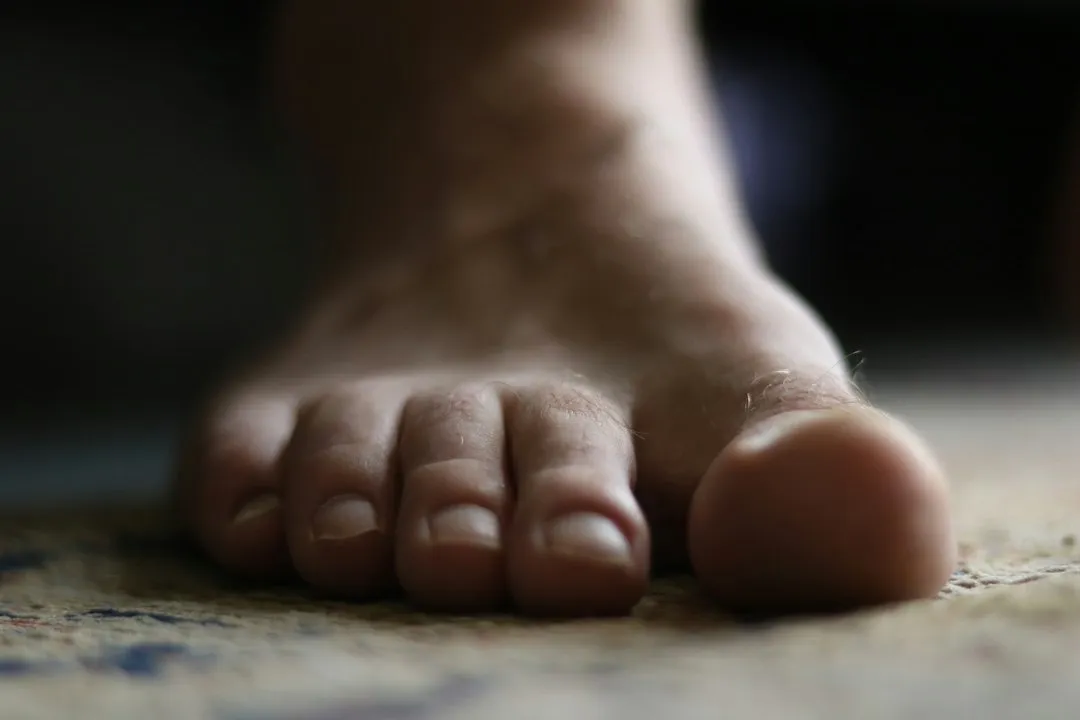
The affected joint often becomes red, hot, and visibly inflamed, which is a key sign of gout rather than a sprain or strain. A typical sprained toe does swell and become tender, but the heat component, the kind where the joint radiates warmth you can feel from an inch away, is not standard. That heat comes from an active inflammatory response to the urate crystals lodged inside.
The skin over the joint turns red, feels hot to the touch, and swells visibly, sometimes within a single hour. This speed and intensity of inflammation is driven by the immune system reacting to needle-shaped crystals it treats as foreign invaders. It’s not the same biology as a ligament stretch.
4. Even a Bedsheet Touching the Toe Is Unbearable

Most people describe it the same way: pain that arrives suddenly, often in the middle of the night, in one joint, usually the big toe, and builds within hours to a level where the weight of a bedsheet is unbearable. This kind of extreme sensitivity to light touch, what clinicians call allodynia, is a recognized feature of acute gout. It goes well beyond the tenderness of a bruised or sprained toe.
Attacks classically begin abruptly between midnight and early morning, waking the patient from sound sleep. The pain reaches peak intensity within 12 to 24 hours, often making even the weight of a light bedsheet unbearable. If that description sounds familiar, it’s worth taking seriously rather than assuming a minor injury during the night.
5. The Skin Looks Shiny, Red, or Discolored
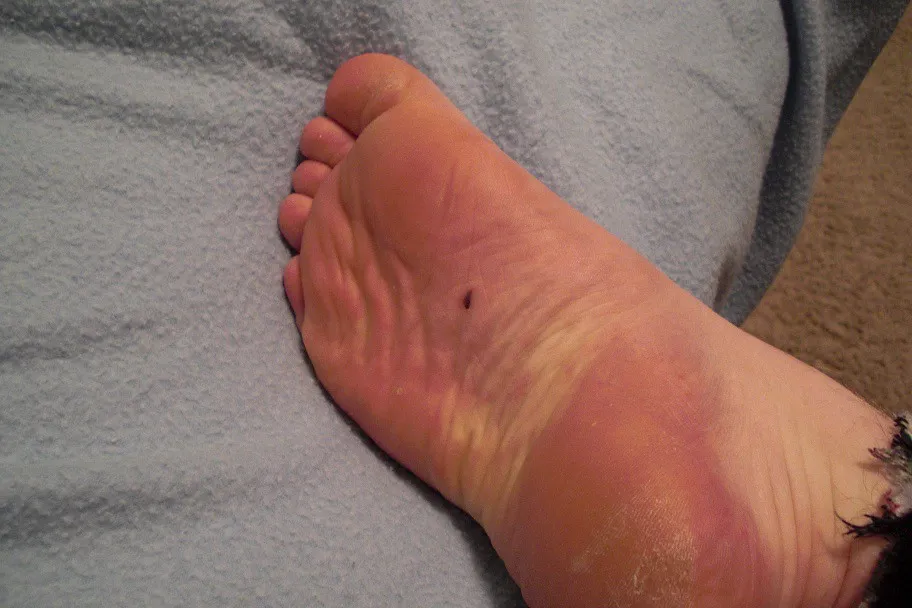
Gout can result in bright red skin around the affected area. This is one of the clearest, most diagnosable symptoms of gout. The skin may also look stretched, shiny, or almost glazed over the swollen joint. A sprained toe typically shows bruising or mild puffiness, but rarely this degree of surface-level skin change.
Early-stage gout symptoms include sharp, throbbing pain in the joint, usually at night or early morning, along with swelling, redness, noticeable warmth, and shiny or stretched skin from swelling and redness. The shiny, taut skin appearance is caused by severe fluid buildup and inflammation pressing outward from within the joint. It’s distinctive once you’ve seen it.
6. No Bruising, Despite the Severe Pain

One of the more counterintuitive signs is what gout does not produce. A meaningful sprain almost always results in some bruising as blood leaks from damaged capillaries into surrounding tissue. Gout, being driven entirely by an internal inflammatory process rather than physical trauma, typically produces no bruising at all.
A sprained ankle or toe will usually display signs of swelling and bruising for one to two weeks, although more serious cases may take several months to heal fully. If your foot is swollen, red, and exquisitely painful but shows no bruising whatsoever, that combination is inconsistent with a standard sprain. Swelling alone cannot distinguish gout from a sprain, but the absence of bruising alongside intense heat and redness is a meaningful differentiating detail.
7. It Happened in the Middle of the Night, Not During Activity

The majority of gout flares begin at night or in the early morning, often waking the patient from sound sleep. There are two physiological reasons for this. First, joint temperatures drop slightly during sleep, which makes uric acid crystals more likely to precipitate out of solution and trigger an acute immune response. Second, we go six to eight hours without drinking water during sleep, and mild overnight dehydration causes blood to become more concentrated, making it easier for uric acid crystals to form in the joints.
Sprains, by contrast, happen during activity. They happen when you’re moving, not when you’re completely still at 3 a.m. The timing of when the pain started is one of the first questions a doctor will ask, and for good reason. It’s one of the most telling details available without any testing at all.
Who Is Most at Risk, and Why It Often Gets Missed

Gout has a male predominance. The estimated prevalence of gout is roughly 5.9% in men and 2% in women. This difference is largely a consequence of age at onset, as estrogenic hormones have a mild uricosuric effect, and gout is therefore unusual in premenopausal women. The mean age of first attack in men is around 55, and in women, around 65, according to epidemiological data.
In the last three decades in the United States, there has been a substantial increase in gout incidence and prevalence. The increase has been most marked in older individuals and highest above the age of 75. Despite these numbers, the number of gout flares experienced are underreported to healthcare providers, leading to an underestimation of the burden of gout. Many people simply treat the pain at home, assume it was a sprain, and move on until the next attack.
How Gout Is Actually Confirmed
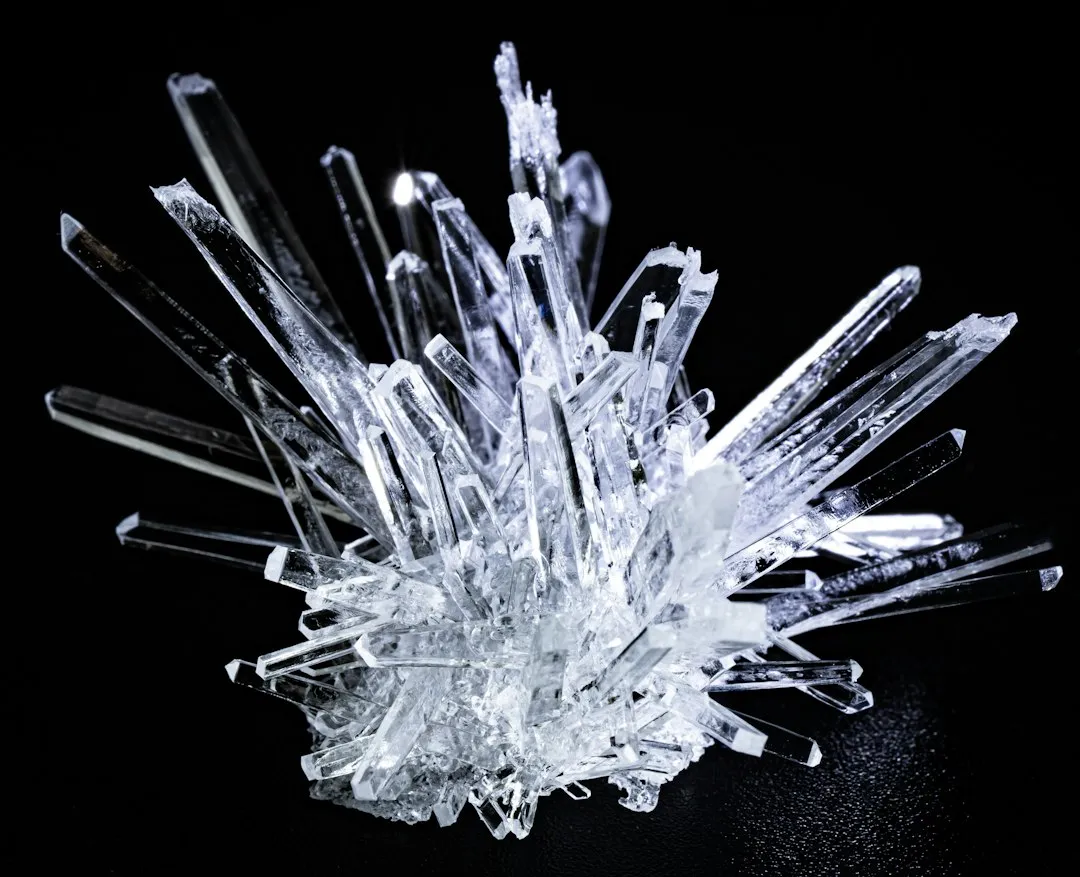
Synovial fluid analysis can confirm the diagnosis by identifying needle-shaped, strongly negatively birefringent urate crystals that are free in the fluid or engulfed by phagocytes. This is the clinical gold standard, though it’s not always necessary for a diagnosis when the presentation is classic. Blood tests to measure uric acid levels are also commonly used, though with one important caveat.
High uric acid levels can increase the risk of gout, though not everyone with high levels will develop symptoms. Some people who do not have gout can also have increased uric acid levels. Blood tests help rule out other causes of joint pain, but it is important to note that uric acid levels can be normal during an acute attack. So a normal blood test during a flare doesn’t rule gout out. That’s another reason it gets missed.
What to Do if You Recognize These Signs

Because the signs of gout look so much like other joint issues, a doctor must take a close look to find the real cause. Trying to manage what turns out to be gout the same way you’d manage a sprain, with rest, ice, and time, will offer partial short-term relief but won’t address the underlying uric acid problem. Without treatment, flares tend to become more frequent and affect more joints over time.
Because gout symptoms often resemble those of sprains or arthritis, gout in the foot and ankle is frequently misdiagnosed or overlooked. If you notice sudden, intense joint pain, especially at night, with no injury history, significant heat, redness, and extreme sensitivity to touch, don’t wait for it to pass on its own. Getting the right diagnosis early makes a real difference in preventing long-term joint damage.
The Takeaway
Gout and a sprained toe share enough surface-level symptoms to cause genuine confusion, especially the first time it happens. The overlapping signs of swelling, pain, and limited movement are real. What separates them, though, is a cluster of specific details: the timing, the heat, the absence of injury, the speed of onset, and that specific sensitivity to even the lightest touch.
Knowing these distinctions doesn’t replace a proper medical evaluation, but it can be what prompts someone to seek one rather than waiting a week for a “sprain” that never heals. Gout is the most prevalent inflammatory arthritis in North America, and epidemiological modeling through 2050 projects that high-income North America will sustain the highest age-standardized prevalence of gout globally. It’s not going away. Getting familiar with how it actually presents is a reasonable, practical thing to do.
AI Disclaimer: This article was created with the assistance of AI tools and reviewed by a human editor.