

Most people have reached for an antacid after a heavy meal and thought nothing more of it. That familiar burning feeling in the chest is so common it barely registers as a cause for concern. Yet that exact sensation can, in some cases, be the body signaling something far more serious than a digestive complaint.
The overlap between heartburn and heart trouble is one of medicine’s genuinely tricky problems. It trips up patients and, occasionally, even clinicians. Understanding where the two conditions differ, and where they dangerously blur together, could make a meaningful difference when it matters most.
How Common Heartburn Really Is

Around 60 million Americans experience heartburn at least once a month, and up to 15 million have symptoms every single day, according to the National Institutes of Health. Those numbers make it one of the most prevalent digestive complaints in the country. Globally, gastroesophageal reflux disease, the clinical condition behind chronic heartburn, affects an estimated 442 million people worldwide.
Heartburn happens when stomach acid flows back into the esophagus, causing a burning sensation in the chest, and it’s often triggered by certain foods, stress, or lying down too soon after eating. For most people it stays exactly that: a nuisance with a straightforward remedy. The problem begins when the assumption of “just heartburn” becomes automatic.
Why the Two Feel So Similar

The esophagus and the heart share pain-sensing nerves, and reflux pain can feel like pressure or squeezing, not only burning. This shared nerve pathway is the core reason why distinguishing the two can be genuinely difficult, even for someone who knows their own body well. Signs of a heart attack aren’t always obvious and can sometimes resemble heartburn symptoms. Some people who have a heart attack never experience the crushing chest pain commonly portrayed on television, and less typical symptoms can include nausea, fatigue, and back pain.
Symptoms of a heart attack may widely vary, from the classic “elephant on the chest” feeling of crushing pain, to the nausea and heartburn mistaken for indigestion. That range is exactly what makes this so easy to get wrong.
The Key Physical Differences to Know

Both heartburn and a heart attack can cause intense feelings in the chest. One significant difference is that a heart attack usually feels like pressure, tightness, or squeezing rather than pain. That feeling may radiate toward the left shoulder, arm, and neck. Heartburn tends to feel more like a burning sensation and may travel toward the throat.
Heartburn generally does not cause sweating, dizziness, or fatigue, and it can be worse when lying down or after eating. Heart attacks, by contrast, do not cause bloating or belching. These distinctions are real, but they are not perfectly reliable. The safest habit is to treat any new or unusual chest discomfort as potentially serious until proven otherwise.
When Heartburn Is Actually a Heart Attack Symptom
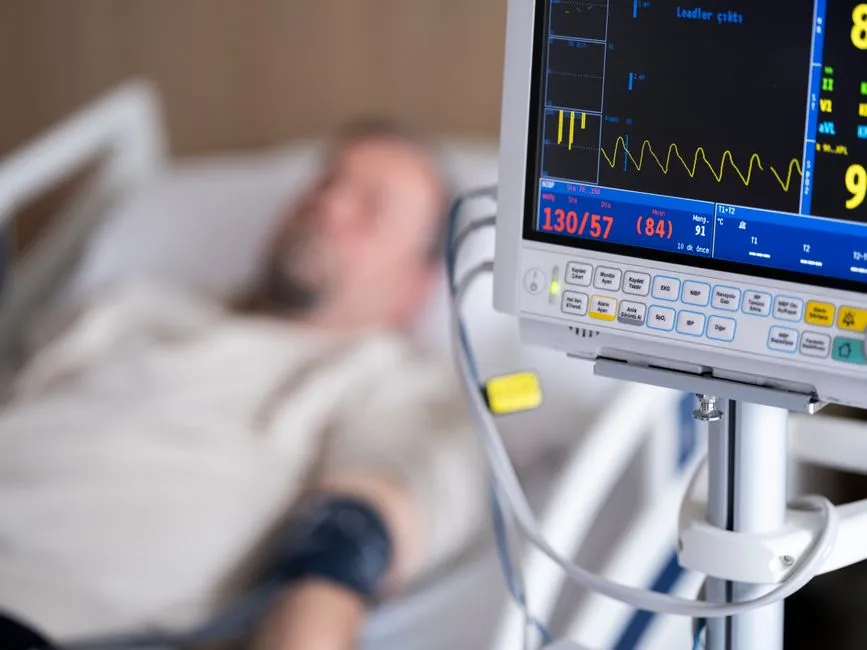
In some cases, heartburn can even be a symptom of a heart attack rather than a separate problem. This is one of the more unsettling facts in this area of medicine. Common heart attack symptoms can include indigestion or heartburn alongside chest pain. So the sensation patients most often dismiss may, at times, be originating from the heart itself.
Per CDC heart attack guidance, that pain usually lasts more than a few minutes or goes away and returns. Duration and pattern matter enormously here. A burning discomfort that eases and then cycles back is a signal that deserves medical attention rather than another antacid.
The Gender Gap in Symptom Recognition

Women may experience heart attack symptoms differently than men. About 40 percent of women who have had a heart attack reported symptoms similar to heartburn just before the event. That is a substantial proportion, and it points to a real gap in how cardiac events are recognized in women.
Chest pain or discomfort is the most common heart attack symptom for women, as it is for men. Women are somewhat more likely to also have shortness of breath, nausea or vomiting, or back or jaw pain, and these symptoms can be mistaken for reflux. Heart attack symptoms in women may be mistaken for other conditions such as the flu, acid reflux, or simply a product of aging.
The Research Linking GERD and Heart Risk
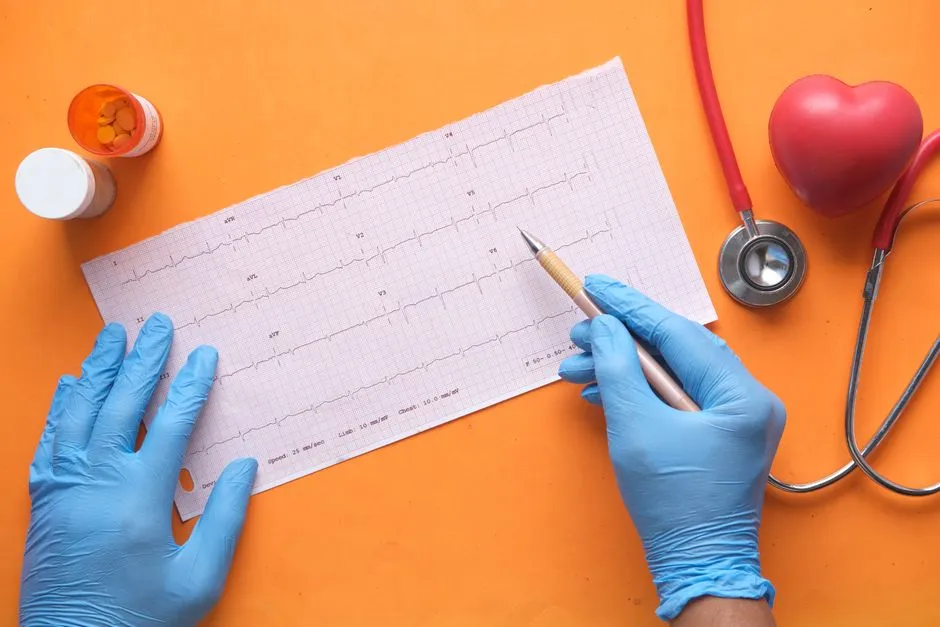
GERD is a well-documented independent risk factor for many gastrointestinal conditions; however, its role in cardiovascular disease is less clearly understood, despite its high prevalence in patients with CVD. Although traditionally considered a cause of noncardiac chest pain, a number of studies have implicated GERD and its therapies as risk factors for cardiovascular disease.
A 2025 systematic review and meta-analysis found that patients with pre-existing GERD had a modestly increased risk of developing acute myocardial infarction compared to those without GERD. Patients with GERD were also found to have a greater probability of developing coronary artery disease. These findings don’t suggest that heartburn causes heart attacks, but they do indicate the two conditions may share underlying mechanisms worth monitoring.
The Antacid Test That Isn’t Reliable

If a feeling is quickly improved with antacids, that might indicate that heartburn is to blame. This seems logical, and many people rely on it. The problem is that it creates a false sense of certainty. Feeling better after an antacid doesn’t rule out a heart attack, because heart attack symptoms can ease and then return.
A heart attack can feel like indigestion, and neither meal timing nor an antacid can rule one out. Treating temporary relief as a diagnosis is a common and potentially dangerous mistake. The antacid test tells you something, but it doesn’t tell you everything.
Red Flags That Demand a 911 Call

If you experience uncomfortable pressure, squeezing, fullness or pain in the center of your chest that lasts more than a few minutes or goes away and comes back, pain or discomfort in one or both arms, the back, neck, jaw or stomach, shortness of breath, or other signs such as breaking out in a cold sweat, nausea, or lightheadedness, call 911 and get to a hospital right away.
The rule is simple: chest pain or pressure with shortness of breath, a cold sweat, or pain spreading to the arm, back, neck, or jaw means calling 911, not taking another antacid. The National Heart, Lung, and Blood Institute advises calling 911 even if you’re not sure it’s a heart attack. Err on the side of the call.
The Dangerous Habit of Waiting
The average person waits three hours before seeking help for symptoms of a heart attack. That delay is medically significant. Heart muscle begins sustaining damage within minutes of a blocked blood supply, and the longer treatment is postponed, the worse the outcome tends to be.
Roughly 90 percent of people having a heart attack experience chest pain. A heart attack is a sudden restriction of blood flow through the heart’s arteries, and within minutes, oxygen-deprived heart muscle can sustain significant damage or die. The time most people spend reasoning through whether it’s “just heartburn” is exactly the time they should be on the phone with emergency services.
What Emergency Doctors Do First
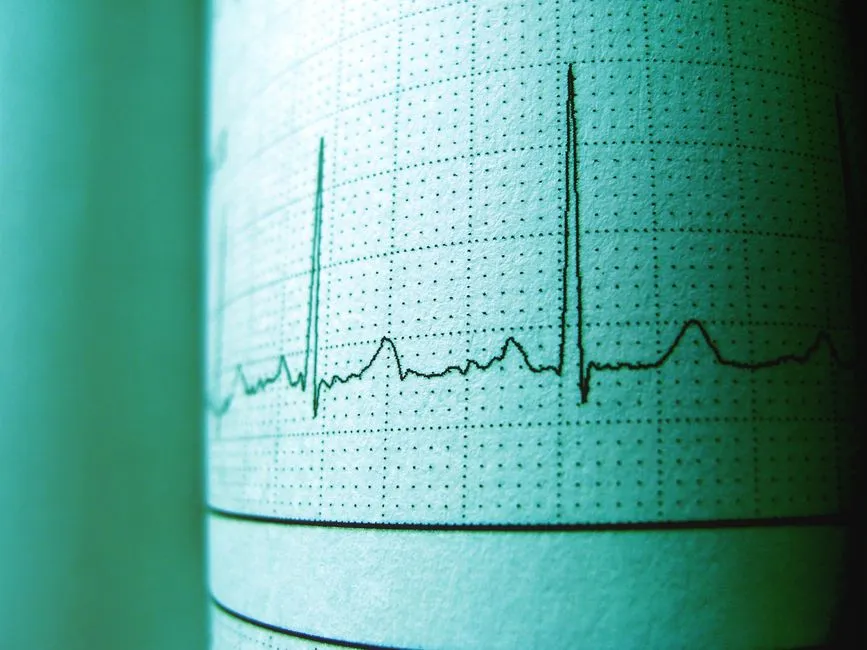
Because the two conditions can feel so alike, emergency doctors check the heart first. This tells you something important about the clinical priority: rule out the life-threatening possibility before anything else. An EKG and blood tests for cardiac enzymes can confirm or rule out a heart attack within a relatively short window.
Even if you’re unsure whether it’s heartburn or a heart attack, you should seek immediate medical attention. This isn’t overcaution. It’s the right clinical logic, and it’s the same logic ER physicians apply every time a patient comes in with chest discomfort after dinner.
The Takeaway

Heartburn is ordinary. It’s inconvenient, it’s uncomfortable, and for most people, most of the time, it really is nothing more than acid in the wrong place. The trouble is that the chest doesn’t always make clear which situation you’re in. The sensation that feels like too much pizza might, on rare but real occasions, be the opening act of a cardiac event.
The practical lesson is narrow but important: know the differences, don’t rely on the antacid test alone, and when any of the red flag symptoms appear alongside chest discomfort, call for help first and analyze later. That three-hour wait the average person takes is worth compressing as much as possible. The heart doesn’t pause while you decide.
AI Disclaimer: This article was created with the assistance of AI tools and reviewed by a human editor.